Puppy Vaccination Timeline & Tips
Meta description: Learn the ideal puppy vaccination schedule, core vs optional shots, timelines, and tips for your pup’s first year.
Vaccinating your puppy on schedule is one of the most important steps to ensure long-term health. In this comprehensive guide, we break down the recommended vaccination timeline, core vs optional (non-core) vaccines, booster strategies, side effects, and answers to common questions. We also include helpful tables and resources to guide every pet parent.
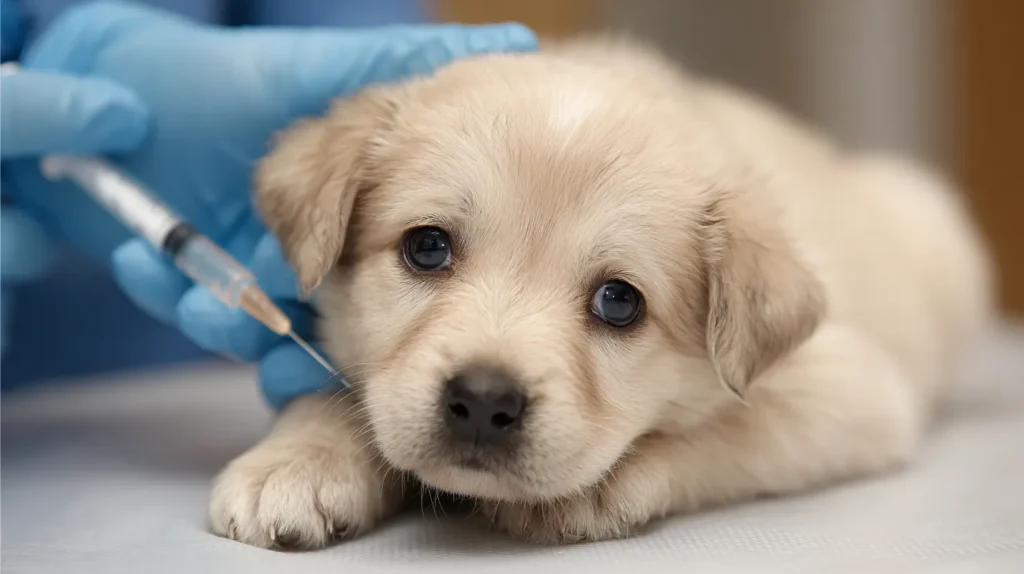
Why Do Puppies Need Vaccines?
Puppies are born with immature immune systems and often receive maternal antibodies via colostrum. But those maternal antibodies fade over time, leaving them vulnerable to infectious diseases. Proper vaccination trains their immune system to build protection safely.
Vaccines reduce the risk of deadly illnesses like distemper, parvovirus, hepatitis, and rabies. They’re a cornerstone of preventive veterinary care. According to the WSAVA, core vaccines should be started at 6-8 weeks and repeated until at least 16 weeks of age. :contentReference[oaicite:0]{index=0}
Core vs Non-Core Vaccines
Not all vaccines are recommended for every puppy. Understanding the difference helps you decide which shots your puppy really needs.
Core Vaccines
- Distemper
- Canine parvovirus (CPV)
- Canine adenovirus / infectious hepatitis
- Parainfluenza
- Rabies (often legally required)
Non-Core (Optional) Vaccines
- Bordetella (kennel cough) – for dogs in group settings
- Leptospirosis – in areas where it’s endemic
- Lyme disease – in tick-prone regions
- Canine influenza – for high-contact environments
Typical Puppy Vaccination Schedule (0–12 Months)
The following table outlines a widely accepted vaccination timeline. Always confirm with your vet, as recommendations vary by region, breed, and health status.
| Age | Core Vaccines | Non-Core / Optional | Notes |
|---|---|---|---|
| 6–8 weeks | First dose of DHPP (Distemper / Hepatitis / Parvovirus / Parainfluenza) | None or Bordetella (if recommended) | Start earliest safe point. Maternal antibody interference is possible. |
| 10–12 weeks | Second DHPP booster | Bordetella, Leptospirosis (if risk area) | May vary depending on local disease risk |
| 14–16 weeks | Third DHPP + Rabies (if required) booster | Leptospirosis, Lyme, influenza (if applicable) | Ensure final core dosing at ≥16 weeks where feasible. :contentReference[oaicite:1]{index=1} |
| 6–12 months | DHPP / Rabies (1-year booster) | Boosters for non-core as needed | Check veterinarian schedule; rabies often required by law. :contentReference[oaicite:2]{index=2} |
| Every 1–3 years (adulthood) | DHPP (often every 3 years) / Rabies per local rules | Non-core annually or per risk | Core immunity may last multiple years. :contentReference[oaicite:3]{index=3} |
Key Considerations & Best Practices
Maternal Antibody Interference
Maternal antibodies can block vaccine response, especially in early weeks. That’s why multiple boosters are needed. The WSAVA recommends repeating core doses every 2–4 weeks until 16 weeks or older. :contentReference[oaicite:4]{index=4}
Timing of Rabies Shot
Rabies vaccination timing is sometimes regulated by law. Many veterinarians delay rabies until ≥ 12 weeks of age, but local regulations may require a different schedule.
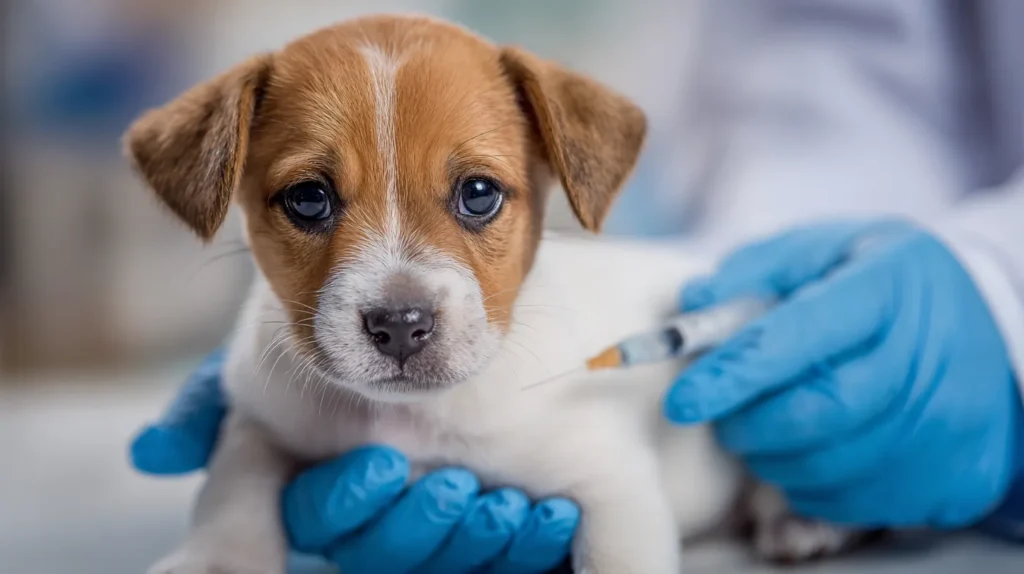
Tailor Based on Risk & Lifestyle
A dog that attends doggy daycare or travels may need non-core vaccines like Bordetella, Lyme, or influenza. Your vet should assess disease risk in your region. :contentReference[oaicite:6]{index=6}
Adverse Reactions & Monitoring
- Mild side effects: soreness, mild fever, lethargy (lasts < 1 day)
- Serious reactions are rare but possible; seek vet care if symptoms worsen
- Always monitor for signs of allergic reaction (swelling, difficulty breathing)
Tips for Pet Parents
- Keep a vaccine record and set reminders for boosters.
- Avoid high-risk places (dog parks, kennels) until vaccines are complete.
- Space out vaccines; avoid giving multiple in one visit unless advised.
- Discuss titer testing with your vet for adult dogs instead of routine revaccination.
- Maintain good nutrition and stress-free environment to support immune response.
Common Questions & FAQs
Can I skip non-core vaccines?
Yes—non-core vaccines are optional and should be based on your dog’s lifestyle and local disease prevalence. Discuss with your vet before opting out.
When can socialization begin?
Socialization is critical early on. Begin limited, controlled social exposure after the first vaccine(s), avoiding high-risk areas. You can reference our Kitten Growth Stages Guide for a model of developmental timing (though for kittens). Also see spay/neuter timing guide. Use discretion and vet advice during the vulnerable schedule.
Do adult dogs need annual vaccines?
Not always. Many core vaccines now last 3 years or more. Your vet may recommend titers or booster only when needed. :contentReference[oaicite:7]{index=7}
What if I missed a dose?
If a vaccination is delayed, contact your vet. Usually you resume the schedule rather than restarting entirely, depending on how far behind you are.
Integrating with Furxie Resources
To support your pet care journey, here are a few useful guides on furxie.com you might want to link or reference:
- Kitten Growth Stages Guide (for developmental parallels)
- When Should You Spay or Neuter Your Kitten?
- How to Socialize a Kitten
- Common Kitten Health Problems
- Best Kitten Food & Nutrition Guide
- Why Is My Kitten Sleeping So Much?
- New Kitten Essentials Checklist
- How to Litter Train a Kitten Fast
- Ultimate Kitten Care Guide
- Stop Puppy Biting Fast
- Best Puppy Food for Growth and Healthy Development
- 10 Common Puppy Mistakes Every New Dog Owner Should Avoid
Conclusion
Following a well-structured vaccination schedule gives your puppy the best protection against serious diseases. Combine that with good nutrition, preventive care, and regular veterinary visits, and you’ll set your pup up for a strong, healthy life.
Disclaimer: This content is for informational purposes only. Always consult a qualified veterinarian for medical advice specific to your pet.