Understanding Your Puppy’s Sleep Schedule and Needs
Meta Description: Discover how much sleep puppies need by age, how to create the perfect puppy sleep schedule, and proven tips for better rest and healthy growth.
Just like human babies, puppies require plenty of sleep to grow healthy, happy, and well-behaved. Yet, many new dog owners are unsure how much sleep their puppies actually need or how to establish a proper sleep routine. Understanding your puppy’s sleep requirements is crucial for their mental development, physical health, and behavior training. In this guide, we’ll explore how much sleep puppies need by age, how to create a healthy sleep schedule, and how to manage nighttime routines effectively.
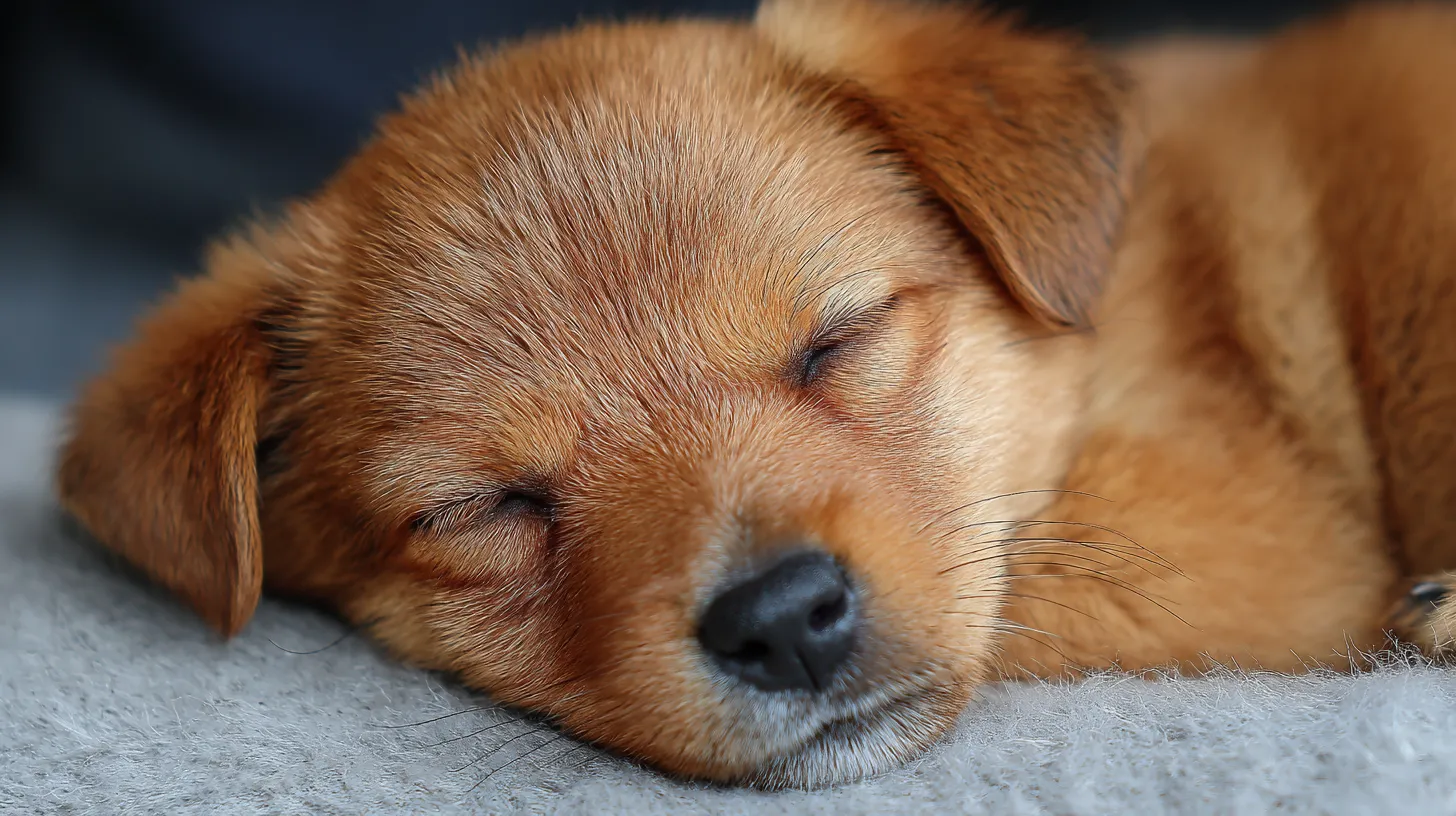
Why Sleep Is So Important for Puppies
Sleep plays a vital role in your puppy’s growth and emotional development. During rest, their bodies release growth hormones, strengthen the immune system, and process daily learning experiences. Lack of sleep can cause irritability, disobedience, and slower cognitive development.
According to veterinarians, sleep also helps regulate metabolism and supports bone and muscle growth. If your puppy seems hyperactive or easily distracted, it might be a sign of sleep deprivation — not just bad behavior.
How Much Sleep Does a Puppy Need?
Puppies sleep more than adult dogs, especially in their early weeks. The exact amount of sleep varies based on age, breed, and daily activity levels. Below is a general guideline:
| Puppy Age | Average Sleep Duration |
|---|---|
| 0–8 weeks | 20–22 hours per day |
| 8–12 weeks | 18–20 hours per day |
| 3–6 months | 16–18 hours per day |
| 6–12 months | 14–16 hours per day |
Just like kittens during early growth stages, puppies require uninterrupted sleep to build neurological connections. For comparison, see Why Is My Kitten Sleeping So Much? to understand how similar rest patterns work across young animals.
Daytime Nap Schedule
Puppies don’t sleep continuously like adults. They nap frequently throughout the day. Most puppies take short naps every 2–3 hours, often after meals, play sessions, or potty breaks.
- Keep nap areas quiet and comfortable.
- Don’t wake your puppy during naps — it interrupts essential sleep cycles.
- Encourage naps in a consistent location (crate or bed).
Nighttime Sleep Schedule
While adult dogs can sleep through the night, puppies may need one or two bathroom breaks. As they mature, they’ll begin sleeping longer stretches at night.
- Establish a fixed bedtime and morning routine.
- Limit food and water intake one hour before bed.
- Take your puppy for a short potty break before bedtime.
Sample Puppy Night Routine
| Time | Activity |
|---|---|
| 8:30 PM | Last meal |
| 9:00 PM | Play or light walk |
| 9:30 PM | Bathroom break |
| 10:00 PM | Bedtime in crate or bed |
| 2:00–3:00 AM | Optional potty break (for young puppies) |
Creating the Perfect Puppy Sleep Environment
Where and how your puppy sleeps has a huge impact on their comfort and behavior. A safe, cozy, and quiet sleeping area helps reduce anxiety and supports better rest.
- Use a soft bed or crate with proper ventilation.
- Keep the space dim and quiet, away from household noise.
- Provide a blanket or toy with your scent for comfort.
- Maintain room temperature between 68–75°F (20–24°C).
Learn about crate comfort techniques similar to those used in How to Potty Train Your Puppy Fast, where the crate becomes a safe space for both rest and training.
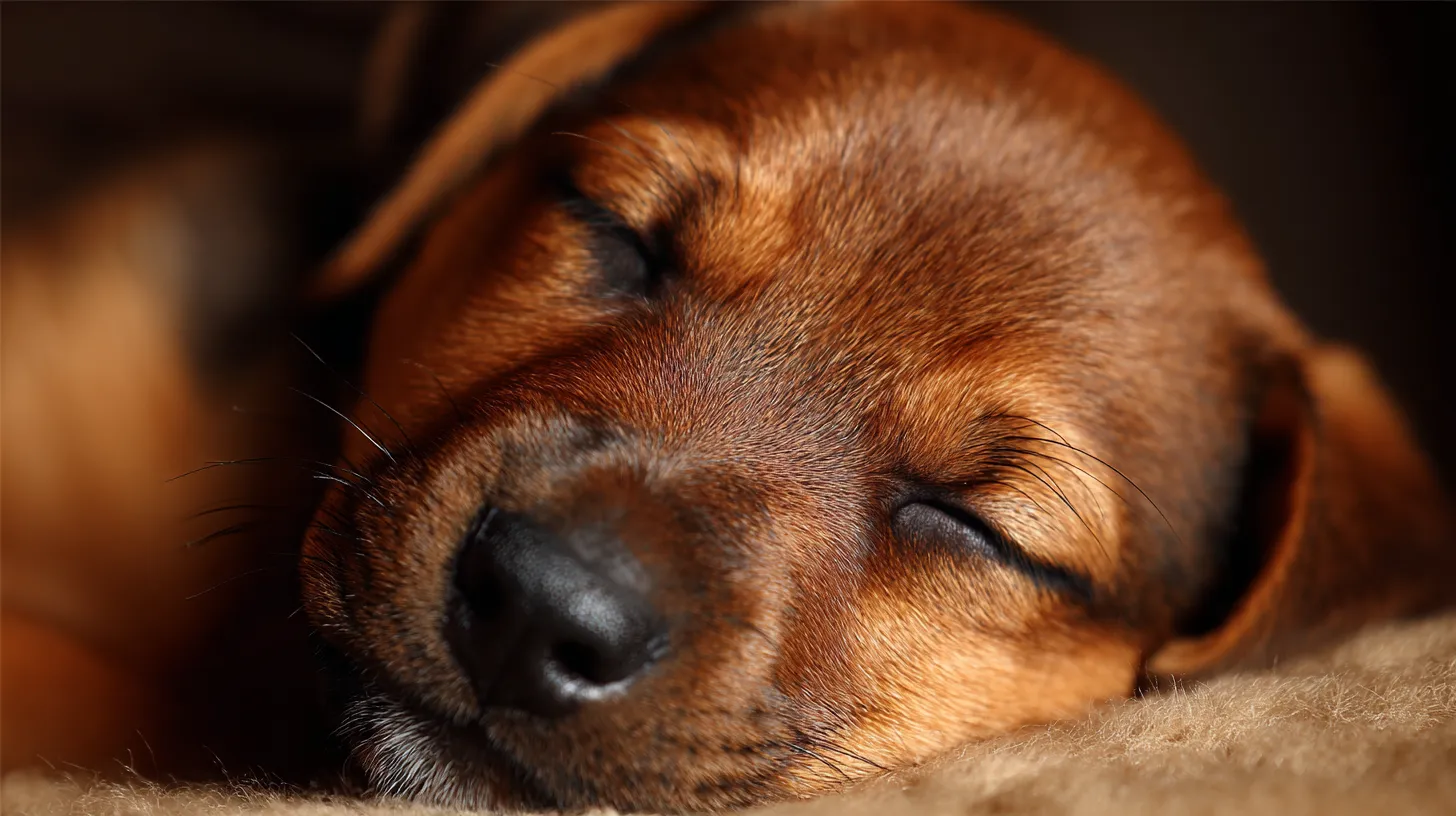
Signs Your Puppy Isn’t Getting Enough Sleep
Lack of proper sleep can cause behavioral issues and even health problems. Watch for these signs of fatigue:
- Frequent whining or restlessness
- Chewing or biting out of frustration
- Difficulty focusing during training
- Decreased appetite or energy
If your puppy displays persistent tiredness or irritability, consult a veterinarian to rule out health concerns. Read Common Kitten Health Problems for general insights that can apply to young pets of all species.
How to Help Your Puppy Sleep Through the Night
Establishing a bedtime routine is key. Puppies love predictability, and structure helps them relax. Here’s how to help your puppy stay asleep longer:
- Provide adequate playtime during the day to burn off energy.
- Stick to a consistent bedtime every night.
- Keep nighttime interactions calm and quiet.
- Reward your puppy in the morning after a quiet night.
Pro Tip:
Don’t punish your puppy for nighttime accidents. Instead, adjust feeding times and take them for a bathroom break before bed. For training guidance, refer to Stop Puppy Biting Fast and 10 Common Puppy Mistakes Every New Dog Owner Should Avoid.
Adjusting Sleep as Your Puppy Grows
As your puppy matures, their sleep requirements gradually decrease. By 6 months, most dogs can sleep through the night and take fewer naps. However, small breeds and very active dogs may still need extra rest.
For nutritional and energy balance, read the Best Puppy Food for Growth and Healthy Development guide. Proper diet ensures your puppy’s energy levels are balanced, supporting both playtime and rest.
Puppy Sleep and Growth Correlation
| Growth Stage | Average Sleep Hours | Key Development Focus |
|---|---|---|
| 0–2 months | 20+ hours | Brain and sensory development |
| 2–6 months | 16–18 hours | Behavioral learning and muscle growth |
| 6–12 months | 14–16 hours | Energy regulation and independence |
Common Puppy Sleep Questions
1. Should I let my puppy sleep in my bed?
It depends on your preferences and the puppy’s training. While it can strengthen bonding, it may cause dependency. It’s best to wait until they’re fully house-trained.
2. Do puppies dream?
Yes! Puppies dream during REM sleep, often twitching or moving their paws. This activity helps them process daily experiences and memories.
3. How long should crate training last at night?
Gradually extend crate time as your puppy grows. Young puppies may need bathroom breaks every 4 hours, while older ones can last 6–8 hours overnight.
Conclusion
Sleep is a cornerstone of your puppy’s development, behavior, and health. By following a consistent routine, providing a calm environment, and respecting your puppy’s natural rest patterns, you’ll ensure they grow into a happy and well-adjusted adult dog. Be patient, observant, and supportive — your furry friend’s sleep health is key to their lifelong well-being.
For more expert pet care insights, visit Furxie.com and explore related articles like How to Potty Train Your Puppy Fast and Top 15 Cute Puppy Breeds That Stay Small Forever.