Effective Puppy Socialization for Confidence and Calm Behavior
Meta Description: Learn how to socialize your puppy the right way to build confidence, reduce fear, and encourage friendly behavior around people and other pets.
Socialization is one of the most crucial aspects of raising a well-adjusted and happy dog. A properly socialized puppy is confident, calm, and friendly — not fearful or aggressive. Without early exposure to new experiences, dogs can develop anxiety and behavioral problems later in life. In this comprehensive guide, you’ll discover how to socialize your puppy step-by-step, when to start, and what common mistakes to avoid.
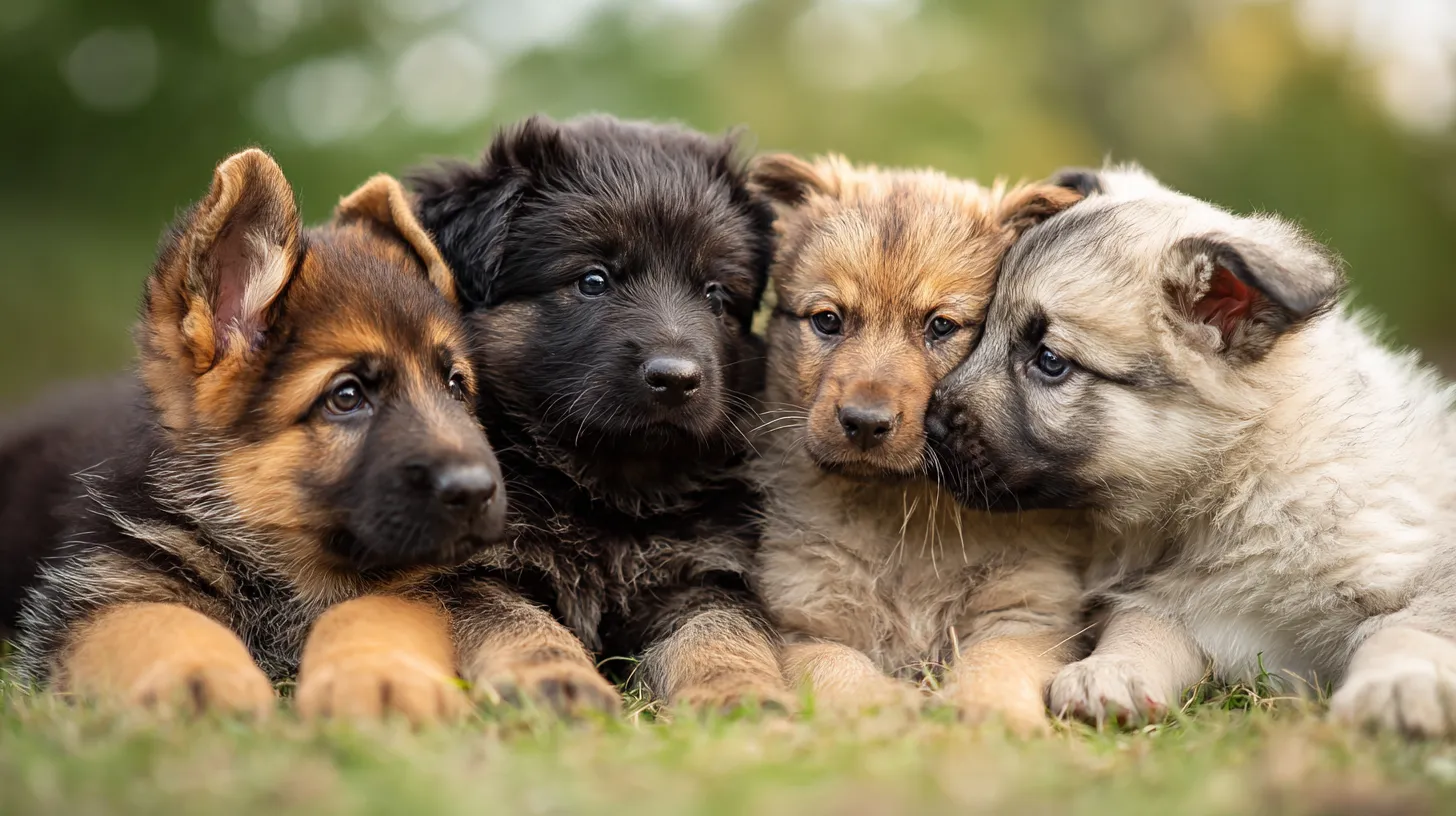
Why Puppy Socialization Matters
Just like human children, puppies learn how to interpret the world during their early months. The “socialization period” — typically between 3 to 14 weeks of age — is when your puppy is most open to new experiences. Positive exposure during this time builds trust and reduces fear of unfamiliar situations.
Failing to properly socialize your puppy can lead to behavioral problems such as excessive barking, fear of strangers, or even aggression. Socialization helps your dog understand that new environments, people, and other animals are safe and enjoyable.
When to Start Socializing Your Puppy
The best time to begin socialization is as early as possible, ideally at 8 weeks old. Puppies are naturally curious and adaptable at this age, making it easier to introduce them to different sights, sounds, and smells. However, you should always balance exploration with safety — wait until your puppy has received their initial vaccinations before exposing them to public areas. See the Puppy Vaccination Schedule Guide for timing recommendations.
How to Socialize Your Puppy: Step-by-Step Guide
1. Introduce New Environments Gradually
Start by letting your puppy explore different parts of your home. Then, slowly introduce them to new outdoor settings like parks, sidewalks, or pet-friendly stores. Allow your puppy to observe from a safe distance before engaging.
- Vary walking routes to expose them to different scents and textures.
- Introduce household sounds like vacuum cleaners or doorbells at low volume.
- Keep sessions short and positive to avoid overwhelming them.
2. Meet Different People
Expose your puppy to a variety of people — adults, children, men, and women of different appearances. Encourage gentle interactions and reward calm behavior with treats and praise.
Make sure each new encounter is pleasant. Avoid forcing contact if your puppy feels nervous. Over time, your puppy will associate people with positive experiences rather than fear.
3. Socialize with Other Dogs and Animals
Meeting other vaccinated, friendly dogs teaches your puppy proper canine communication. Avoid dog parks at first, as they can be overwhelming. Instead, organize controlled playdates with dogs of different sizes and temperaments.
If you also have cats, follow gradual introduction steps similar to How to Socialize a Kitten, ensuring safety and mutual comfort.
4. Use Positive Reinforcement
Reward your puppy every time they handle a new experience calmly. Use high-value treats, toys, or verbal praise. Never punish fear responses — instead, take a step back and reintroduce slowly. This builds confidence rather than fear-based reactions.
For related behavioral correction, visit Stop Puppy Biting Fast for gentle and effective training techniques.
5. Handle Your Puppy Regularly
Touching your puppy’s paws, ears, mouth, and tail early on helps them get used to being handled by you and the vet. This makes grooming and check-ups much easier later. Pair touching with treats and calm praise.
6. Expose Your Puppy to Sounds and Movement
Play recordings of thunderstorms, fireworks, or city noises at low volume, increasing gradually. Encourage calm reactions. You can also introduce safe car rides to familiarize them with motion and road sounds.
Sample Puppy Socialization Checklist
| Experience Type | Examples | Goal |
|---|---|---|
| People | Children, seniors, delivery people | Comfort around all ages |
| Surfaces | Grass, sand, tile, stairs | Confidence in movement |
| Sounds | Doorbells, vacuum, traffic | Reduced sensitivity to noise |
| Animals | Other dogs, cats, birds | Calm coexistence with pets |
Common Puppy Socialization Mistakes
- Overexposure: Introducing too many new things at once can stress your puppy. Keep sessions short and positive.
- Negative experiences: Avoid loud or aggressive dogs that could frighten your puppy.
- Inconsistency: Socialization should be ongoing — not just during early months.
How to Handle Fearful Reactions
If your puppy reacts fearfully, don’t comfort them excessively or force exposure. Stay calm, give space, and reward curiosity. Over time, repeated gentle exposure reduces anxiety.
Some puppies, like certain small breeds mentioned in Top 15 Cute Puppy Breeds That Stay Small Forever, can be more sensitive and require extra patience.

Integrating Socialization with Daily Routines
Make socialization part of your puppy’s daily schedule. Combine it with feeding, playtime, or short training sessions. The more consistent the exposure, the faster your puppy learns.
- Morning: brief walk to see neighbors or dogs
- Afternoon: car ride or visit to a pet-friendly store
- Evening: supervised indoor play with family members
For inspiration on routine building, check Puppy Sleep Schedule Guide to balance rest and activity.
Advanced Socialization Activities
Enroll in Puppy Classes
Puppy obedience classes are an excellent way to combine training and socialization. Under professional supervision, your puppy learns how to interact with dogs of various breeds and temperaments.
Introduce Different Environments
Expose your puppy to varying conditions — from car rides to park picnics — to build confidence in changing situations. Make sure every experience ends positively with praise or treats.
Reward Calm Behavior
Reinforce relaxed and curious behavior with rewards. This encourages your puppy to remain calm even when encountering something unfamiliar later in life.
Socialization Timeline by Age
| Puppy Age | Focus Area | Key Milestones |
|---|---|---|
| 8–12 weeks | Initial exposure | New people, household noises |
| 12–20 weeks | Public confidence | Walks, vet visits, car rides |
| 5–12 months | Advanced experiences | New pets, strangers, outdoor trips |
How Nutrition Supports Confident Behavior
Healthy nutrition supports both physical and emotional balance. Puppies on a proper diet are more energetic, alert, and less anxious. Learn more in the Best Puppy Food for Growth and Healthy Development guide.
Conclusion
Socializing your puppy early lays the foundation for a lifetime of confidence, good manners, and happiness. By exposing your puppy to new experiences, people, and environments positively, you’ll raise a well-rounded companion ready to handle the world with ease. Be patient, use rewards, and keep sessions fun and consistent.
For more expert pet care guides, visit Furxie.com and read related articles like 10 Common Puppy Mistakes Every New Dog Owner Should Avoid and How to Potty Train Your Puppy Fast and Effectively.