Top Puppy Teething Toys and Chews for 2026
Meta Description: Discover the best toys and chews for teething puppies in 2026 to relieve discomfort, protect furniture, and promote healthy teeth and gums.
Teething is a challenging phase for both puppies and their owners. Between 3 and 6 months of age, puppies begin to lose their baby teeth and develop permanent ones — a process that causes discomfort, sore gums, and a strong urge to chew anything in sight. The key to surviving this stage is providing safe, durable, and engaging teething toys that help soothe pain and protect your furniture from destruction.
In this updated 2026 guide, we’ll cover everything you need to know about choosing the best toys and chews for teething puppies, including the top-rated options, safety tips, and how to support your puppy’s dental health through play.

Why Teething Toys Are Essential for Puppies
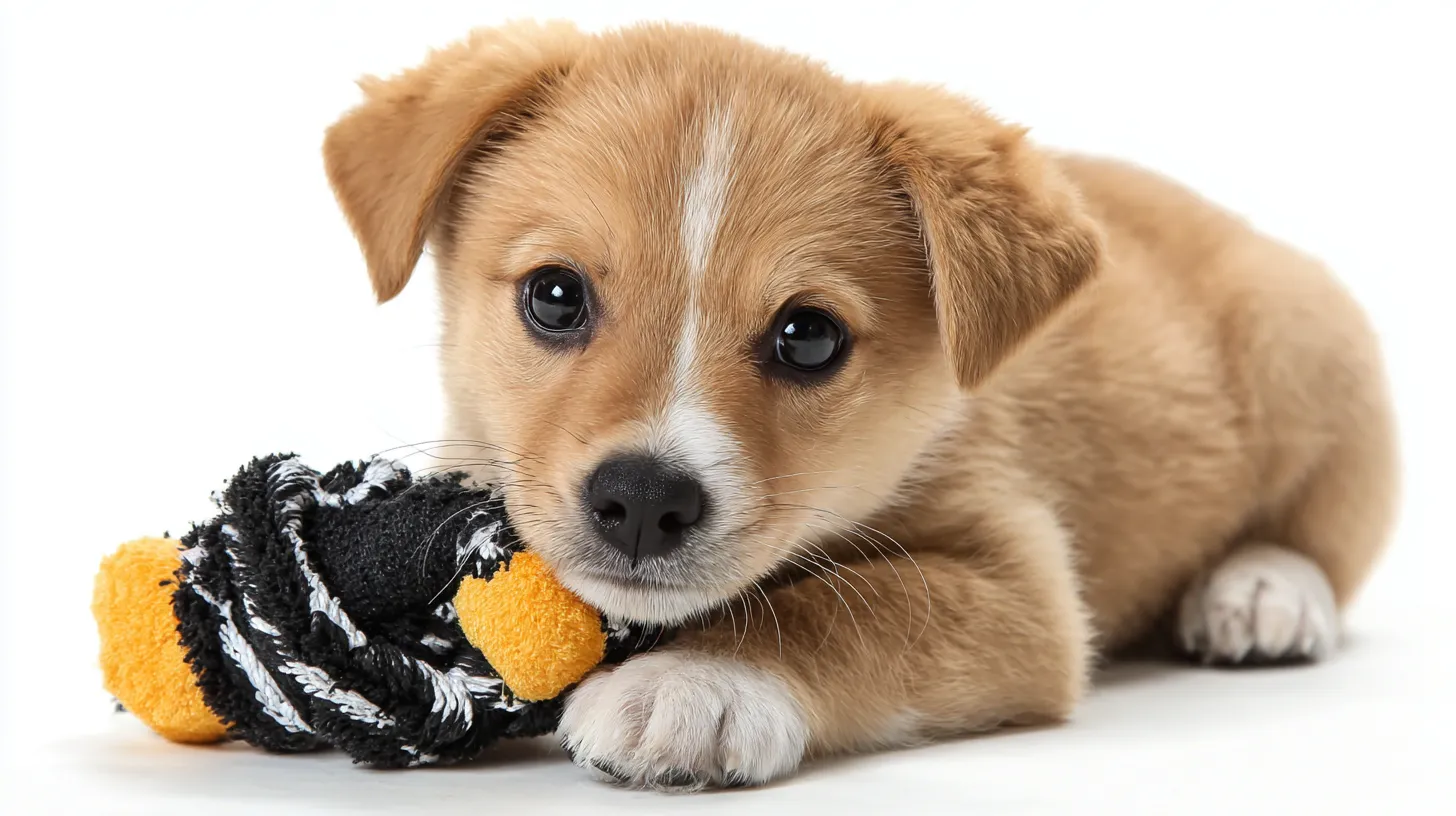
Puppies chew for several reasons — teething discomfort, curiosity, boredom, and anxiety. Without proper chew toys, they may target furniture, shoes, or even electrical cords. Providing the right teething toys helps:
- Relieve gum pain and inflammation during tooth eruption.
- Encourage healthy jaw development.
- Prevent destructive chewing habits.
- Promote clean teeth and fresh breath.
For more behavioral advice during teething, read Stop Puppy Biting Fast to teach your puppy safe chewing alternatives early.
When Puppies Start Teething
Puppies usually begin teething at around 3 weeks of age and continue until about 6 months. The most intense chewing phase typically occurs between 12 and 20 weeks when adult teeth begin emerging. Here’s a quick timeline:
| Puppy Age | Teething Stage | Recommended Toy Type |
|---|---|---|
| 3–8 weeks | Baby teeth emerging | Soft plush toys |
| 8–16 weeks | Baby teeth falling out | Cooling teething rings and gentle rubber toys |
| 16–24 weeks | Adult teeth forming | Durable chew toys and textured dental chews |
Best Teething Toys and Chews for Puppies (2026 Edition)
1. Kong Puppy Classic Toy
This iconic toy is a must-have for every teething puppy. Made of natural rubber, it’s durable yet soft enough for young jaws. Fill it with treats or frozen peanut butter to soothe sore gums and provide mental stimulation.
- Material: Natural rubber
- Best for: Medium to large breeds
- Cleaning: Dishwasher-safe
2. Nylabone Puppy Teething Rings
Nylabone’s puppy rings are textured to massage gums and reduce teething discomfort. They’re designed specifically for puppies under 25 lbs and help redirect chewing from household items.
3. Benebone Puppy Chew Wishbone
This ergonomic chew is infused with real bacon flavor and designed for smaller mouths. Puppies love the taste, and the shape makes it easy for them to hold during chewing sessions.
4. PetSafe Chill’n Chew Toy
This innovative toy can be frozen for extra soothing relief. Simply fill it with water or broth, freeze it, and give it to your puppy for cool gum comfort.
5. West Paw Zogoflex Tux Treat Toy
Made in the USA, this durable toy doubles as a chew toy and treat dispenser. It’s soft on teeth yet tough enough to last through months of teething.
Natural Chews for Teething Relief
Along with toys, natural chews are excellent for soothing sore gums while promoting dental hygiene. Always choose size-appropriate and digestible options. Here are some of the safest natural chews for teething puppies:
- Bully sticks: Long-lasting and rich in protein.
- Frozen carrots: A budget-friendly, cooling chew option.
- Yak milk chews: Durable and safe for moderate chewers.
- Sweet potato chews: Soft, nutritious, and great for sensitive puppies.
Monitor your puppy while chewing and discard any small or sharp pieces to prevent choking hazards.
How to Choose the Right Toy for Your Puppy
Not every toy suits every puppy. Consider the following factors when selecting teething toys:
- Size: Choose toys large enough not to be swallowed.
- Material: Avoid plastic toys that can splinter or break easily.
- Durability: Match the toy strength to your puppy’s chewing intensity.
- Texture: Mix soft, rubbery, and ridged surfaces for gum stimulation.
Pro Tip:
Rotate toys weekly to maintain your puppy’s interest and prevent boredom. Include a mix of plush, rubber, and natural chews for variety.
Safety Tips for Puppy Chewing
- Supervise playtime, especially with new toys or chews.
- Inspect toys regularly for cracks or wear.
- Replace toys immediately if pieces start breaking off.
- Avoid bones, antlers, or hard nylon chews that can damage teeth.
For insight into preventing chewing-related behavior problems, visit 10 Common Puppy Mistakes Every New Dog Owner Should Avoid.
Creating a Safe Teething Routine
Establishing a daily chew routine helps your puppy manage teething discomfort while reinforcing good habits. Try this schedule:
| Time | Activity | Recommended Toy Type |
|---|---|---|
| Morning | Play session after breakfast | Kong or soft rubber chew |
| Afternoon | Calm downtime after walk | Frozen carrot or chilled teething ring |
| Evening | Relaxation before bed | Natural chew or plush comfort toy |
Maintaining Dental Health During Teething
Dental care starts early. Introduce gentle toothbrushing with puppy-safe toothpaste once your dog is comfortable with mouth handling. Combine brushing with teething toys that naturally scrape plaque from teeth. Proper oral care prevents tartar buildup and supports long-term gum health.
For guidance on puppy health and nutrition, read the Best Puppy Food for Growth and Healthy Development article for a holistic care approach.
Signs Your Puppy’s Teething Is Ending
- Reduced chewing intensity
- No more missing teeth
- Adult teeth are fully visible and aligned
Once teething ends (around 6 months), you can introduce more durable toys and focus on long-term training. For post-teething care, check How to Potty Train Your Puppy Fast and Effectively to continue developing good habits.
Conclusion
Teething doesn’t have to be stressful for you or your puppy. By offering safe and engaging chew toys, maintaining supervision, and following a consistent routine, you’ll help your puppy transition smoothly through this phase. The right teething toys not only protect your furniture but also promote healthy teeth, calm behavior, and overall happiness.
Explore more puppy care guides at Furxie.com — your trusted resource for pet wellness and training tips. You can also read related articles like Puppy Sleep Schedule: How Much Sleep Do Puppies Need? and How to Socialize a Puppy for Confidence and Calm Behavior.