Complete Puppy Care Guide for New Dog Owners
Meta Description: Learn essential puppy care tips for first-time dog owners, covering feeding, training, health, and socialization to raise a happy, healthy dog.
Bringing home a puppy is one of life’s greatest joys — and responsibilities. These adorable companions need more than just love; they need structure, training, proper nutrition, and health care to thrive. Whether you’re a first-time dog owner or adopting your second furry friend, this complete guide covers everything you need to know about puppy care — from feeding and grooming to training and socialization.

1. Preparing Your Home for a Puppy
Before your new puppy arrives, it’s important to make your home safe and welcoming. Puppies are naturally curious and may explore dangerous areas or chew on harmful objects. Puppy-proofing your space prevents accidents and keeps your furry friend safe.
- Remove toxic plants, electrical cords, and small choking hazards.
- Secure cabinets with cleaning products or medications.
- Designate a cozy sleeping area with a crate or soft bed.
For an easy shopping checklist of what you’ll need, visit the New Kitten Essentials Checklist — many of these items also apply to puppies.
2. Feeding Your Puppy the Right Way
Nutrition is the cornerstone of your puppy’s health and development. Puppies require nutrient-rich food designed for growth, not adult dog food. Feeding the right amount at the right intervals supports muscle development, bone health, and a strong immune system.
| Age | Feeding Frequency | Recommended Food Type |
|---|---|---|
| 8–12 weeks | 3–4 meals per day | Puppy kibble mixed with warm water |
| 3–6 months | 3 meals per day | High-protein puppy food |
| 6–12 months | 2 meals per day | Balanced growth formula |
Check the Best Puppy Food for Growth and Healthy Development guide for the top-rated foods and nutrition plans tailored to your dog’s breed size.
3. Potty Training and Crate Training Basics
Consistency is key to successful potty training. Establish a routine and take your puppy out after waking, eating, or playing. Use positive reinforcement — not punishment — to encourage good behavior.
- Take your puppy outside every 2–3 hours during the day.
- Use verbal cues like “Go potty!” before and after success.
- Reward your puppy immediately after they finish.
For a complete guide, see How to Potty Train Your Puppy Fast and Effectively.
4. Puppy Vaccinations and Vet Visits
Vaccinations protect your puppy from life-threatening diseases such as parvovirus, distemper, and rabies. A proper vaccination schedule should be followed closely with your vet’s guidance.
| Age (Weeks) | Vaccines | Notes |
|---|---|---|
| 6–8 | Distemper, Parvovirus (DHP) | Initial vaccinations |
| 10–12 | DHP booster, Bordetella | Strengthens immunity |
| 14–16 | Rabies, DHP final | Mandatory by law in most regions |
Follow your vet’s recommendations and reference the Puppy Vaccination Schedule Guide for more details.
5. Exercise and Playtime
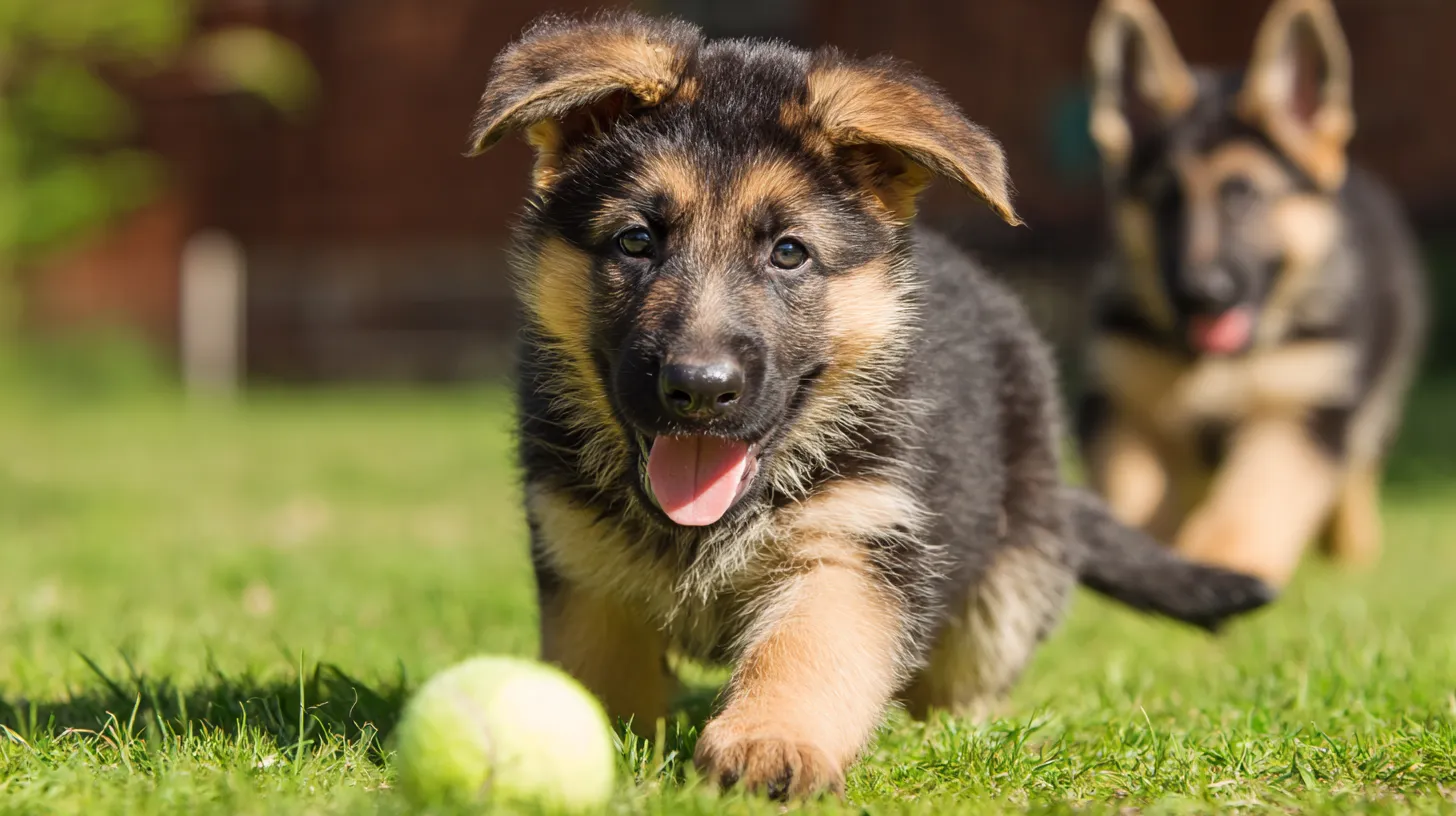
Physical activity is crucial for developing strong muscles and preventing obesity. Puppies have lots of energy, but short bursts of play are better than long walks. Aim for 5 minutes of exercise per month of age, up to twice daily.
Interactive play strengthens your bond and supports mental health. Use safe toys, such as those featured in the Best Toys and Chews for Teething Puppies (2026 Guide).
6. Grooming and Hygiene
Regular grooming not only keeps your puppy clean but also helps you spot potential health issues like fleas or skin irritations early. Start grooming routines early so your puppy gets used to being handled.
- Brush your puppy’s coat 2–3 times per week.
- Bathe monthly using gentle, puppy-safe shampoo.
- Trim nails and clean ears regularly.
Early handling during grooming helps with confidence — similar to techniques in How to Socialize a Puppy.
7. Sleep Schedule and Rest
Sleep is vital for your puppy’s physical and mental growth. Puppies can sleep up to 18–20 hours a day, depending on their age. Create a quiet, comfortable sleeping area away from distractions.
- Establish a consistent bedtime routine.
- Allow naps between play sessions.
- Avoid overstimulation before bedtime.
For more details, see the Puppy Sleep Schedule Guide for age-based recommendations.
8. Puppy Socialization
Socializing your puppy helps prevent fear, anxiety, and aggression later in life. Introduce your puppy gradually to different people, pets, sounds, and environments during their early weeks.
- Expose your puppy to new experiences daily.
- Reward calm and friendly behavior.
- Avoid forcing interaction — let your puppy approach naturally.
Explore How to Socialize a Puppy for a full breakdown of socialization stages.
9. Managing Teething and Chewing
Between 3 and 6 months, your puppy’s teething phase begins. During this time, they’ll chew on nearly everything to soothe sore gums. Redirect this behavior with safe chew toys instead of scolding.
- Offer frozen carrots or puppy-safe teething rings.
- Keep shoes, furniture, and cords out of reach.
For effective solutions, check Stop Puppy Biting Fast.
10. Common Puppy Care Mistakes to Avoid
- Skipping early training or socialization.
- Overfeeding or using the wrong diet.
- Neglecting exercise and mental stimulation.
- Inconsistent commands during training.
To avoid these pitfalls, read 10 Common Puppy Mistakes Every New Dog Owner Should Avoid.
11. Building a Strong Bond with Your Puppy
Trust and affection form the core of a lifelong relationship with your dog. Spend quality time training, playing, and simply relaxing together. Use positive reinforcement and gentle guidance to strengthen your connection.
- Establish daily routines for predictability.
- Reward good behavior with treats or affection.
- Use consistent tone and commands.
Conclusion
Raising a puppy takes patience, time, and love — but the rewards are immeasurable. With the right care, nutrition, and training, your puppy will grow into a loyal, confident, and well-behaved adult dog. Follow this comprehensive puppy care guide to make the journey enjoyable and fulfilling for both of you.
For more detailed pet care resources, visit Furxie.com and explore popular guides like Best Puppy Food for Growth and Healthy Development and Top 15 Cute Puppy Breeds That Stay Small Forever.