Crate Training a Puppy at Home (Step-by-Step)
Meta Description: Step-by-step crate training for puppies: setup, sizing, schedules, troubleshooting, and positive methods that speed housebreaking safely.
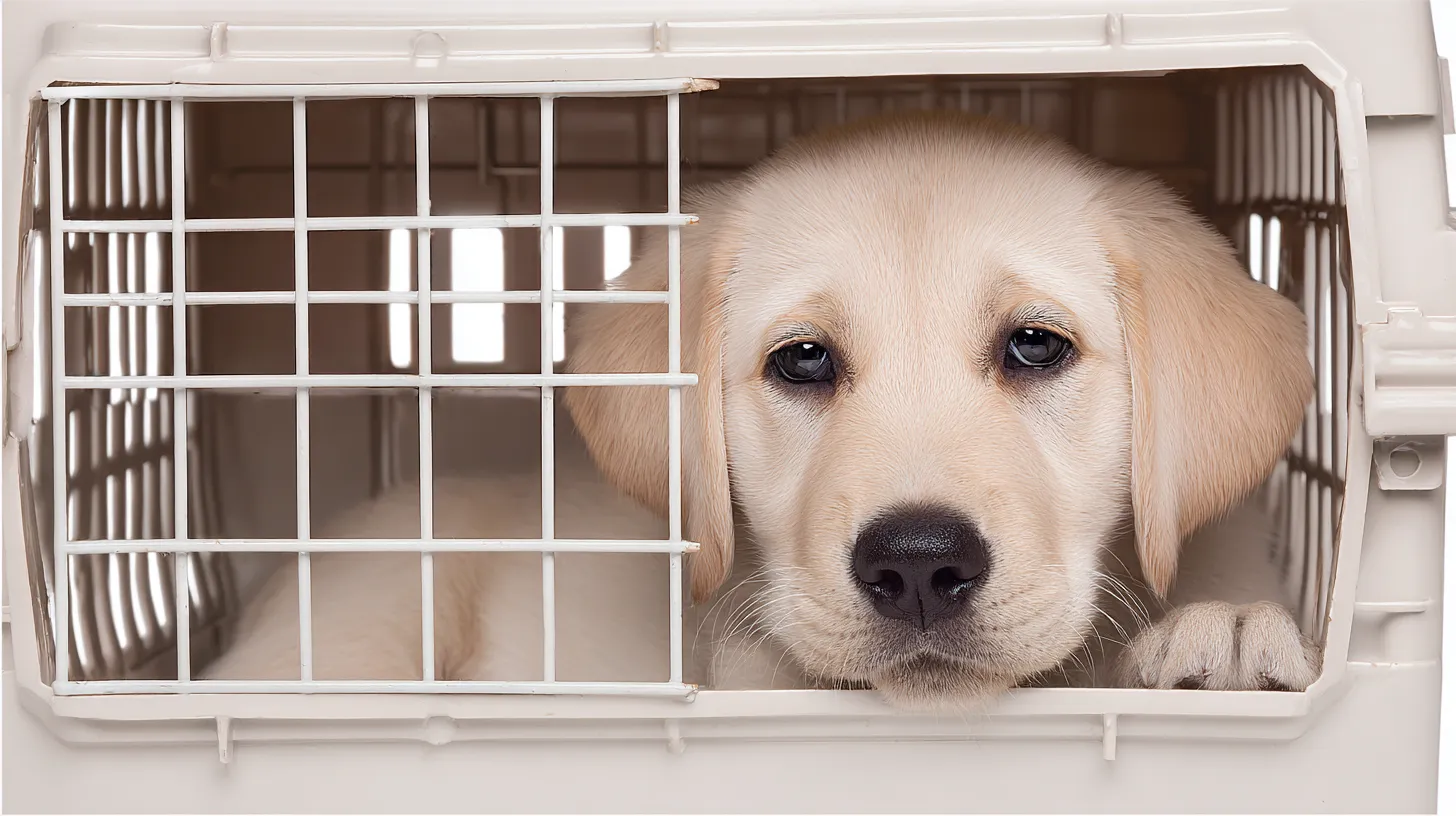
Crate training is one of the fastest, kindest ways to help your puppy feel safe, sleep better, and learn where and when to potty. Done well, the crate becomes your dog’s den—a calm, predictable space that supports housebreaking, prevents destructive chewing, and makes travel or vet visits less stressful. This expert guide shows you exactly how to choose the right crate, create a simple training plan, avoid common mistakes, and troubleshoot like a pro.

Why Crate Training Works (and Why It’s Not “Mean”)
Dogs are natural den-seekers: a quiet, contained space can help them settle and self-soothe. When we pair the crate with positive reinforcement, it becomes a safe room, not a punishment. The Humane Society recommends starting at 8 weeks and moving gradually with treats, toys, and short sessions. The AKC echoes that crates build security, help with housebreaking, and travel safety. For new or nervous pups, a consistent routine and positive associations are everything.
Pick the Right Crate (Sizing, Types, Placement)
1) Sizing Rules
- Big enough to stand, turn, and lie down comfortably—no bigger for housebreaking.
- Use a divider for growing puppies so the space “grows” with your dog (AKC Owner’s Manual).
2) Types
- Wire: Great airflow and visibility; easy to clean; add a cover to reduce visual noise.
- Plastic: More den-like; good for travel; retains warmth and muffles sound.
- Soft-sided: Only for crate-savvy dogs; not ideal for teething puppies.
3) Where to Put It
- Start in a quiet family area (not isolated), away from direct sun or drafts.
- At night, keep it near your bed for reassurance and faster potty response.
Step-by-Step: 7-Day Crate Training Plan
Adapt timings to your puppy’s age and confidence. Use tiny steps and frequent rewards.
| Day | Goal | What You’ll Do | Session Length |
|---|---|---|---|
| Day 1 | Happy exploration | Door open, toss treats inside; feed one meal just inside; chew toy appears only in crate. | 3–5 min, several times |
| Day 2 | Short settles | Mark & reward calm sits inside; close door for 5–10 sec, open before fussing. | 5–10 min total |
| Day 3 | Relax with door closed | Feed full meal in crate; door closed during half the meal; open when calm. | Meal windows |
| Day 4 | Micro absences | Door closed, you take 2–3 steps away, return & treat if quiet; add a stuffed, safe chew. | 2–3 reps, 1–2 min each |
| Day 5 | Room exits | Walk out of sight for 15–30 sec; return calmly; open only when quiet. | 10–15 min total |
| Day 6 | Nap training | Post-exercise nap in crate (cover three sides if wire). Reward quiet after 1–2 min. | 20–40 min nap |
| Day 7 | Gentle independence | Two naps in crate; light household noise; vary your distance and duration. | 30–60 min per nap |
Expect non-linear progress. The AKC notes it can take months to reach full reliability—calm consistency wins.
Housebreaking: Pair the Crate with a Potty Plan
Crates discourage accidents by limiting unsupervised time, but your success hinges on a predictable potty routine. Use a tight feed-play-potty-crate loop and take puppies outside after waking, play, and meals. For detailed timing by age, see How to Potty Train Your Puppy Fast and Effectively and the Humane Society’s housebreaking tips.
Sample Daytime Rhythm (8–12 Weeks)
- Wake → potty immediately → breakfast (consider feeding in crate) → brief play → crate nap.
- Repeat cycles every 2–3 hours; increase outdoor potty chances after play.
- Limit max crate time to ~1 hour per month of age (e.g., 3-month pup ≈ 3 hours)—with a hard cap at 4 hours for young pups.
Make the Crate a Reward Magnet
- Crate-only chews: Reserve the best long-lasting, vet-approved chews and food puzzles for crate time.
- Feed in the crate: The AKC recommends moving the bowl to the back of the crate to build positive association.
- Calm comes first: Open the door only when quiet. If pup whines, wait for 1–2 seconds of silence, then open.
Preventing Problems Before They Start
1) Overtired, Under-exercised Pups
Tired brains learn better. Use age-appropriate play, sniff walks, and training games before crate naps. For gentle routines and sleep expectations, see Puppy Sleep Schedule.
2) Boredom & Teething
Rotate safe chews and textures. Our teething picks and enrichment ideas are in the Best Toys and Chews for Teething Puppies.
3) Socialization Timing
Balanced exposure in the first 3 months yields confident, resilient dogs. The AVSAB position statement supports early socialization with sensible disease precautions; see the AVMA literature review (2024) for current evidence. Pair outings with your crate routine to build calm recovery at home. Explore How to Socialize a Puppy.
Nighttime Setup & Schedules
- Place the crate close to your bed the first week; pups settle faster with your presence.
- Plan 1–2 overnight potty breaks for young pups; quiet in–out, minimal chatter or play.
- Use a lightweight cover (if wire) to reduce visual stimulation, leaving the front mostly open for airflow.
Safety First: What Not to Do
- Never use the crate as punishment; it must stay a safe, predictable place (Humane Society).
- Remove collars with tags in the crate to prevent snagging.
- Avoid soft-sided crates for heavy chewers; start with wire or plastic.
- Skip excessive confinement—rotate playpens, tethers, training, and naps.
Crate Sizes by Weight (General Guide)
| Dog Size | Typical Adult Weight | Crate Length (Approx.) | Notes |
|---|---|---|---|
| Toy/Small | < 20 lb | 24–30 in | Use divider for growing small breeds. |
| Medium | 20–40 lb | 30–36 in | Padding + chew rotation to prevent boredom. |
| Large | 40–70 lb | 36–42 in | Cover sides (not front) if visual noise is high. |
| XL/Giant | 70+ lb | 42–54 in | Ensure floor support and ventilation. |
Potty-Break Math (Quick Reference)
- 8–10 weeks: Outside every 60–90 minutes; crate naps 30–60 min.
- 11–14 weeks: Outside every 2–3 hours; naps 45–90 min.
- 15–20 weeks: Outside every 3–4 hours; naps 60–120 min.
If you work away from home, line up midday help. The Humane Society outlines contingency options for extended absences and indoor potty alternatives (see guidance).
Fixing Common Crate Training Problems
Whining or Barking
- Wait for a brief pause in noise, then open or reward. Avoid teaching that vocalizing opens doors.
- Double-check: did pup need to potty? After genuine breaks, return calmly to crate with a chew.
Accidents in the Crate
- Crate may be too large—use the divider.
- Revisit schedule: more frequent outside trips after sleep, play, and meals.
- Rule out GI upset; consider diet tweaks from our Best Puppy Food & Nutrition guide.
Chewing the Bars or Bedding
- Increase pre-crate activity and mental games.
- Offer long-lasting crate-safe chews or food puzzles.
- For persistent distress, consult a certified trainer or veterinarian; chronic panic can signal separation issues (see JAVMA guidance on management planning).
Build a Whole-Puppy Plan Around the Crate
- Sleep: Most puppies need 16–20 hours/day—learn age-based patterns in Puppy Sleep Schedule.
- Social Skills: Pair calm crate time with confident outings; start with our socialization checklist. Read the science: AVSAB.
- Health & Vaccines: Coordinate early classes with your vet; follow the Puppy Vaccination Schedule Guide.
- Teething & Biting: Redirect mouthy behavior; try teething toys and see Stop Puppy Biting Fast.
Crate Training Do’s & Don’ts (Quick Bullets)
Do
- Introduce gradually; reward generously.
- Feed meals in the crate; reserve special chews for crate time.
- Keep a predictable routine with potty breaks and naps.
- Observe a trainer’s class before hiring (Puppy Training at Home).
Don’t
- Use the crate for punishment or long-term isolation.
- Ignore signs of distress; adjust steps or seek professional help.
- Leave collars/tags on inside the crate.
When to Call a Professional
If whining escalates to panic (drooling, self-injury, soiling), or progress stalls for weeks, book a certified positive-reinforcement trainer (CPDT-KA, KPA CTP, IAABC). You can also consult your veterinarian to rule out medical causes and discuss behavior plans. For wider training fundamentals, see our in-depth Puppy Care 101 and Ultimate Pet Care Guide.
FAQ: Fast Answers
How long can my puppy stay in the crate?
Roughly one hour per month of age (e.g., 3 hours at 3 months), up to 4 hours for young puppies—less if your puppy is anxious or hasn’t pottied recently.
Should I cover the crate?
Often helpful for wire crates—cover three sides to reduce stimulation while maintaining airflow from the front. If your pup gets hotter or more agitated, uncover.
What bedding is safest?
Start with a flat mat or towel; upgrade to a durable pad once you know your pup won’t shred or ingest fabric. Always supervise with new bedding.
Helpful Furxie Guides (Internal Links)
- Puppy Sleep Schedule: How Much Sleep Puppies Need
- How to Potty Train Your Puppy Fast
- How to Socialize a Puppy
- Best Toys & Chews for Teething Puppies (2026 Guide)
- Puppy Training at Home: Complete Guide
Authoritative External Resources
- Humane Society: Crate Training 101
- AKC: Crate Training—Expert Tips
- AKC: Crate Training in 9 Steps
- AVSAB: Puppy Socialization Position Statement (PDF)
- AVMA (2024): Socialization Literature Review (PDF)
For more puppy and pet-care expertise, visit the official site: Furxie.com.