Potty Training a Puppy: Fast, Simple Steps
Meta Description: Housebreak your puppy fast with a proven schedule, positive reinforcement, crate tips, accident clean-up, and troubleshooting for real-life success.
Potty training a puppy doesn’t have to be messy or confusing. With a tight routine, strategic rewards, and smart management, most pups can be reliably housebroken in a few weeks. This step-by-step guide walks you through a practical schedule, crate and confinement strategies, accident protocols, and troubleshooting for common setbacks like night accidents, rain fear, or excited peeing. You’ll also find printable tables, checklists, and pro tips to keep everyone on track.
Potty Training Principles That Work
- Prevention beats correction: Supervise or confine to avoid rehearsing indoor accidents.
- Predictable schedule: Food, water, sleep, play, and potty breaks run like clockwork.
- Reinforce the location: Pay outside with tiny treats and praise the instant your puppy finishes.
- Calm, neutral indoors: No celebration or treats for coming back inside—only for pottying outdoors.
- Clean thoroughly: Use enzymatic cleaners so your puppy isn’t lured back by scent.
Supplies & Setup
- Crate just large enough to stand, turn, and lie down (or use a divider). See Crate Train Your Puppy: Easy, Fast Steps.
- Exercise pen or baby gates for a safe confinement zone.
- Lightweight leash and treat pouch for instant rewards outside.
- High-value treats (pea-sized, soft).
- Enzymatic cleaner for accidents.
- Weather plan: umbrella, boots, towel near the door.
Two-Week Potty Training Schedule
Build your plan around age-appropriate bladder limits: many puppies can hold it roughly age in months + 1 hours (max 3–4 hours daytime in the early weeks). Night holds can be slightly longer.
| Time | Action | Why It Works |
|---|---|---|
| Wake-up | Carry to potty spot on leash; say nothing until done; mark “Yes!” and treat 2–3 times. | Prevents indoor accident, pays the outdoor spot. |
| After meals | Out within 5–10 minutes; stand still; treat immediately after elimination. | Digestion triggers predictable potty window. |
| After naps/play | Quick outdoor break; reward. | Activity and waking often trigger urination. |
| Hourly (Weeks 1–2) | Young pups: offer a short break; gradually stretch as success builds. | Frequent chances prevent accidents and build routine. |
| Evening wind-down | Quiet time; water up 1–2 hours pre-bed (unless advised otherwise by vet or in hot climates). | Reduces overnight accidents. |
| Bedtime | Last potty, then crate; if needed, set one alarm in the night for young pups. | Sets a consistent circadian pattern. |
For sleep needs and scheduling harmony, check Puppy Sleep Schedule: How Much Do Puppies Need? and full home routines in Daily Pet Care Routine.
Step-by-Step Potty Process (Every Trip)
- Leash on, straight to spot: No wander time indoors. Head to the same outdoor area to build a strong context.
- Quiet, boring handler: Stand still. Avoid play or sniff safaris until after potty happens.
- Mark & reward immediately: The instant pup finishes, say “Yes!” and feed 2–3 treats at the potty spot.
- Bonus freedom: 1–3 minutes of sniffing/play as an extra reward.
- If nothing happens in 3–5 minutes: Back inside to the crate/pen for 10–15 minutes, then try again.
Crate & Confinement: Your Secret Advantage
Most puppies won’t soil a properly sized crate. Pair short crate intervals with predictable breaks to teach holding. See crate training steps and foundational skills in Puppy Training at Home.
Crate Timing Guidelines (Typical)
- 8–10 weeks: 30–60 minutes awake between potty breaks, then out.
- 11–14 weeks: Up to 1–2 hours awake between breaks.
- 15–20 weeks: 2–3 hours awake between breaks.
- 5–6 months: 3–4 hours if success remains high.
Feeding & Water for Faster Housebreaking
- Scheduled meals (no free-feeding) create predictable elimination times. For nutrition basics, see Top Nutrition Tips for Pets.
- Keep water available during the day; pick it up 1–2 hours before bed unless your vet advises otherwise or it’s very hot.
- After big drinks, plan an extra quick outing.
Accidents Happen—Here’s the Protocol
- Interrupt gently: If caught mid-accident, say “Outside!” and calmly head out. No scolding—punishment can cause hiding/withholding.
- Clean with enzymes: Remove odor completely so the spot doesn’t become a cue. (Look for “enzymatic” on the label.)
- Review the schedule: Add a break earlier next time or reduce freedom briefly.
Progress Tracker (Print This)
| Day | Time | Event | Location | Notes (food, play, cues) |
|---|---|---|---|---|
| Mon | 7:10am | Pee | Outside | Rewarded x3; short play |
| Mon | 9:00am | Accident | Living room | Missed post-nap break—adjust schedule |
Common Challenges & Fixes
Night Accidents
- Set one scheduled overnight potty (alarm) for very young pups; fade it as nights stay dry.
- Ensure last outing is calm, not playtime; reward immediately at the spot.
Won’t Go in Rain or Snow
- Create a weather station near the door (shoveled, covered area, grass patch).
- Bring high-value treats; reward heavily for braving bad weather.
Pup Pees Right After Coming Back Inside
- Stay outside 2–3 extra minutes after peeing once; many puppies potty twice.
- If no result outside, brief crate/pen, then try again—repeat the “boring outside until potty” pattern.
Submissive/Excitement Peeing
- Keep greetings low-key (turn sideways, soft voice).
- Reinforce calm sits before attention. Build confidence with short training games.
Health & Behavior Considerations
Frequent accidents despite a solid plan may indicate UTI, GI upset, parasites, or stress. If your puppy suddenly regresses, consult your veterinarian. Senior dogs or small/toy breeds may need more frequent trips. For seniors and medical considerations, see How to Care for Senior Pets.
Integrate With Training & Enrichment
Housebreaking improves when needs are met: sleep, chew outlets, mental games, and bite inhibition. Helpful reads:
- Puppy Training at Home: Complete Guide
- Best Toys & Chews for Teething Puppies
- Stop Puppy Biting Fast
When to Call a Trainer
If progress stalls after two consistent weeks, or anxiety/fear complicates outings, bring in a credentialed professional. Compare options via Find Best Local Dog Trainer Nearby and keep foundational skills fresh with Puppy Training at Home.
Authoritative External Guides
- ASPCA: House-Training & House Soiling
- AKC: Potty Training Your Puppy
- Humane Society: House Training Your Puppy
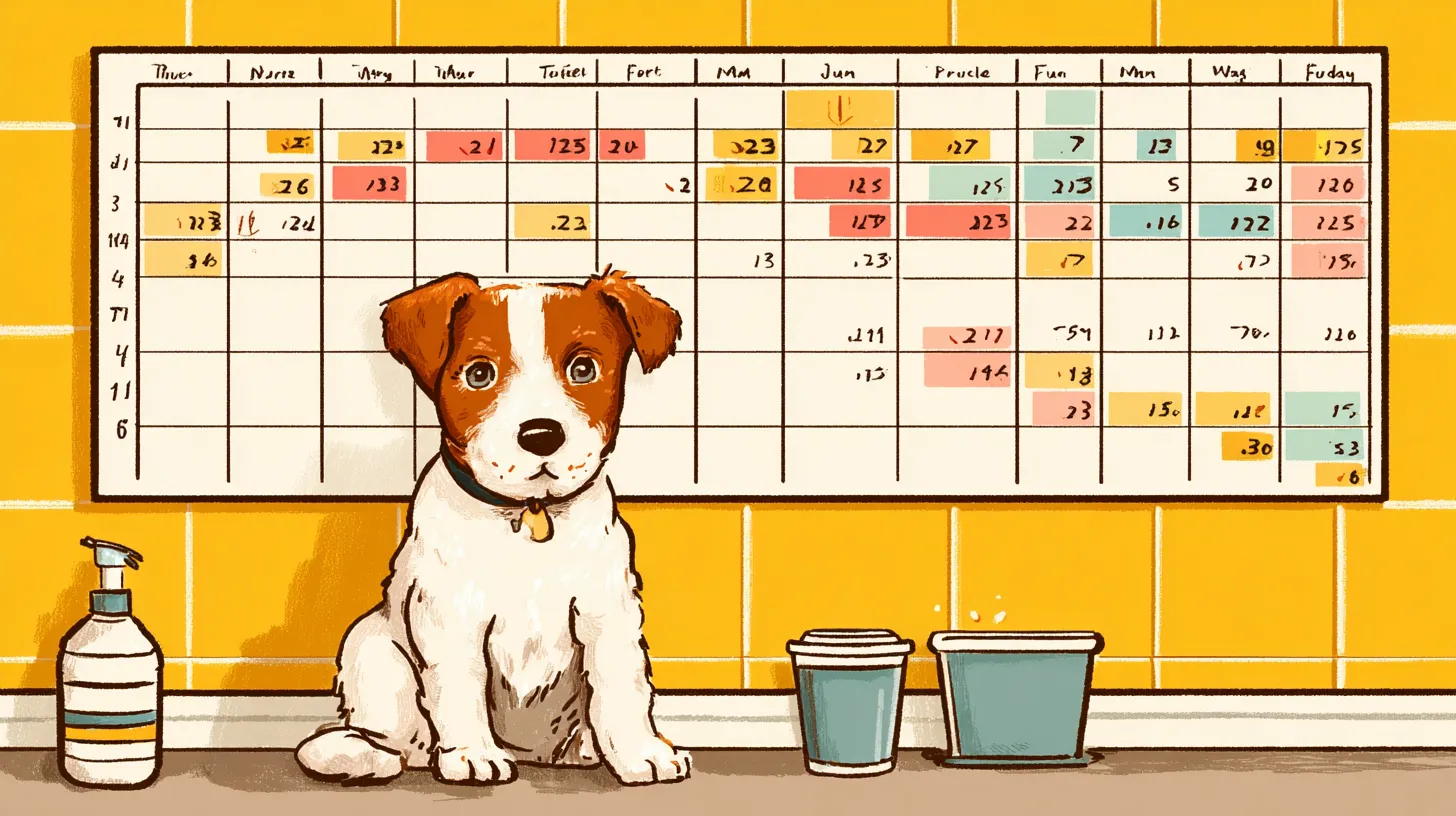
Printable “Success Ladder” (Fade Rewards, Keep Results)
- Week 1: Treat & praise every outdoor pee/poop.
- Week 2: Treat every other success; keep praise every time.
- Week 3+: Randomize treats; maintain verbal “Good potty!” and occasional jackpots.
Frequently Asked Questions
How long does potty training take?
With a tight schedule and management, many puppies become mostly reliable in 2–4 weeks; full reliability may take longer depending on age and breed.
Should I use pee pads?
Outdoor-only goals are fastest if you skip pads. If you live in a high-rise or have weather constraints, place pads close to the exit and move them closer over time until outdoors is easy.
What if my puppy eats poop?
Pick up immediately, enrich more (boredom can contribute), and talk to your vet to rule out deficiencies or parasites.
Furxie Resources (Internal Links)
- Puppy Training at Home: Complete Guide
- Crate Train Your Puppy: Easy, Fast Steps
- Puppy Vaccination Schedule Guide
- How to Potty Train Your Puppy Fast
- Find Best Local Dog Trainer Nearby
- Stop Puppy Biting Fast
- Daily Pet Care Routine
- Best Grooming Tips for Dogs & Cats
Official site: Furxie.com