Puppy Friendship Stories That Inspire
Meta Description: True puppy friendship stories plus expert tips on socialization, training, and care to help your pup thrive from day one.
Some friendships are written in muddy paw prints. These real-life puppy friendship stories reveal how connection—between puppies and people, between pups and other animals, and even among entire communities—can change lives. Alongside the heartwarming moments, you’ll find science-backed guidance on socialization, health, enrichment, and training, with trusted resources and related guides from Furxie to help you build your own success story.
Why Puppy Friendships Matter (Backed by Science)
Bonding with a puppy is more than “cute”—it’s physiological. Research links positive dog–human interaction with mutual oxytocin changes (the “bonding hormone”), strengthening social motivation and trust. :contentReference[oaicite:0]{index=0} Friendship also supports human wellbeing: regular dog walking helps many adults reach recommended physical activity levels, which the CDC sets at 150 minutes weekly. :contentReference[oaicite:1]{index=1}
For puppies, well-timed socialization builds confidence that echoes through life. Reviews and position statements agree the critical socialization window runs roughly from 3 to 12 weeks, and that thoughtfully managed exposure during this window reduces fear and behavior problems later. :contentReference[oaicite:2]{index=2} Pair proactive socialization with veterinary guidance on vaccines and risk management to keep experiences safe. :contentReference[oaicite:3]{index=3}
Story #1 — “Leo and Mira”: A Shy Pup Finds His Voice
Leo arrived timid, ducking behind furniture whenever visitors came. His adopter, Mira, started with predictable routines and a “safe base” bed. She layered in confidence games—hand targets, short leash walks at quiet hours, and calm introductions to one person at a time. Within weeks, Leo trotted out to greet new friends with a curious sniff instead of a trembling tail.
What worked for Leo
- Follow the socialization window thoughtfully (3–12 weeks) with gentle, varied exposures. :contentReference[oaicite:4]{index=4}
- Pair every new sight/sound with treats and praise; keep sessions brief.
- Use a settled home routine to lower baseline stress—see Daily Pet Care Routine.
- Plan “safety-first” outings based on current vaccines and risk factors per AAHA guidance. :contentReference[oaicite:5]{index=5}
Story #2 — “Juniper & Rook”: Best Friends Across the Species Line
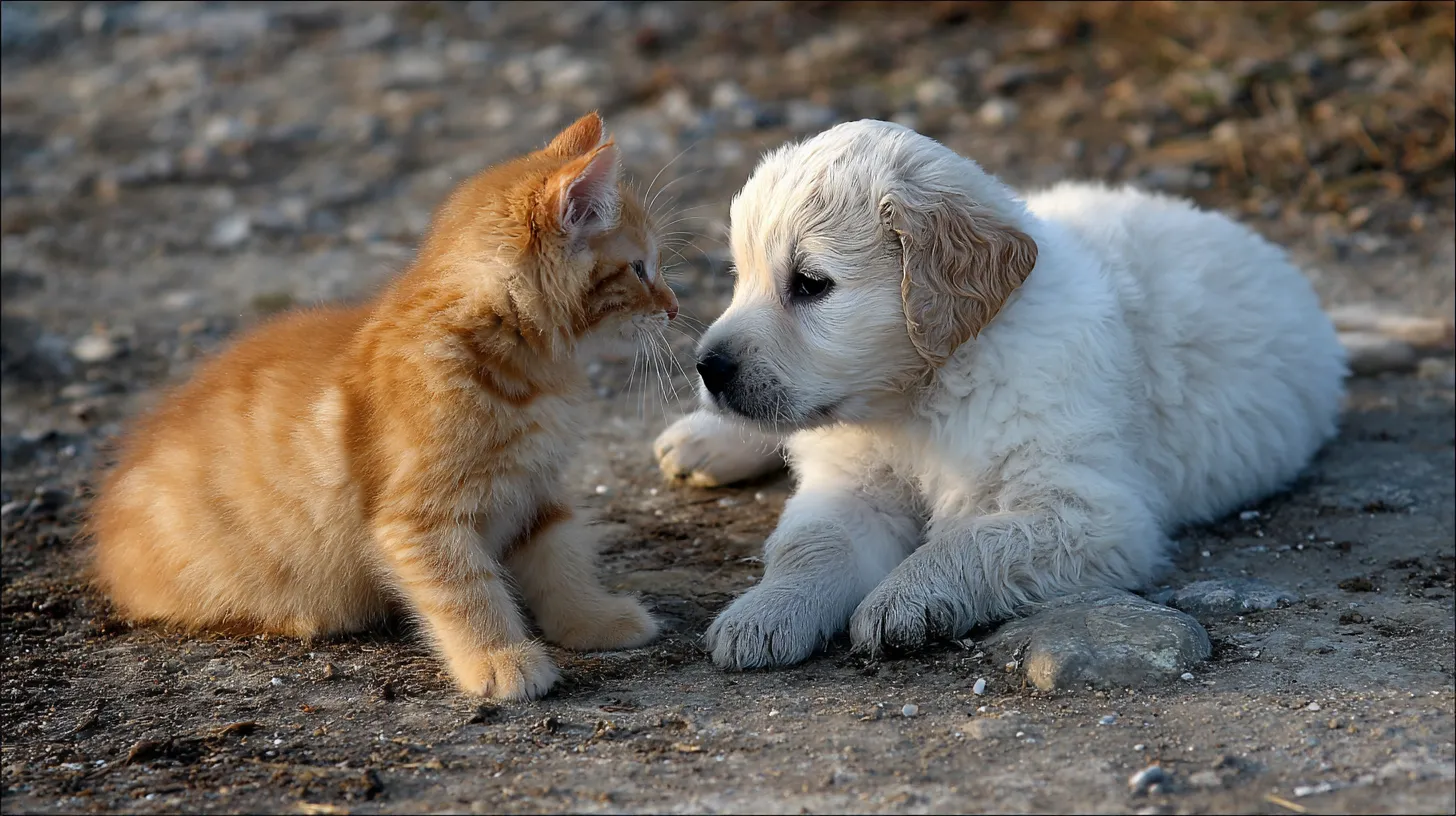
When kitten Rook joined the family, resident puppy Juniper wanted to play now. The family used gates and parallel time: aroma swaps, mealtime on opposite sides of a barrier, and short, structured sessions where Juniper earned rewards for calm. Soon, Rook began to initiate gentle play—chasing a feather while Juniper practiced a relaxed “down.”
Calm cohabitation checklist
- Start with separation and controlled sightlines; build duration gradually.
- Reward calm before greetings escalate; end on a success.
- Keep nails trimmed and create vertical cat space. See Grooming Tips and Kitten Care Guide.
- For puppy play etiquette, rotate chews and toys to avoid resource guarding; reinforce swaps.
Preparation: The Friendship-First Puppy Plan
Good stories start with good prep. The AAHA Canine Life Stage Guidelines and vaccination recommendations outline the health scaffolding that keeps adventures safe from day one. :contentReference[oaicite:6]{index=6} Use the table below to map essentials to trusted resources.
| Category | What to Do | Trusted Resource | Related Furxie Guide |
|---|---|---|---|
| Vaccines | Follow core schedule; discuss local risks | AVMA Vaccinations :contentReference[oaicite:7]{index=7} | Puppy Vaccination Schedule |
| Life Stage Care | Set nutrition, behavior, and exam cadence | AAHA Life Stage :contentReference[oaicite:8]{index=8} | Ultimate Pet Care Guide |
| Socialization | Begin early; manage disease risk | AVSAB Statement :contentReference[oaicite:9]{index=9} | How to Socialize a Puppy |
| Daily Structure | Short training, naps, enrichment | HABRI: Human–Animal Bond :contentReference[oaicite:10]{index=10} | Puppy Training at Home |
| Community | Adopt/foster; support shelters | Shelter Animals Count :contentReference[oaicite:11]{index=11} | Inspiring Adoption Stories |
The “3–12 Week” Socialization Arc (Simple Visual)
Use this lightweight graph to pace experiences during the most sensitive weeks. Week 3 Week 6 Week 9 Week 12+ Gradual, Positive Exposure Only
Keep sessions brief, pair with food/play, and end before your puppy gets tired. Balance disease risk with behavioral benefits under veterinary guidance. :contentReference[oaicite:12]{index=12}
Story #3 — “Koda & the Kids Next Door”: Friendship in the Cul-de-Sac
Koda, a high-energy herding mix, loved the neighborhood children a little too enthusiastically. His family taught “sit to say hi,” rewarding calm greetings. A local trainer introduced short clicker sessions to turn focus into a fun game. Soon the kids were part of the training team—Koda offered sits like a pro, earning cheerful pats and a few kibble paychecks.
Make kid-friendly greetings a habit
- Install “default sit” at doorways and sidewalks; praise the first calm breath.
- Use tiny treats for rapid, frequent reinforcement. See Clicker Training for Dogs.
- For persistent jumping/barking, try these proven barking techniques and obedience basics.
- Need personalized help? Find a vetted local trainer.
Adoption Trends: More Puppies Need Friends
Data show shelters continue to care for high numbers of dogs, including puppies under five months, while adoption totals remain a work in progress. In 2024, dogs and cats saw 4.19 million adoptions across the U.S., with dog adoption rates around 57% and cats at 64%. :contentReference[oaicite:13]{index=13} Puppies represented roughly 29% of dog intakes in 2024, underscoring the need for early, positive homes. :contentReference[oaicite:14]{index=14}
Want more feel-good momentum? Explore Heartwarming Dog Rescue Stories, Unbelievable Cat Stories, and real adoption journeys in Pet Adoption Stories.
Training That Protects the Friendship
Great friendships stay great when puppies have outlets. Combine short, upbeat training with enrichment and rest:
- Crate as a cozy den (prevent overtired meltdowns): Crate Training: Easy, Fast Steps
- House training without drama: Potty Train Your Puppy Fast (Step-by-Step)
- Prevent mouthing early: Stop Puppy Biting Fast
- Set sleep and feeding structure: Puppy Sleep Schedule and Best Puppy Food for Growth
Table: Common Puppy Friendship Moments & Pro Tips
| Friendship Moment | Hidden Need | What to Try | Helpful Link |
|---|---|---|---|
| Overexcited greetings | Impulse control | Default sit; reward calm | Obedience basics |
| Fear of new places | Under-socialized | Short exposures + treats | AVSAB Position :contentReference[oaicite:15]{index=15} |
| Rough play with kids | Arousal peaks | Calm breaks; chew swaps | Family-friendly breeds |
| Dog–cat tension | Space & predictability | Gates; scent swaps; perches | Grooming & handling |
| Puppy energy spikes | Unmet exercise needs | Walk-play-puzzle routine | CDC activity guidance :contentReference[oaicite:16]{index=16} |
Health & Hygiene: Keep the Good Times Rolling
- Stay on vaccine schedule and discuss local non-core risks (e.g., leptospirosis in endemic areas). :contentReference[oaicite:17]{index=17}
- Build positive clinic experiences (calm transport, rewards). :contentReference[oaicite:18]{index=18}
- Use seasonal checklists for heat, cold, pests, and grooming: Seasonal Pet Care, Hygiene Tips, and Nutrition Tips.
Story #4 — “Bruno & Nana”: A Senior Mentor for a Young Pup
Some of the sweetest friendships are intergenerational. When rambunctious puppy Bruno moved in with Nana, a senior golden, their people carefully managed play windows and down-time. Nana modeled calm, Bruno learned to mirror it, and the whole house found a new rhythm. If you’re pairing puppies with seniors, keep sessions short and give the older dog choice and space.
Support your senior ally with Senior Pet Care tips and give the puppy puzzle feeders and chews (see Best Teething Toys) so energy has somewhere to go.
Fast Fix Library (When Friendship Gets Bumpy)
- Barking at visitors? Try the calm mat routine and the techniques in Stop Dog Barking Fast.
- Mouthing hands and sleeves? Reset arousal and use bite-inhibition drills.
- House-soiling setbacks? Revisit scheduling with Potty Training Fast.
- Need a pro? Find Best Local Dog Trainer.

FAQs: Friendship, Safety, and Training
When should I start socializing my puppy?
Begin during the 3–12 week window with controlled, positive experiences; consult your vet to balance disease risk and behavior needs. :contentReference[oaicite:19]{index=19}
How do I keep first meetings safe?
Short sessions, neutral spaces, and high-value treats. Watch body language and end before fatigue or over-arousal. For structured how-tos, see How to Socialize a Puppy.
Do shelters really need more adopters and fosters?
Yes. National datasets show millions of adoptions annually, but shelters still report high intakes and sustained pressure—especially with puppy intakes rising. :contentReference[oaicite:20]{index=20}
Related Reading to Level Up Your Story
- How to Take Care of a New Puppy or Kitten
- Puppy Care 101: Tips for First-Time Owners
- 10 Common Pet Care Mistakes to Avoid
- Online vs In-Person Dog Training
- Train an Aggressive Dog Safely
- Most Intelligent Dog Breeds
- Low-Maintenance Pet Breeds
Real friendship is built in small, consistent moments. Start today with one calm hello, one short training session, and one tiny victory. Your future highlight reel is already wagging its tail.