How Abandoned Pets Find Hope: Real Rescues
Meta Description: Real abandoned pet rescue stories plus step-by-step adoption and recovery tips to help more dogs and cats find safe, loving homes.
Every rescue begins with a moment of uncertainty—and ends, we hope, with a tail thump, a soft purr, and a new start. In this collection of true rescue stories, you’ll meet abandoned pets who found safety, health, and family. Along the way, you’ll get practical, SEO-optimized tips and trusted resources to guide your next steps—whether you’re adopting, fostering, or helping a stray get home. For ongoing care, training, and breed guidance, explore the Furxie official website.
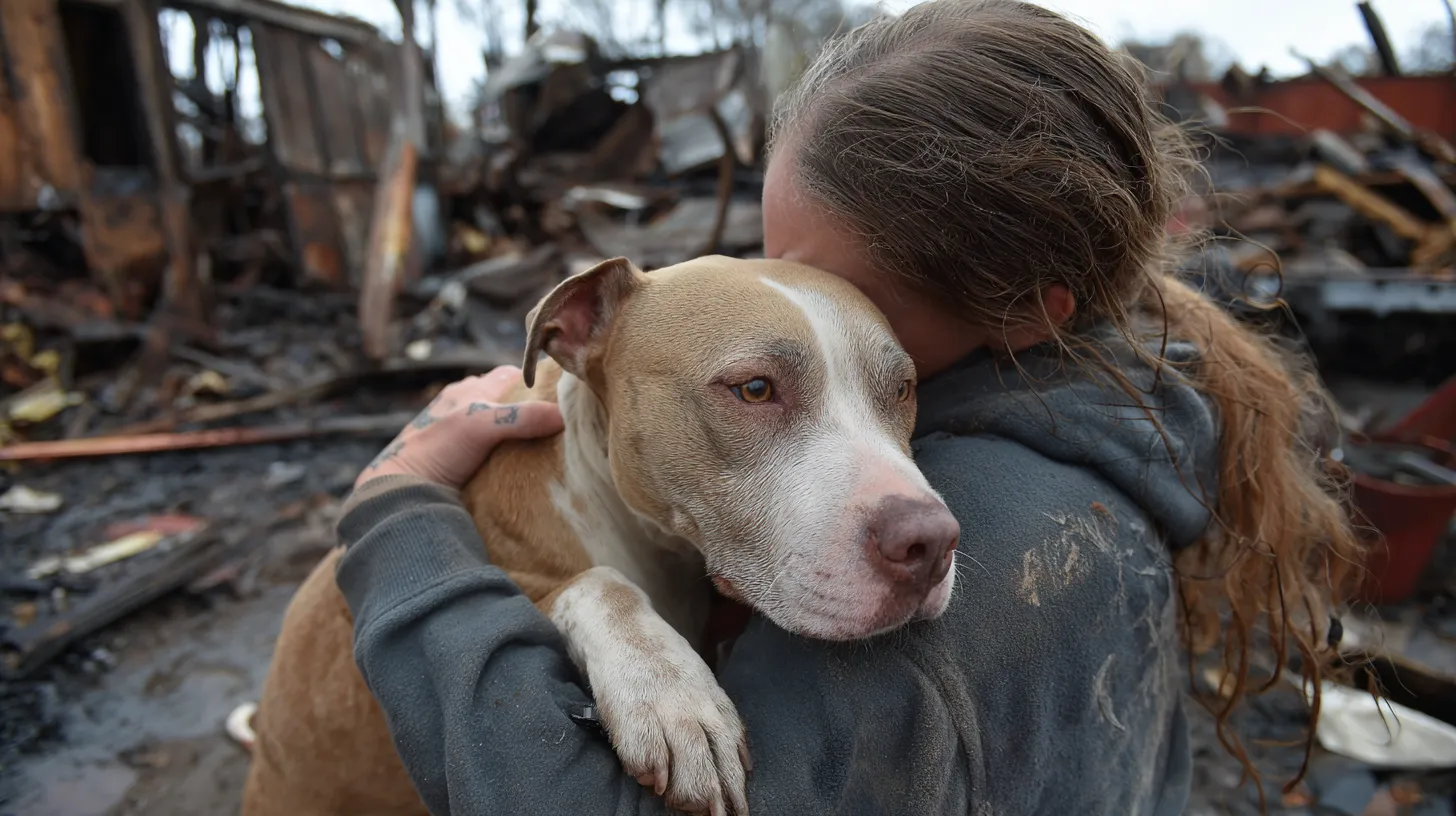
Why Rescue Stories Matter
Rescue narratives do more than warm hearts—they mobilize communities, increase adoptions, and remind us how identification, training, and routine care prevent abandonment in the first place. If you’re preparing to welcome a pet, start with a strong foundation: Ultimate Guide to Pet Care, Common Pet Care Mistakes, and a Daily Pet Care Routine that keeps stress low and behavior balanced.
Story 1 — The Crate-Shy Stray Who Learned to Love Naps
“Maple” was found sleeping under a porch, skittish and silent. Her foster family made a quiet corner with a covered crate, soft bedding, and a predictable feeding schedule. Instead of forcing crate time, they built positive association—treats, chews, and door-open naps. Within two weeks, Maple padded to her crate after dinner and slept through the night.
What made the difference
- Low-pressure introductions to resting spaces; no dragging or scolding
- Short, upbeat training sessions with a marker word or clicker
- Predictable structure for meals, potty, and play
Try it at home with these clear walkthroughs: Crate Training: Easy, Fast Steps, Clicker Training for Dogs, and Potty Train Your Puppy Fast.
Story 2 — The Cat Who Came Back After the Storm
“Pepper” bolted when thunder shook the neighborhood. Her family left familiar bedding by the door, searched quietly at dusk, and checked shelters daily. Ten days later, soft meows returned to the porch. After a slow reintroduction, Pepper settled back into a routine with extra enrichment and calm handling.
Cat-specific recovery checklist
- Search at night and dawn; scan hiding spots within a few houses
- Place scent items (bedding, used litter in a sealed bag near door)
- Check shelters and rescues in person with photos
Keep confidence growing with gentle play and nutrition tuned to needs: Kitten Food & Nutrition, Ultimate Kitten Care Guide, and Litter Training Fast. For hygiene and odor control post-adventure, see Pet Hygiene Tips.
Story 3 — Senior Dog, New Start
At 10 years old, “Sable” had a graying muzzle and patient eyes—and was often overlooked at the shelter. A retired couple adopted her with a health plan tailored to seniors: joint-friendly walks, routine lab checks, and lower-impact enrichment. Sable’s days filled with gentle games and sunlit naps, proving that older pets deliver instant calm and deep companionship.
Senior success plan
- Comfortable surfaces and ramps to protect joints
- Short, frequent walks and puzzle bowls for mental work
- Age-appropriate diet and veterinary checkups
Build your plan with How to Care for Senior Pets and keep grooming low stress with Best Grooming Tips.
Why Identification Saves Lives
Permanent identification and up-to-date tags turn near-misses into reunions. Microchipped dogs and cats are returned to owners far more often than non-chipped pets, especially when contact details are current. Learn the reasoning and process from veterinary authorities and studies: JAVMA microchip study and AVMA statistics.
Fast ID checklist
- Microchip + registered, current contact info
- Readable tag on a safe collar (breakaway for cats)
- Recent photos on your phone and in cloud storage
From Stray to Stay: First 30 Days After Adoption
The first weeks shape the rest of your story. Keep expectations simple and focus on safety, predictability, and calm exposure to everyday life.
| Timeline | Primary Goals | What to Do | Helpful Links |
|---|---|---|---|
| Days 1–3 | Decompression | Quiet room, short walks, establish potty & feeding schedule | Daily Routine |
| Week 2 | Basic skills | Marker/clicker, 3–5 minute sessions, reward calm | Obedience Basics |
| Weeks 3–4 | Confidence | Short social outings, scent games, gradual alone-time practice | Training at Home |
Behavior Hiccups: Turn Chaos into Wins
Many abandoned pets arrive with stress-linked behaviors—barking, chewing, pacing, or door dashing. Focus on outlets and clarity rather than punishment.
Quick fixes library
- Barking at visitors? Practice a calm “go to mat” and the strategies in Stop Dog Barking Fast.
- Crate refusal or sleepless nights? Reset with crate training steps and a consistent sleep schedule.
- Mouthing or nipping? Use bite-inhibition drills and structured play breaks.
- Potty setbacks? Re-establish timing with Potty Train Your Puppy Fast.
- Need a hand? Find a vetted local dog trainer.
Simple Visual: The “Rescue Recovery Curve”
Recovery rarely climbs in a straight line. Expect early gains, a mid-curve wobble, then steady progress as routines and trust deepen. Week 1 Week 6 Week 12 Progress isn’t linear—plan for a wobble
Feeding Hope: Nutrition, Hygiene, and Seasonal Care
A resilient body supports a resilient mind. Transition foods gradually, schedule routine grooming, and adjust for weather to keep discomfort from becoming “behavior.”
- Nutrition and safe transitions: Top Nutrition Tips for Pets
- Hygiene for skin, coat, and smells that signal stress: Pet Hygiene Tips
- Grooming basics that build trust: Grooming Tips for Dogs & Cats
- Heat, cold, and seasonal hazards: Seasonal Pet Care
Choosing Your Next Best Friend (With Head and Heart)
Pick with honesty about energy, space, and time. Research breed traits, but remember that mixed-breed pets can be wonderfully adaptable. Explore Furxie’s guides before you visit the shelter:
- Low-Maintenance Pet Breeds
- Friendly Dog Breeds for Kids | Best Guard Dog Breeds
- Most Intelligent Dog Breeds | Large Breeds for Active Owners
- Popular Cat Breeds for Apartments | Blue-Eyed Cat Breeds
Adoption & Community: Helpful External Resources
When shelters and neighbors link arms, abandonment turns into adoption. These authoritative resources can guide decision-making and community action:
- Shelter Animals Count: National sheltering trends
- ASPCA: U.S. animal shelter statistics & insights
- JAVMA: Microchip reunification study (open abstract)
- AVMA: Pet ownership statistics
Fast Comparison: Paths from Abandonment to Home
| Path | What It Involves | Pros | Considerations | Useful Links |
|---|---|---|---|---|
| Adopt from Shelter | Meet pets on site; review notes; complete counseling | Behavior insights; post-adoption support | Busy environment may stress shy animals | Adoption stories |
| Rescue/Foster Network | Home-based fosters share day-to-day behavior | Real-world compatibility info | Applications can be thorough; wait times vary | Trust & Reset |
| Finder Supports Return | Scan for microchip; post locally; shelter check-ins | Reunites families; reduces shelter load | Requires organized, calm capture | Lost pet steps |
Training & Enrichment: Keeping New Beginnings Strong
Enrichment turns chaos into cooperation and keeps newly adopted pets anchored during transition. Add structure, teach calm, and celebrate micro-wins.
- Foundations at home: Puppy Training at Home
- Obedience essentials: Sit, Stay, Come
- Targeted behavior help: Train an Aggressive Dog Safely, Stop Barking Fast
- For puppies & kittens: New Puppy/Kitten Guide, Puppy Vaccinations, Kitten Care

Frequently Asked Questions
How can I tell if a stray is abandoned or just lost?
Check for ID tags and friendliness, scan for a microchip at a clinic or shelter, and post a clear photo locally. If you find owners, reunite; if not, contact shelters or rescues for next steps. Learn why microchips are so effective in reunions via this JAVMA study.
What should I prepare before adopting an abandoned pet?
Gather essentials (crate, ID tag, leash, bowls, bed), plan a decompression area, and book a vet visit. Start with New Puppy or Kitten Guide and set a Daily Routine.
Is returning a pet to the shelter common? How can I prevent it?
Returns happen, often for behavior or fit. Prevent them with realistic expectations, early training (see Clicker Training), and support from a local trainer. Keep health needs current and avoid common pitfalls using these tips.
Rescue is a relay, not a sprint. Neighbors, shelters, fosters, and adopters all carry the baton. Use the guides above—plus inspiration from Heartwarming Dog Rescue Stories, Unbelievable Cat Stories, and Inspiring Pet Adoption Stories—to help the next abandoned pet find home. ChatGPT said: Thought for 13s html Copy code True Rescue Stories: Abandoned Pets
How Abandoned Pets Found Hope and Homes
Meta Description: Real rescue stories of abandoned pets plus practical adoption, training, and care tips to help every animal find a safe, loving home.
Every day, abandoned pets are found in alleys, fields, and city streets—confused, hungry, and waiting for someone to notice. This collection of true-to-life rescue stories shows how compassion, preparation, and smart follow-through can turn despair into wagging tails and steady purrs. Along the way, you’ll find practical adoption checklists, behavior resets, and trusted resources, including expert guides from the Furxie official website, to help you create your own happy ending.
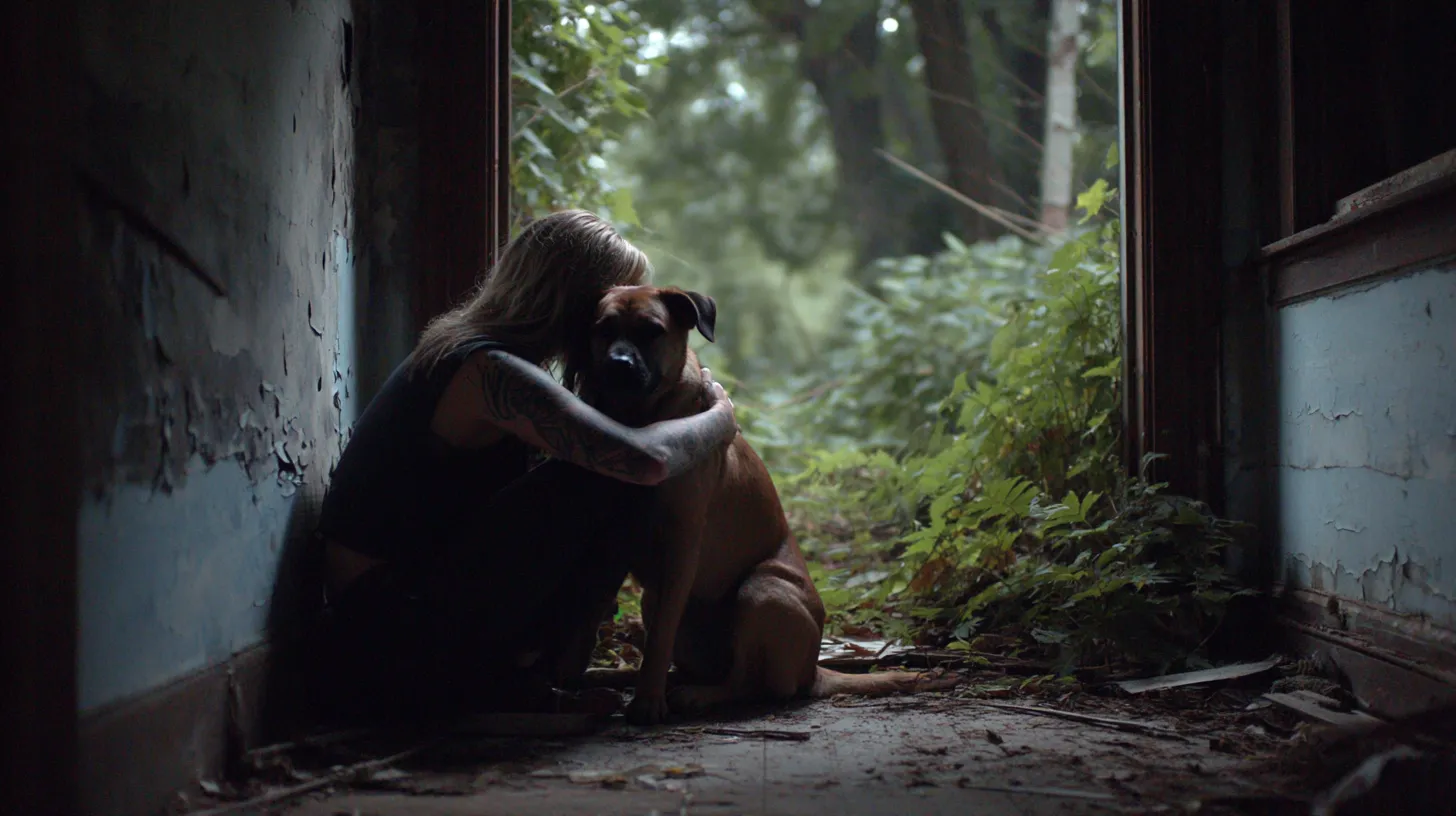
Why These Stories Matter
Abandonment can happen for many reasons—unexpected life changes, medical bills, or behavior challenges. But the journey from street to sofa is rarely accidental. Behind each “happily ever after” is a sequence of small, intentional steps: safe capture, veterinary care, decompression, training, and consistent daily routines. The goal of this article is simple: inspire action with stories, and equip you with a blueprint so more animals get a second chance.
The Rescue Blueprint at a Glance
- Identify and secure safely: Approach low and calm; avoid chasing. Use treats and slip leads; contact local animal services if unsure.
- Scan for ID: Collars can fall off—microchips reunite families fast. Learn why registration matters via the AVMA and ASPCA lost-pet steps.
- Stabilize health & stress: Vet exam, vaccines, parasites, hydration, and a quiet decompression area.
- Structure the comeback: Use a calm daily care routine, predictable feeding, and brief training sessions.
True Rescue Stories You’ll Remember
1) “Willow Under the Bridge” — From Shivers to Shy Smiles
Willow, a small mixed-breed dog, was found trembling under a bridge during a cold snap. A volunteer knelt down, tossed soft treats, and waited. No chasing—just patience. Once secured, Willow was scanned for a microchip (none found) and seen by a vet. The foster family used Trust & Reset principles: a quiet room, predictable mealtimes, and hand-targeting games to build confidence. Two weeks later, Willow greeted visitors with a cautious tail wag and accepted a gentle scratch. A month after that, she was adopted—forever.
What turned the tide
- Soft capture and immediate vet care
- Short training bursts using clicker training
- Noise management and enrichment (snuffle mats, stuffed chews)
- Targeted behavior support from a trusted local trainer for first greetings
2) “Maple and the Mailbox” — A Cat Finds Her Circle
Maple appeared each night beneath the same mailbox. A nearby family set up a camera and food station, posted on neighborhood pages, and spoke with local rescues. After a gentle capture, Maple began a slow re-intro to home life: a quiet room, vertical space, and play-hunt-eat-sleep cycles. Litter training refreshed quickly with covered boxes and low-dust litter. For cat-specific health questions, the family leaned on a vet and practical resources like kitten nutrition basics and the AVMA cat-care library.
Kitty comeback checklist
- Quiet “sanctuary room” with hiding options and vertical perches
- Timed wand-toy play before meals to channel instincts
- Gradual introductions to household members; end sessions on success
3) “Bruno’s Second Start” — When Energy Meets Structure
Bruno, a young shepherd mix, bounced out of three homes due to “too much energy.” A rescue matched him with adopters who valued structure. The plan: morning sniff-walks, puzzle feeders, and cue refreshers from Dog Obedience: Sit, Stay, Come. Barking at the door became “go to mat and breathe,” reinforced with the techniques in Stop Dog Barking Fast. Six weeks later, Bruno was still high-octane—but now happily employed with training games and scent work.
From Street to Sofa: A Practical Roadmap
| Stage | Goal | Actions | Helpful Links |
|---|---|---|---|
| Secure & ID | Safe capture and quick identification | Use calm approach; scan for microchip; post clear photos | ASPCA: Find a Lost Pet |
| Medical | Stabilize and prevent disease | Exam, vaccines, deworming, parasite control | AVMA: Vaccinations |
| Decompression | Lower stress to speed learning | Quiet space, predictable routine, gentle handling | Daily Pet Care Routine |
| Behavior | Build trust & skills | Short sessions, positive reinforcement, crate as a safe den | Crate Training Steps |
| Adoption | Right match, right support | Foster-to-adopt trials; trainer consults; follow-ups | Petfinder: How to Adopt |
The “Hope Curve” of a Rescue (Simple SVG Graph)
Progress is rarely linear, but patterns help. This lightweight visual shows how calm routines and training raise well-being over time. Week 1 Week 8+ Well-Being Improves with Routine + Training
Daily Life After Rescue: Small Habits, Big Wins
- Structure the day: Mealtimes, naps, and short training blocks reduce anxiety. See Daily Pet Care Routine.
- Nutrition matters: Transition foods gradually; tailor for age and activity using Top Nutrition Tips.
- Grooming is bonding: Brushing and gentle handling build trust; learn techniques in Best Grooming Tips.
- Season-smart care: Heat, cold, and pests change routines—plan with Seasonal Pet Care and Hygiene Tips.
- When behavior blips show up: Redirect energy with enrichment, and revisit fundamentals in Puppy Training at Home or Train an Aggressive Dog Safely.
Choosing Your Next Best Friend (Without Guesswork)
Rescues come in all shapes and temperaments. The trick is to match energy, lifestyle, and expectations. Explore helpful roundups while staying open to wonderful mixed breeds and seniors:
- Low-Maintenance Pet Breeds | Most Intelligent Dog Breeds
- Friendly Dog Breeds for Kids | Best Guard Dog Breeds
- Popular Cat Breeds for Apartments | Blue-Eyed Cat Breeds
Fast Fix Library (Common Post-Rescue Hurdles)
- Barking at doors or guests? Practice calm-mat and quiet-cue work from Stop Dog Barking Fast.
- Mouthing and nipping? Use bite-inhibition drills in Stop Puppy Biting Fast.
- House-soiling setbacks? Reset schedules with Potty Train Your Puppy Fast.
- Night restlessness? Align naps and feeding using Puppy Sleep Schedule.
- Need hands-on help? Book a pro via Find Best Local Dog Trainer Nearby.
Adoption Momentum: How You Can Help Today
Fosters and adopters are the engine of rescue. Even if you can’t adopt now, you can fuel the mission.
Ways to move the needle
- Foster short-term to free shelter space and collect behavior notes.
- Share adoptable pet profiles on neighborhood platforms.
- Donate supplies or sponsor a spay/neuter slot.
- Volunteer transport for vet visits or adoption events.
Get inspired with more feel-good reads: Heartwarming Dog Rescue Stories, Unbelievable Cat Stories, and Inspiring Pet Adoption Stories.

Frequently Asked Questions
How do I tell if a roaming dog or cat is truly abandoned?
Check for a tag, scan for a microchip at any vet or shelter, and post a found notice with a clear photo and location. If the animal appears injured or fearful, contact animal services or a rescue before attempting capture.
What should I prepare before adopting a rescued pet?
Secure the home, gather essentials (collar/ID, crate/carrier, bowls, food, bed, safe chews), and set a simple schedule. Start with the New Puppy/Kitten step-by-step guide and avoid pitfalls with 10 Common Pet Care Mistakes.
What if the rescued pet struggles with behavior?
Revisit decompression and reinforce basics: crate training, clicker games, and obedience cues. If safety is a concern, consult a local trainer promptly.
Keep Learning: Hand-Picked Guides
- Ultimate Guide to Pet Care | Home Remedies (Vet-Approved)
- Puppy Training at Home | Online vs In-Person Training
- Senior Pet Care | Grooming Tips
- Funny Pet Stories | Viral Emotional Pet Reunions
Abandonment is not the end of a story. With calm steps and the right support, it’s often the beginning of a better one. If you’re ready to help the next Willow, Maple, or Bruno, start with a routine, ask for expert hands when needed, and keep showing up. That’s how hope finds a home.