Kitten Nutrition and Food Guide: Feeding for Healthy Growth
Meta Description: Discover the best kitten food and nutrition tips to support your kitten’s healthy growth, from first meals to complete balanced diets.
Feeding your kitten the right food during its early months is one of the most important steps for ensuring lifelong health and vitality. The first year of a cat’s life is a period of rapid growth, and the right diet provides the essential nutrients, proteins, and fats needed for strong muscles, bones, and immune development.
Understanding Kitten Nutritional Needs
Unlike adult cats, kittens require more calories and a higher concentration of protein, fat, and vitamins to fuel their fast metabolism. An optimal kitten diet must include:
- High-quality protein: For muscle and tissue development.
- Essential fatty acids: To support brain and vision growth.
- Calcium and phosphorus: For bone and teeth strength.
- Vitamin E and taurine: To maintain a healthy immune system and heart.
Commercial kitten food formulas are designed to provide this precise balance, ensuring proper growth without nutritional gaps.
Wet vs. Dry Kitten Food: Which Is Better?
Both wet and dry kitten foods have their benefits, and combining them often gives the best results. Here’s a quick comparison:
| Type | Benefits | Considerations |
|---|---|---|
| Wet Food | High moisture content, easier to chew, great for hydration. | Can spoil quickly once opened, higher cost. |
| Dry Food | More convenient, promotes dental health, longer shelf life. | Lower moisture content, may require additional water intake. |
Most veterinarians recommend mixing wet and dry foods to provide a balanced diet that supports hydration and dental health simultaneously.
Feeding Schedule by Kitten Age
The right feeding schedule changes as your kitten grows. Use the guide below to determine how often and what type of food your kitten needs:
| Age | Feeding Type | Frequency |
|---|---|---|
| 0–4 weeks | Kitten formula milk only | Every 2–3 hours |
| 4–8 weeks | Soft wet food mixed with formula | 4 times daily |
| 2–6 months | High-protein wet and dry kitten food | 3–4 times daily |
| 6–12 months | Balanced dry and wet kitten food | 2–3 times daily |
Best Ingredients to Look for in Kitten Food
When choosing the best kitten food, always read the ingredient list. Avoid fillers like corn and soy, and look for:
- Real meat (chicken, turkey, or fish) as the first ingredient
- Natural animal fats for energy
- Added DHA and taurine for brain and eye development
- No artificial preservatives or colorings
Brands that follow the AAFCO nutritional standards ensure that your kitten receives complete and balanced meals suitable for growth and health.
Foods to Avoid for Kittens
Some human foods can be toxic or dangerous to kittens. Never feed your kitten:
- Onions, garlic, or chives
- Chocolate and caffeine
- Alcohol or raw dough
- Raw fish or meat (risk of bacteria and parasites)
- Cow’s milk (may cause digestive upset)
Hydration: Don’t Forget Water
Even though wet food helps with hydration, kittens still need access to fresh, clean water at all times. You can encourage drinking by using a pet water fountain, as many cats prefer running water.
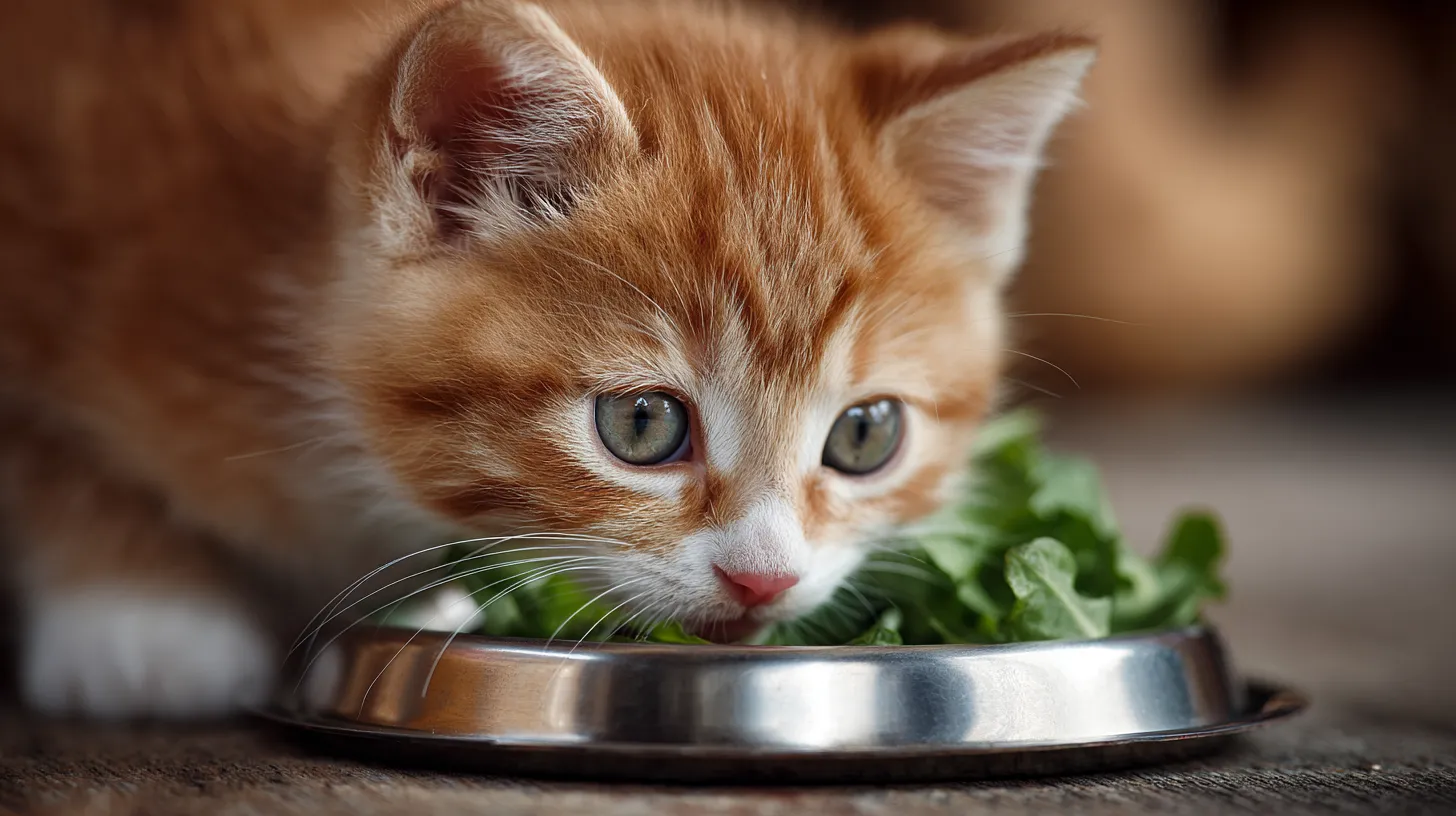
Image: Healthy Kitten Enjoying Balanced Meal
Transitioning from Kitten to Adult Food
At around 12 months, your kitten becomes a young adult. Gradually switch from kitten food to adult cat food over 7–10 days to prevent digestive upset. This ensures your cat continues to thrive with stable energy levels and ideal body weight.
Signs of Good Nutrition in Your Kitten
Here’s how to know your kitten’s diet is working well:
- Shiny, soft coat and clear eyes
- Steady weight gain and strong bones
- Consistent energy and playful behavior
- Normal stool consistency (not too hard or soft)
Helpful Internal Kitten Guides
- Ultimate Kitten Care Guide
- New Kitten Essentials Checklist
- How to Litter Train a Kitten Fast
- Why Is My Kitten Sleeping So Much?
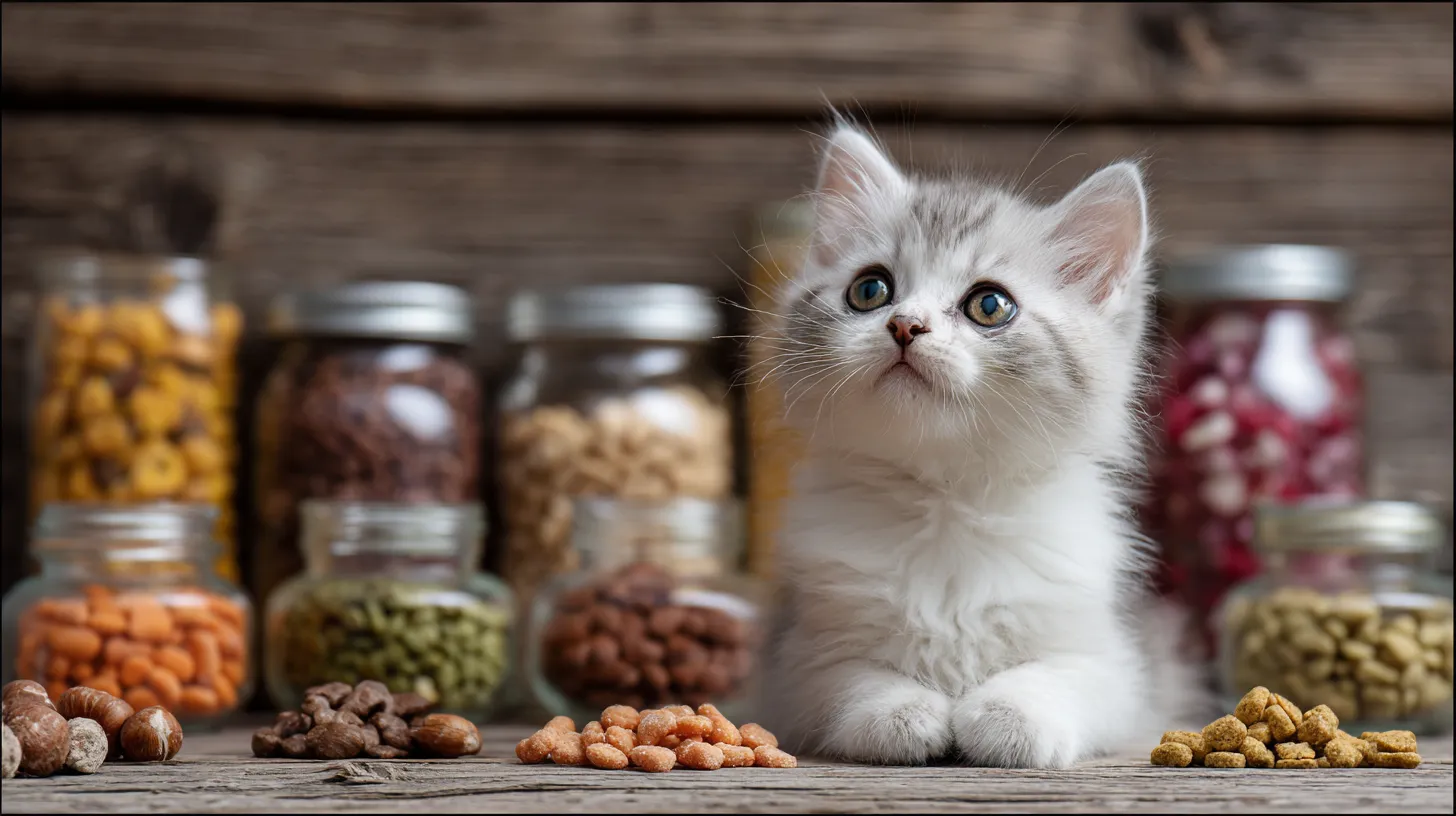
Image: Kitten Food Variety Table
Conclusion: Building Healthy Eating Habits for Life
A kitten’s diet forms the foundation for lifelong health. By choosing high-quality kitten food rich in proteins, fats, and essential vitamins, and maintaining a consistent feeding routine, you give your kitten the best start possible. Always monitor appetite, weight, and activity levels — and consult a vet if you notice sudden changes in eating habits.
For more tips and step-by-step guides, visit Furxie.com, your trusted source for kitten care, behavior, and nutrition advice.