Clicker Training for Dogs: Simple, Proven Steps
Meta Description: Learn clicker training fast—charge the clicker, mark behaviors, shape skills, and solve real-life issues using positive reinforcement.
Clicker training turns great timing into a superpower. By pairing a crisp click (a “marker”) with immediate rewards, you can teach behaviors faster, reduce confusion, and build a confident learner who loves training. This practical guide explains how clicker training works, how to “charge” the clicker, step-by-step exercises, troubleshooting, and everyday applications—from house manners to loose-leash walking and barking control. You’ll also find tables, printable routines, and pro tips for better timing and treat fading.
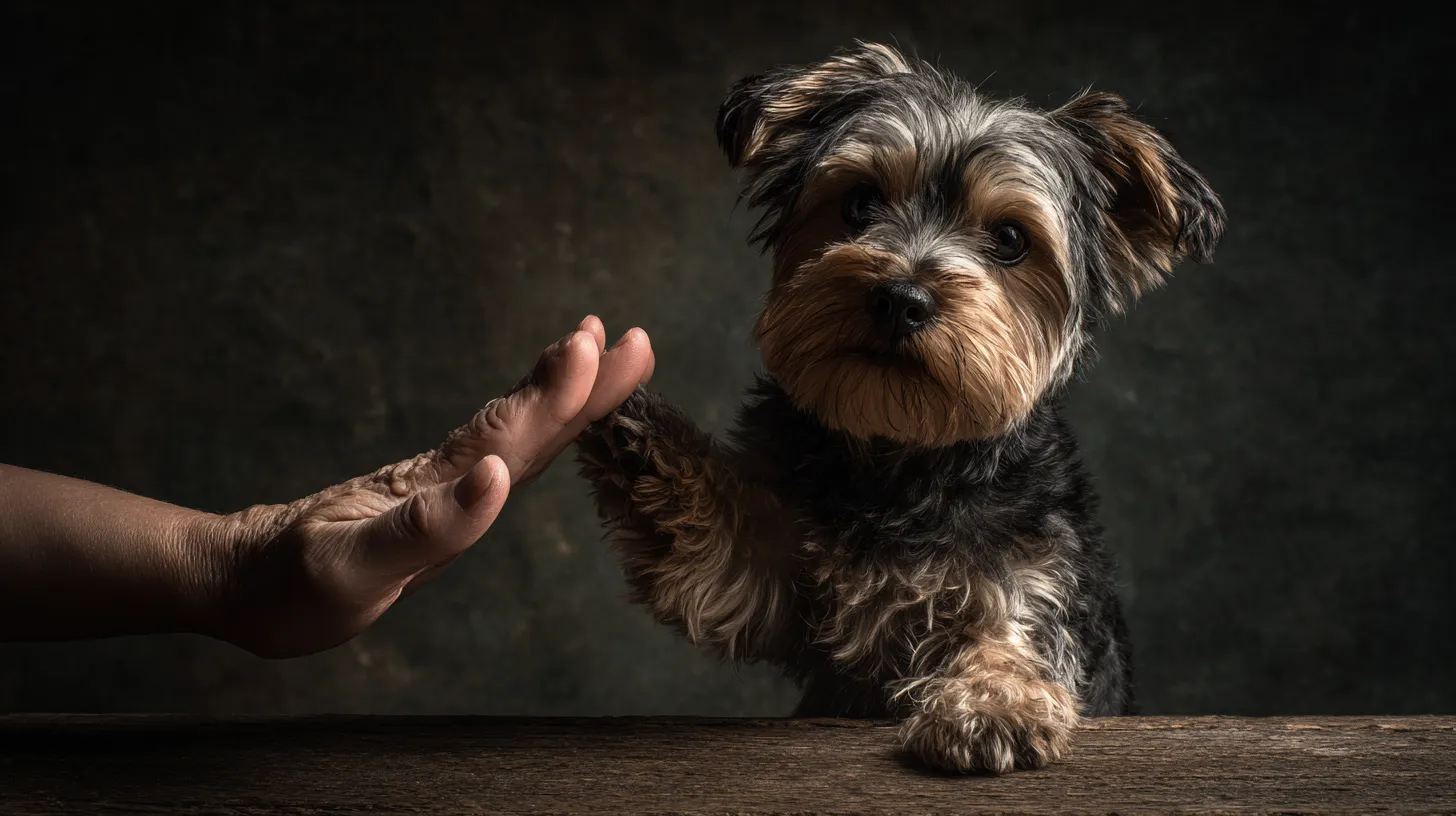
What Is Clicker Training?
Clicker training is a form of marker-based positive reinforcement. The click sound precisely marks the instant your dog does the right thing (sit, look at you, touch a target, leave a sock, etc.). You then deliver a tiny reward. That two-step loop—click → treat—helps your dog learn exactly which behavior earned reinforcement.
- Click = “You did it!” The sound is consistent and neutral, so it’s clearer than voice praise.
- Treat = reinforcement that makes the behavior more likely next time.
- Result: faster learning with less frustration and stronger confidence.
New to home training? Start with foundation skills in Puppy Training at Home: Complete Guide and add clicker work to each daily session.
Why Positive Reinforcement Wins
- Clear communication: the marker pinpoints the exact moment of success.
- Better bond: dogs choose to engage because training is predictable and rewarding.
- Reduced fallout: avoids fear, shutdown, or aggression linked to harsh punishments.
- Faster progress: easy to split complex skills into tiny “shaped” steps.
For behavior-science background, see the AVSAB position statements and the APDT resource center.
Gear You’ll Need
- A handheld clicker (or a distinct verbal marker like “Yes!” if you prefer).
- Tiny, soft treats (pea-sized) or meal kibble for easy reps.
- Treat pouch for quick delivery.
- 6–10 ft leash and a quiet training area to start.
- Crate/pen for management between sessions—see Crate Train Your Puppy: Easy, Fast Steps.
How to “Charge” the Clicker (Condition the Marker)
- Click → Treat: Click once, feed a tiny treat. Repeat 10–20 times at an easy pace.
- Test: Pause, then click. If your dog snaps to attention expecting food, the marker is charged.
- Keep it clean: One click = one treat. Avoid accidental double-clicks.
Golden Rules for Timing & Mechanics
- Click the behavior, feed the position: Mark the exact moment you want, then deliver the treat where you want the dog to be (e.g., near your left leg for heel).
- Keep sessions short: 30–90 seconds, several times per day.
- Raise criteria slowly: If your dog fails twice, make it easier.
- End on a win: Finish while your dog still wants more.
Core Skills You Can Teach with a Clicker
| Behavior | Step-by-Step Outline | When to Use |
|---|---|---|
| Name Response | Say name → dog glances at you → click → treat. Add mild distractions over time. | Focus around the house, on walks, and before cues. |
| Sit | Lure nose up/back → hips drop → click → treat at chest. Fade lure to hand signal, then cue “Sit.” | Default polite behavior for greetings or doorways. |
| Down | Lure to floor between paws → elbows touch → click → deliver treat on ground. | Relaxation, stationing at cafés, impulse control. |
| Touch (Target) | Present hand target → nose boops → click → treat. Add distance & movement. | Recall booster, redirection from distractions. |
| Leave It | Cover treat in fist → dog backs off/makes eye contact → click → reward from other hand. | Socks, food on floor, wildlife, litter. |
| Loose-Leash Walk | Dog’s head near your knee → click → treat by thigh. Sprinkle frequent marks for position. | Comfortable walks; reduces pulling. |
Shaping 101: Turn Tiny Tries into Big Skills
Shaping means rewarding successive approximations of a final behavior. For example, to teach “go to bed,” click for glancing at the mat, then stepping toward it, placing one paw, two paws, standing on it, and finally lying down. The click tells your dog, “That step counts—do more like that.”
Shaping pairs well with home management and crate routines during potty training—see How to Potty Train Your Puppy Fast and general schedules in Daily Pet Care Routine.
Step-By-Step: A 7-Day Clicker Plan
- Day 1: Charge the clicker; teach Name Response and Touch (10–15 clicks total).
- Day 2: Sit with treat placement; add brief “stay” by clicking for 1–2 seconds of stillness.
- Day 3: Down on a mat; begin shaping “Go to Bed.”
- Day 4: Leave It with low-value item; reinforce eye contact and backing away.
- Day 5: Loose-leash foundations indoors: click near-knee position every 2–3 steps.
- Day 6: Add mild distractions (new room, backyard). Keep criteria modest.
- Day 7: Short field trip (quiet sidewalk). Keep reps easy and pay generously for focus.
Reinforcement Strategy & Treat Fading
- Start dense: every success gets a click and treat (continuous reinforcement).
- Then thin: when behavior is reliable, switch to variable reinforcement (not every time).
- Blend rewards: mix food with praise, play, sniff breaks, and life rewards (greeting a friend, hopping in the car).
Real-Life Applications
Barking Solutions
Mark and reward quiet or check-in behaviors before barking escalates. Pair management (frosted film on windows, white noise) and calm stations. For a full protocol, see Stop Dog Barking Fast: Proven Methods.
Crate & Calm
Click for approaching the crate, touching it, stepping in, then settling on a chew. Short, positive reps prevent whining and help with potty training; reference Crate Train Your Puppy.
Puppy Foundations
Use clicker games to teach name response, handling, and polite greetings. Blend with the routines in Puppy Training at Home: Complete Guide and Puppy Vaccination Schedule.
Session Template (Print This)
| Segment | Time | Goal | Notes |
|---|---|---|---|
| Warm-up | 30s | Name → eye contact | 3–5 clicks |
| Main Behavior | 45–60s | Sit/Down/Touch/Heel | 5–10 clicks |
| Easy Win | 15–30s | Touch or Hand Target | End on success |
Common Mistakes & Fixes
- Late clicks: If the timing is off, click and treat anyway (keep the marker honest), then lower criteria and try again.
- Multiple clicks per rep: One click = one treat. If you double-click, pay twice and reset.
- Rewarding the wrong thing: Deliver treats where you want the dog to be (e.g., by your left leg for heel) to “magnetize” position.
- Sessions too long: Keep them short; sprinkle through the day.
- Skipping management: Training is easier with rest, potty breaks, and chew outlets. See Home Remedies for Common Pet Problems and Grooming Tips for holistic care.
Health & Welfare Notes
Sudden behavior changes may signal pain, GI upsets, or stress. Coordinate with your veterinarian. For seniors or special diets, review Senior Pet Care and nutrition basics in Top Nutrition Tips.
When to Hire a Pro
If reactivity, aggression, or anxiety complicates training, work with a credentialed trainer. Start your search with Find Best Local Dog Trainer Nearby. Keep practicing core skills with the structured plans in Puppy Training at Home.
Trusted External Resources
FAQ: Clicker Training & Positive Reinforcement
Do I always need the clicker?
No. Use it to build precision and speed at first, then you can fade to a verbal marker or occasional praise once behaviors are reliable.
What if my dog is scared of the click?
Wrap the clicker in a towel or use a quiet “button” clicker. Or switch to a verbal marker like “Yes!” and keep treats flowing.
How fast should I fade treats?
Once a behavior is fluent in a given context, switch from every success to intermittent rewards and add life rewards (sniffing, greeting). Keep surprise jackpots to maintain motivation.
Helpful Furxie Guides (Internal Links)
- Stop Dog Barking Fast: Proven Methods
- Crate Train Your Puppy: Easy, Fast Steps
- Puppy Training at Home: Complete Guide
- Potty Training a Puppy
- Best Toys & Chews for Teething Puppies
- Stop Puppy Biting Fast
- Find Best Local Dog Trainer Nearby
Official site: Furxie.com