Biggest Pet Care Mistakes to Avoid for a Healthier Pet
Meta Description: Discover the 10 most common pet care mistakes every owner should avoid. Learn how to improve your pet’s health, training, and happiness effectively.
Owning a pet is a joyful and rewarding experience, but even the most loving owners can make mistakes that affect their pet’s well-being. From feeding errors to neglecting exercise, small oversights can lead to major health or behavioral problems. In this guide on common pet care mistakes, we’ll explore the top 10 pitfalls that pet owners should avoid to ensure a long, healthy, and happy life for their furry companions.
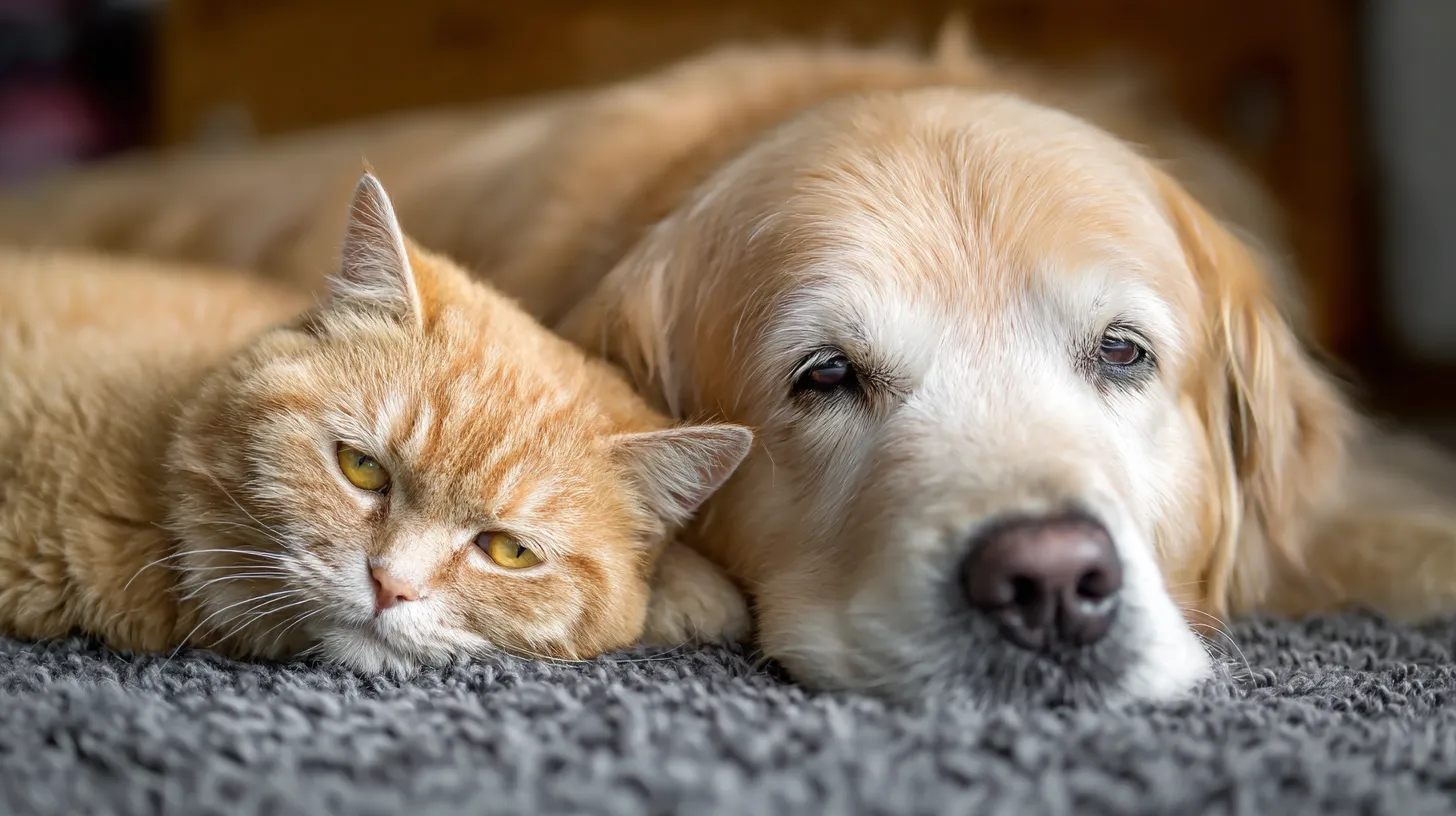
1. Skipping Regular Veterinary Checkups
One of the biggest mistakes pet owners make is delaying or skipping vet visits. Annual checkups are essential for early detection of diseases, dental issues, and weight management. Even if your pet seems healthy, routine exams ensure long-term well-being.
- Tip: Schedule yearly exams and vaccinations based on your vet’s recommendations.
- Related: Keep your pet’s wellness routine consistent with Ultimate Guide to Pet Care.
2. Overfeeding or Feeding the Wrong Diet
Many owners equate love with food — leading to obesity, diabetes, and digestive issues. Overfeeding or offering human food can cause nutritional imbalances or toxic reactions in pets.
| Pet Type | Common Feeding Mistake | Better Alternative |
|---|---|---|
| Dogs | Too many table scraps | Feed measured portions of high-protein dog food |
| Cats | Feeding only dry kibble | Mix wet and dry food for hydration and balance |
Read more in Best Puppy Food for Growth and Healthy Development and Best Kitten Food & Nutrition Guide.
3. Neglecting Dental Health
Dental hygiene is often ignored until it’s too late. Plaque buildup can lead to infections, tooth loss, or even heart disease. Regular brushing and dental treats can prevent these problems.
- Use vet-approved toothpaste for dogs and cats.
- Schedule annual dental cleanings.
- Provide chew toys — see Best Toys and Chews for Teething Puppies (2026 Guide).
4. Lack of Training and Socialization
Pets that aren’t trained or socialized can develop anxiety, aggression, or destructive habits. Early exposure to new environments and people helps them adapt confidently.
- Dogs: Start obedience training at 8–12 weeks.
- Cats: Encourage gentle handling and play.
- Learn more at How to Socialize a Puppy or How to Socialize a Kitten.
5. Not Providing Enough Exercise
Pets need physical activity to stay fit and mentally stimulated. Lack of exercise can cause obesity, boredom, and behavioral issues. Even low-energy breeds need regular walks and playtime.
- Dogs: 30–60 minutes of daily exercise depending on breed.
- Cats: 15–30 minutes of play with interactive toys.
- Explore outdoor-friendly breeds at Large Dog Breeds Perfect for Active Owners.
6. Ignoring Grooming and Hygiene
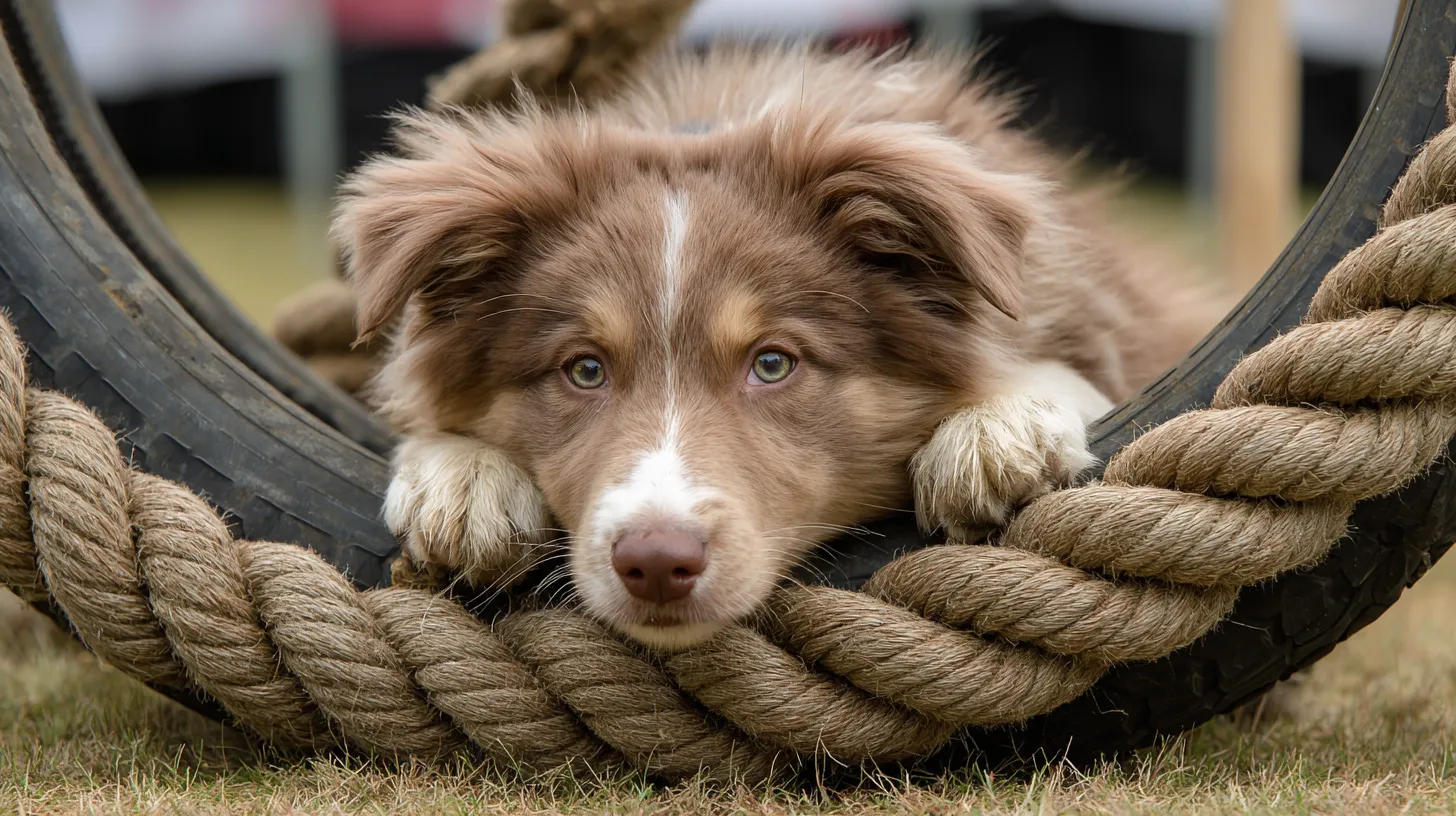
Untrimmed nails, dirty ears, and tangled fur can cause discomfort or infections. Regular grooming improves your pet’s comfort and health.
- Brush your pet weekly to prevent matting.
- Clean ears and eyes gently with pet-safe wipes.
- Check out Small Dog Breeds That Don’t Shed for easier grooming options.
7. Leaving Pets Alone Too Long
Loneliness can cause depression, separation anxiety, and destructive behavior. Pets need companionship, attention, and stimulation to stay happy.
- Set a routine for play and bonding time.
- Consider a pet sitter or daycare for long workdays.
- Choose social breeds from Friendly Dog Breeds That Are Great with Kids and Babies.
8. Delaying Spaying or Neutering
Uncontrolled breeding contributes to overpopulation and may increase health risks such as cancer or infections. Spaying and neutering also improve behavior by reducing aggression and marking.
- Tip: Ask your vet for the ideal age to spay/neuter your pet.
- Learn more in When Should You Spay or Neuter Your Kitten?.
9. Ignoring Behavioral Changes
Pets can’t tell you when they’re unwell, but their behavior often gives clues. A sudden change in appetite, sleep, or energy could signal illness or stress.
- Track your pet’s daily behavior and eating patterns.
- Visit a vet if changes persist for more than a few days.
- Learn about emotional signs in Puppy Sleep Schedule: How Much Sleep Do Puppies Need?.
10. Not Creating a Safe Environment
Many household items can be hazardous to pets — from toxic plants to unsecured windows. Creating a safe space helps prevent accidents and stress.
- Keep chemicals and medications out of reach.
- Secure balconies, cords, and sharp objects.
- For small living spaces, see Most Popular Cat Breeds for Families and Apartments.
Bonus Tip: Lack of Mental Stimulation
Pets, especially intelligent breeds, need brain challenges as much as physical ones. Interactive toys, puzzle feeders, and training games prevent boredom and stress.
- Explore smart breeds in Most Intelligent Dog Breeds Ranked by Experts.
Conclusion
Being a responsible pet owner means learning from common mistakes and prioritizing your pet’s well-being every day. By maintaining proper diet, exercise, grooming, and regular vet visits, you’ll ensure your pet leads a longer, happier, and healthier life. Avoiding these 10 common pet care mistakes is the first step toward becoming the kind of owner your pet truly deserves.
For more expert pet care tips and breed insights, visit Furxie.com and explore helpful guides like Ultimate Guide to Pet Care and Top 10 Dog Breeds in the World (2026 Update).