Obedience Training Made Easy at Home
Meta Description: Teach rock-solid sit, stay, come, heel and more using positive reinforcement and smart practice plans you can do at home.
Reliable obedience isn’t magic—it’s mechanics, timing, and smart practice. In this step-by-step guide you’ll learn exactly how to teach sit, down, stay, come, heel, place, and leave it using positive reinforcement and short, focused sessions. We’ll cover session structure, treat fading, distraction proofing, and real-life problem solving (door dashing, leash pulling, barking). You’ll also find printable tables, quick-fix checklists, and vetted resources to deepen your training.
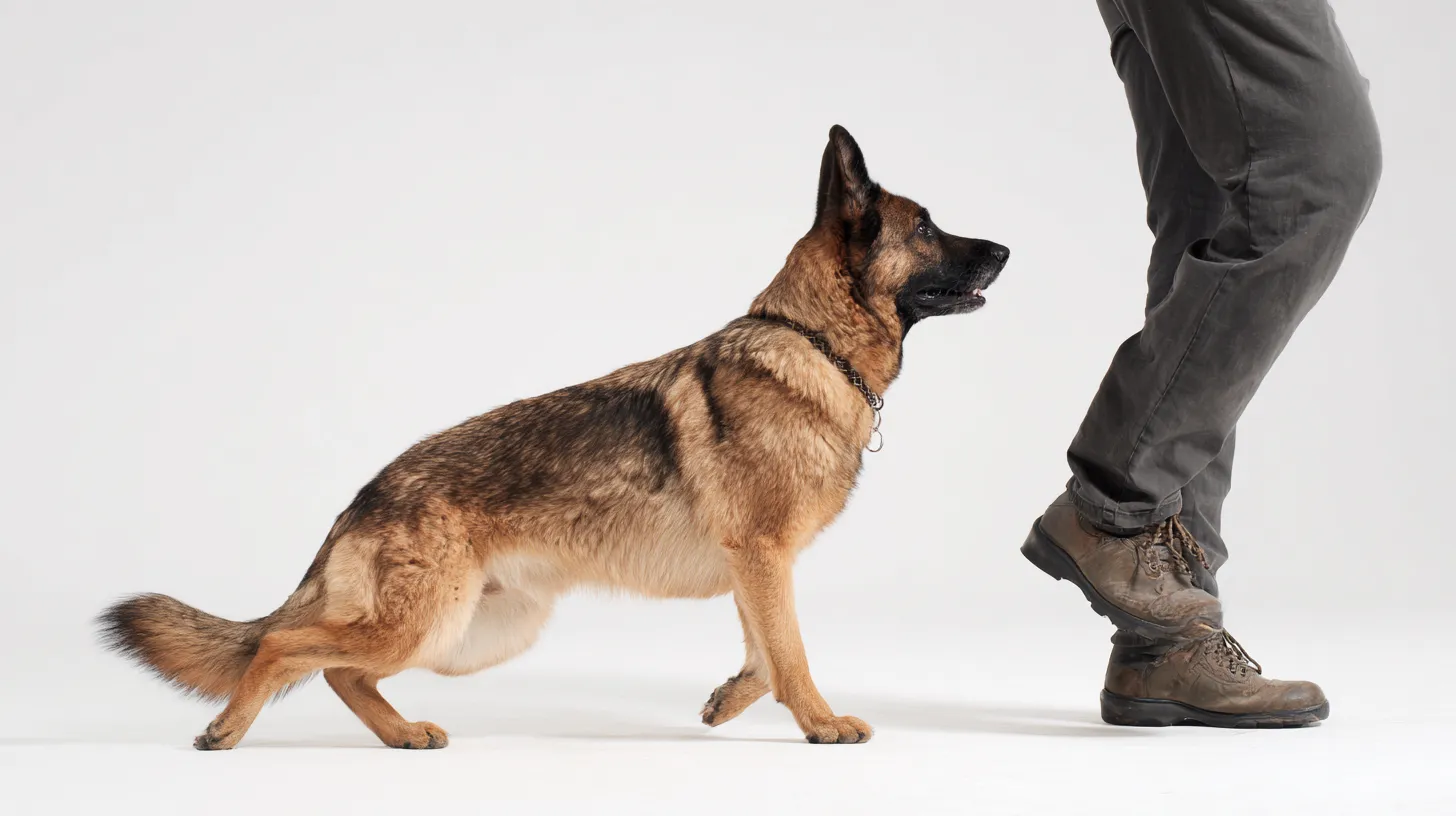
Why Positive Obedience Works Best
Modern obedience focuses on marking and reinforcing what you want, not punishing what you don’t. This approach speeds learning, protects your dog’s confidence, and strengthens your bond.
- Clarity: A marker (click or “Yes!”) pinpoints the exact moment your dog gets it right.
- Motivation: Rewards make useful behaviors your dog’s default choice.
- Low fallout: Less frustration and fear—better long-term behavior.
For the science behind reward-based methods, see the AVSAB position statements and foundational tips from ASPCA behavior resources. New to markers? Start with our Clicker Training for Dogs (Easy Guide).
What You’ll Need
- High-value treats (pea-sized, soft).
- Marker (clicker or “Yes!”).
- Standard leash & flat collar or harness (no retractables while learning).
- Mat or bed for “place.”
- Treat pouch for fast delivery.
- Crate/pen for management between reps (see Crate Train Your Puppy: Easy, Fast Steps).
Session Structure That Builds Success
| Phase | Time | Goal | Reps/Notes |
|---|---|---|---|
| Warm-Up | 30–45 sec | Name → eye contact | 3–5 easy clicks to build momentum |
| Skill Focus | 60–90 sec | One behavior (e.g., Sit-Stay) | 5–10 marked successes, raise criteria slowly |
| Easy Win | 15–30 sec | Touch/Target or Sit | End on success; quick jackpot |
Keep total practice under five minutes, two to four times per day. For an all-day plan, see Daily Pet Care Routine.
Core Obedience Behaviors (Step-by-Step)
Sit (Foundation Focus)
- Lure nose up and slightly back; as hips drop, mark and treat at chest height.
- Repeat until the lure becomes a hand signal; then add the cue “Sit.”
- Build duration by counting “one-one-thousand” before your mark.
Uses: polite greetings, door control, impulse control. Pair with common mistakes to avoid when rewarding.
Down (Relaxation on Cue)
- From sit, draw the treat from nose to ground between paws; elbows touch → mark → treat on the floor.
- Fade the lure to a downward hand sweep; add cue “Down.”
- Reinforce calm, chin-on-paws posture with intermittent rewards.
Stay (Duration + Distraction + Distance)
- Ask for Sit or Down. Count 1–2 sec of stillness → mark → return and treat.
- Add one D at a time:
- Duration: 2 → 5 → 10 → 20 sec.
- Distraction: tiny head turns, foot shuffles, toy on floor.
- Distance: one step back, then two, then a small circle.
- Release word (e.g., “Free!”) ends the behavior.
Come (Reliable Recall)
- Start indoors on a short distance. Say your cue once (“Come!”) when your dog is already moving toward you. Mark the commitment, then pay at your knees with a small treat party.
- Play “Ping-Pong Recall” between two people; keep reps fast and fun.
- Move to a long line outdoors; add distractions gradually.
For a deep dive on off-leash skills and handling outdoor arousal, cross-train with Stop Dog Barking Fast and Puppy Sleep Schedule (rest fuels learning).
Heel (Loose-Leash Walking)
- With treats at your left thigh, step forward. When your dog’s head is beside your knee, mark and feed where you want the head to be.
- Click/treat every 2–3 steps at first; gradually extend to 5–10 steps.
- Add turns and halts; reward position after each change.
Leave It (Impulse Control)
- Closed fist with treat. Dog sniffs/paws? Wait. The moment they back off or make eye contact, mark, reward from the other hand.
- Progress to an open-palm treat, then an item on the floor with a leash for safety.
- Generalize to real-world triggers (food on ground, wildlife, socks).
Place (Go to Bed & Settle)
- Mark any interest in the mat (look → step → stand → down); pay on the mat.
- Add the cue “Place” once your dog gravitates to the mat.
- Build duration with scatter-feeding on the mat and calm chews.
Pair “place” with crate comfort to prevent whining and accidents—see Crate Train Your Puppy and our Potty Train Your Puppy Fast (Step-by-Step).
7-Day Obedience Kickoff Plan
| Day | Primary Skill | Micro-Goal | Notes |
|---|---|---|---|
| 1 | Sit + Name | 5 quick sits with eye contact | Mark early; reward at chest |
| 2 | Down | 3–5 fluent downs on mat | Treat on ground for calm |
| 3 | Stay | 10-sec duration indoors | Add release word |
| 4 | Recall | Fast “Come!” across room | Jackpot first success |
| 5 | Heel | 5 steps at knee indoors | Pay position, not speed |
| 6 | Place | Automatic settle on mat | Chew on mat for duration |
| 7 | Leave It | Open-palm success x5 | Then floor item on leash |
Treat Fading & Real-World Reliability
- Stage 1—Every time: New behaviors get continuous reinforcement.
- Stage 2—Randomize: Once fluent, shift to variable rewards (food, play, praise, life rewards like sniffing).
- Stage 3—Proofing: Add distance, duration, and distractions separately, then together.
Build proofing safely with management. If arousal or frustration spikes, reset with calm crating (see Puppy Training at Home) and meet care basics (Top Nutrition Tips, Grooming).
Fix-It Fast: Common Obedience Problems
My dog ignores “Come” outside
- Use a long line for safety.
- Increase reward value (chicken, tug), reduce distance, and call only once.
- Pay heavily for turning away from distractions; release to sniff as a life reward.
Pulling on leash
- Mark and treat near-knee position every 2–3 steps at first.
- When the leash tightens, stop or make a gentle U-turn, then reinforce position again.
- Combine with calm-focus games and see barking management for reactive triggers.
Breaking stays
- Lower criteria: pick one “D” (duration, distance, or distraction), not all at once.
- Return and reward in position; then release.
- Keep early reps at 2–5 seconds; build slowly.
Over-aroused puppy
- Shorter sessions, more naps (sleep schedule guide).
- Redirect mouthiness with safe chews (teething toys) and use bite inhibition games.
Health & Safety Notes
- Rule out pain if behavior changes abruptly; consult your vet.
- Follow your vaccination schedule before busy public training.
- Use management and hygiene basics for calm, healthy practice environments (pet hygiene).
When to Work with a Professional
For reactivity, resource guarding, or anxiety, partner with a credentialed trainer who uses reward-based methods. Start here: Find Best Local Dog Trainer Nearby. Keep momentum with our Ultimate Pet Care Guide and seasonal planning (Summer & Winter Care).
Trusted External Resources

Internal Guides to Boost Results
- Puppy Training at Home: Complete Guide
- Potty Train Your Puppy Fast
- Stop Dog Barking Fast: Proven Methods
- New Puppy & Kitten Care Guide
- Top Nutrition Tips for Pets
FAQ: Obedience Training
How many sessions per day?
Two to four micro-sessions (1–5 minutes each) beat one long session. End while your dog still wants more.
When do I fade treats?
After a behavior is fluent in one context. Then switch to variable reinforcement and add “life rewards” like sniffing or greeting.
Is a clicker required?
No. A crisp verbal marker (“Yes!”) works if it’s consistent. Clickers can improve timing for beginners—see our clicker guide.
Official site: Furxie.com