Mastering Kitten Bites & Scratches: Proven Techniques
Meta description: Learn gentle, effective methods to stop kitten biting and scratching while strengthening your bond.
Bringing home a lively kitten often means encountering enthusiastic biting and scratching. While this behavior is natural, unchecked biting can lead to frustration, injury, or behavior problems. In this guide, you’ll discover **training techniques that work**, rooted in positive reinforcement, redirection, and consistency. Use these methods to teach your kitten boundaries without harming the bond you share.
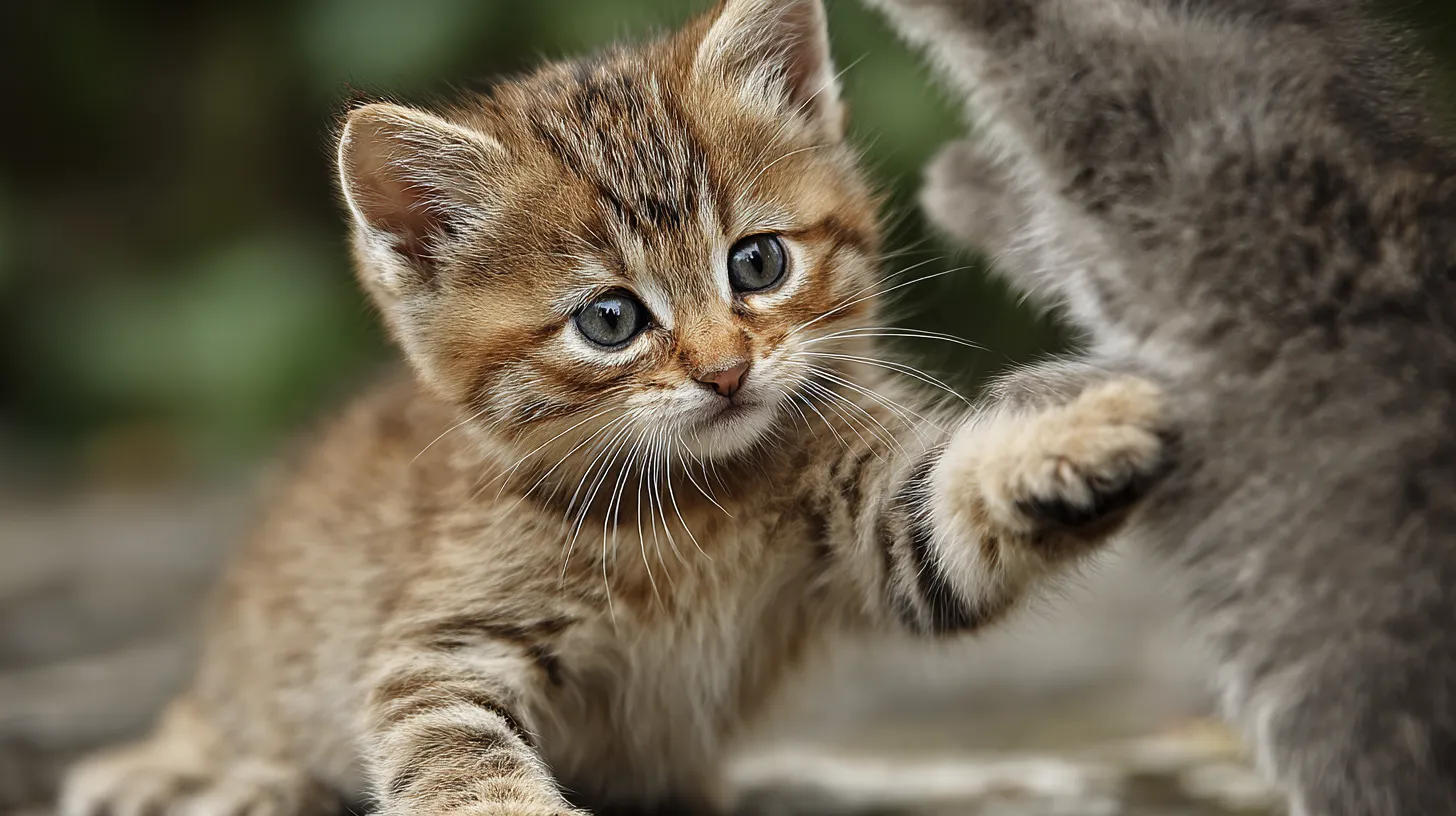
Why Do Kittens Bite and Scratch?
Understanding why your kitten behaves this way is key to helping them change. Common causes include:
- Play / predatory instincts: Kittens naturally stalk, pounce, and bite as part of play. :contentReference[oaicite:0]{index=0}
- Teething discomfort: Between ~2–6 months, kittens may chew or bite to relieve gum irritation. :contentReference[oaicite:1]{index=1}
- Lack of bite inhibition: If separated from littermates too early, kittens may not learn gentle play. :contentReference[oaicite:2]{index=2}
- Overstimulation: Petting or play may escalate into biting if they become overly aroused. :contentReference[oaicite:3]{index=3}
- Unmet energy / boredom: A kitten with excess energy may use you as an outlet. :contentReference[oaicite:4]{index=4}
Core Principles of Training
These foundational principles guide the techniques below:
- Consistency: All humans interacting with the kitten must respond in the same way to biting events.
- Immediate feedback: The response (or lack thereof) must occur right when the kitten bites or scratches so the lesson associates with the act.
- No physical punishment: Hitting, yelling, or using deterrents like spray bottles often damage trust and backfire. :contentReference[oaicite:5]{index=5}
- Redirection & reward: Guide the kitten toward acceptable alternatives rather than just scolding behavior. :contentReference[oaicite:6]{index=6}
- Manage environment & enrichment: Provide mental and physical outlets for natural instincts. :contentReference[oaicite:7]{index=7}
Effective Techniques to Stop Biting & Scratching
1. Use a firm “ouch” or “no” + disengage
When your kitten bites during play, let out a short, sharp “ouch” (not loud or frightening), then stop interaction immediately. Turn away or get up and leave the room for 20–30 seconds. This teaches that biting ends play. :contentReference[oaicite:8]{index=8}
2. Redirect to toys / appropriate items
Immediately present a toy—wand, feather teaser, stuffed kicker—so the kitten can bite and scratch safely. In many training systems, this is called redirecting the behavior. :contentReference[oaicite:9]{index=9}
3. Clicker / positive reinforcement training
Use a clicker (or marker word) to reward calm behaviors and gentle play. For example:
- Click + reward when the kitten plays without using claws or teeth.
- Click when the kitten touches (not bites) a toy or target stick. :contentReference[oaicite:10]{index=10}
- Fade treats gradually once behavior is established.
4. Encourage bite inhibition through play with littermates or supervised playdates
If possible, kittens learn to moderate their bite force when playing with siblings — they learn social signals such as when a bite is too hard. If your kitten is an only pet, supervised playdates or using interactive toys that simulate “give back” behavior can help. :contentReference[oaicite:11]{index=11}
5. Structured play & energy management
Plan 2–4 short interactive sessions per day (5–10 minutes each) using wand toys or chase games that mimic hunting: stalk, chase, pounce, “kill.” After play, follow with a small meal or treat to satisfy the hunt cycle. :contentReference[oaicite:12]{index=12}
6. Limit overstimulation & respect body language
Learn your kitten’s signals that play or petting is becoming too intense—tail flicking, dilated pupils, tensed body. Stop interaction at the first sign. :contentReference[oaicite:13]{index=13}
7. Use deterrents sparingly, with caution
Some trainers suggest brief, safe deterrents (e.g. breaking eye contact, moving away). But avoid sprays, loud noises, or pinching—they often confuse or frighten kittens. :contentReference[oaicite:14]{index=14}
When Biting & Scratching Persist
If aggressive behavior persists despite consistent training, consider:
- Visit a veterinarian to rule out pain, illness, or dental issues.
- Work with a certified cat behaviorist or trainer for personalized guidance.
- Use behavior modification plans with gradual steps and professional support.
Training Timeline & Expectations
| Timeframe | Goal | Notes |
|---|---|---|
| Week 1 | Stop hand play; establish toy redirection | Every biting incident triggers “ouch” + pause |
| Weeks 2–3 | Reinforce calm, gentle play | Clicker or treat reward for non-biting interactions |
| Weeks 4–6 | Reduced biting frequency | Slowly phase out frequent treats |
| 2+ months | Habitual gentle behavior | Maintain consistency, monitor setbacks |
Integrating with Existing Furxie Content
To strengthen internal SEO and provide more value, you should interlink this article with related posts on your site. Here are suggested anchor-text integration ideas:
- “Kitten care basics” → Ultimate Kitten Care Guide
- “Litter training” → How to Litter Train a Kitten Fast
- “Grabbing essentials for a new kitten” → New Kitten Essentials Checklist
- “Excessive sleep patterns” → Why Is My Kitten Sleeping So Much?
- “Proper kitten nutrition” → Best Kitten Food & Nutrition Guide
- “Health checks for biting issues” → Common Kitten Health Problems
- “Social development” → How to Socialize a Kitten
Summary & Final Tips
Training your kitten not to bite or scratch is a process requiring patience, consistency, and empathy. Focus less on punishment and more on teaching what is acceptable. Use redirection, rewards, and clear communication. Over time, your kitten will learn boundaries — and you’ll both enjoy a healthier, safer relationship.
— Happy training from the team at Furxie.com