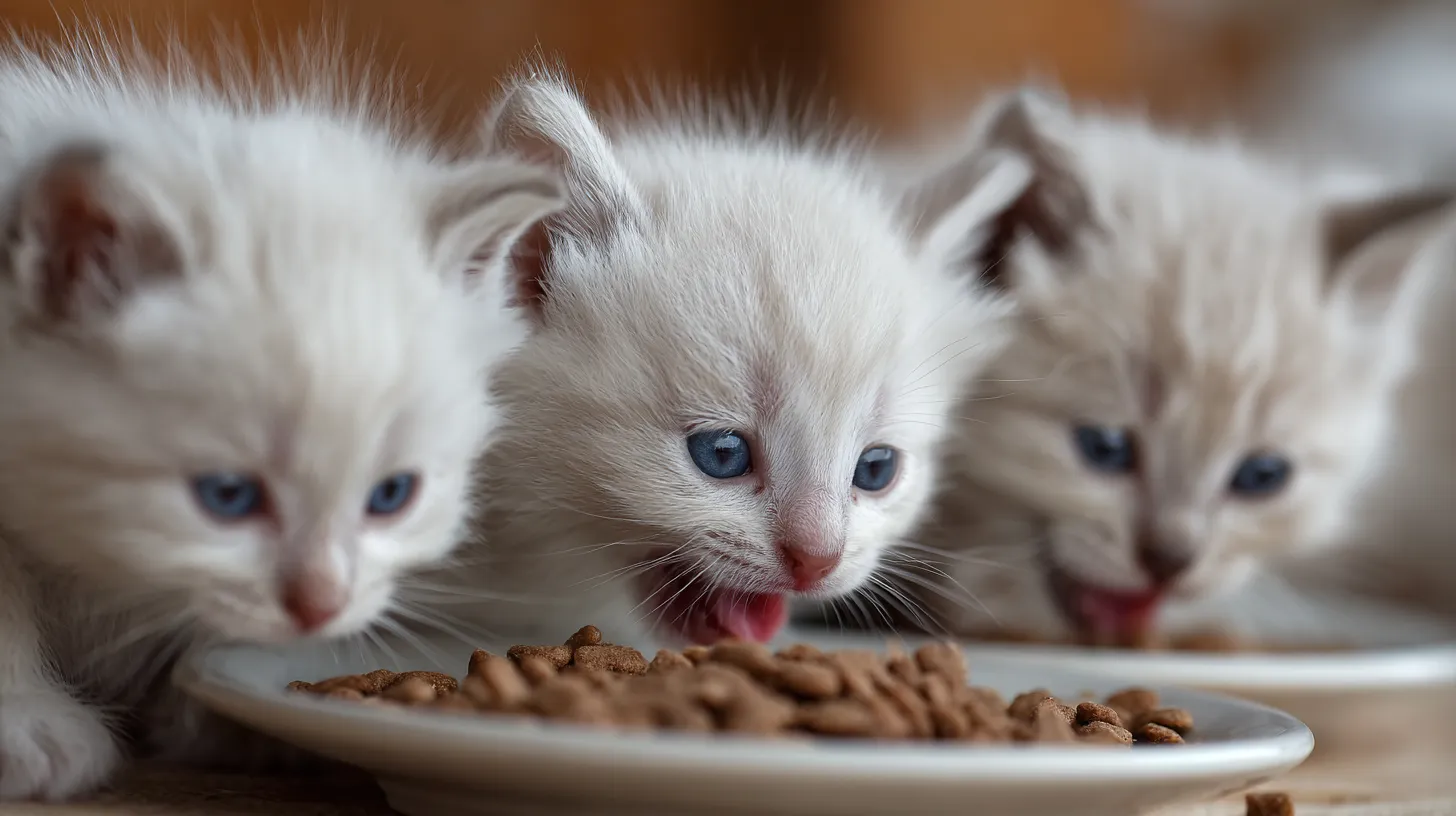
Step-by-Step Kitten Care (0–6 Months)
Meta description: Learn step-by-step kitten care—setup, feeding, litter training, vaccines, grooming, and socialization to raise a healthy, happy kitten.
Welcoming a kitten is exciting—yet those first weeks matter enormously. This clean, practical guide walks you through every step, from preparing your home and choosing the right food to scheduling vaccines, mastering litter training, and building healthy habits that last a lifetime. Bookmark it and follow along at your own pace.
For cute inspirations and tips, explore the official website FURXIE.com.
1) Prepare Your Home: Safe, Calm, and Kitten-Proof
Create a quiet “base camp” room for the first few days. A controlled space reduces stress, speeds litter training, and makes bonding easier.
Kitten-Proofing Checklist
- Secure cords, blind strings, and small objects that can be swallowed.
- Remove toxic plants (e.g., lilies), chemicals, and human meds from reach.
- Close gaps behind appliances; add window screens; keep lids closed.
- Provide vertical options (a shelf or cat tree) and a covered hideaway.
Starter Supplies (Essentials)
- Shallow litter box + unscented, non-clumping litter.
- Two bowls (ceramic or stainless steel) and fresh water.
- High-quality commercial kitten food (wet and/or dry).
- Cozy bed/blanket, carrier, scratching post, feather wand, soft toys.
- Grooming kit: soft brush, kitten-safe nail clippers, finger toothbrush.
Pro Tip
Set up two litter boxes if your home has multiple floors. Keep the box far from food/water.
2) The First 72 Hours: Routine, Comfort, Vet Plan
Keep the environment predictable: same feeding times, same play blocks, and short, positive interactions. Book an initial veterinary exam to discuss vaccinations, deworming, microchipping, and spay/neuter timing.
What Your Vet May Cover
- General health check, weight, hydration, and parasite screening.
- Vaccine roadmap (FVRCP, rabies; FeLV as indicated).
- Nutrition targets and ideal growth rate.
- Behavior and socialization milestones.
Learn how to prepare for the first appointment with reputable guides from ASPCA Cat Care, International Cat Care, and RSPCA.
3) Feeding Your Kitten: What, When, and How
Kittens grow rapidly and need calorie-dense, complete, and balanced kitten food. Wet food supports hydration; dry food can aid dental conditioning when used appropriately. Always read labels and follow your vet’s guidance.
Age-Based Feeding Overview
| Age | What to Feed | Frequency | Notes |
|---|---|---|---|
| 0–4 weeks | Queen’s milk or kitten milk replacer (KMR) | Every 2–3 hours (neonates) | Never cow’s milk; keep warm; stimulate elimination if orphaned. |
| 4–8 weeks | Moistened kitten food (gruel) + gradual weaning | 4–6 small meals/day | Transition from formula to solid; watch weight and stool quality. |
| 8 weeks–6 months | Complete & balanced kitten food (wet/dry) | 3–4 meals/day | Provide fresh water in a quiet, separate location. |
Hydration & Treats
- Place water bowls away from litter and away from food to encourage drinking.
- Treats <10% of daily calories—avoid garlic, onion, chocolate, alcohol, xylitol.
For labeling basics and nutrition science, see FDA: Pet Food Labels and WSAVA Global Nutrition Guidelines.
4) Litter Training That Sticks
Kittens are naturally inclined to bury waste. Success depends on accessibility and cleanliness.
- Location: Quiet, easy to reach, one box per kitten + one extra.
- Substrate: Unscented, fine-grain litter; avoid dust and strong perfumes.
- Cleaning: Scoop daily; wash box weekly with mild, unscented soap.
- Encouragement: Place kitten in box after meals/nap; reward calm exploration.
If Accidents Happen
Use enzymatic cleaners; avoid harsh smells that deter box use. Rule out medical causes (UTI, GI upset) with your vet if problems persist.
5) Vaccines, Parasite Control, and Vet Schedule
Follow your veterinarian’s plan based on age, lifestyle, and local regulations.
| Age | Core Care | Notes |
|---|---|---|
| 6–8 weeks | FVRCP (1), deworming | Discuss FeLV testing if risk factors exist. |
| 10–12 weeks | FVRCP (2), FeLV (1 as indicated) | Flea/parasite prevention plan begins. |
| 14–16+ weeks | FVRCP (3), Rabies (per law), FeLV (2) | Microchip and spay/neuter planning. |
For evidence-based frameworks, review AAHA Guidelines and WSAVA Vaccination Guidelines.
6) Spay/Neuter Timing
Discuss timing around ~5 months (or as advised for breed/health). Benefits include preventing unplanned litters, reducing roaming and certain hormone-related behaviors, and potential long-term health advantages.
7) Socialization & Training: Build Confidence Early
Short, positive exposures during the sensitive period (roughly 2–14 weeks) shape a friendly, resilient adult cat.
- Daily gentle handling; reward with praise/play (not hands as toys).
- Carrier training: keep the carrier out; drop treats inside; use soft bedding.
- Introduce sounds (vacuum, doorbell) gradually while offering safety and distance.
- Redirect rough play to toys; pause play if claws/teeth contact skin.
Enrichment Ideas (Simple & Affordable)
- Foraging: place a portion of kibble in a puzzle feeder or snuffle mat.
- Vertical space: shelves or a sturdy, budget-friendly cat tree.
- Hunt-chase sequence: wand toy → short chase → “catch” → rest → repeat.
- Rotation: swap toys weekly to keep novelty high.
8) Grooming & Home Care Habits
Start early so your kitten learns that grooming is normal and safe.
- Brush 2–4×/week; more for long-haired breeds to prevent mats and hairballs.
- Clip nails every 2–4 weeks; reward calm behavior with treats or a play session.
- Tooth care: finger brush + kitten-safe paste; aim for a few seconds daily.
- Check ears and eyes weekly; wipe with vet-approved products if needed.
9) Common Problems & What to Do
Won’t Eat
- Warm wet food slightly; try different textures (pâté vs. morsels).
- Reduce stressors; offer a quiet feeding location.
- Call your vet if >24 hours or if you see lethargy, vomiting, or diarrhea.
Soft Stool/Diarrhea
- Review diet changes; kittens are sensitive to abrupt switches.
- Hydration first; seek veterinary advice if it persists or there’s blood/mucus.
Over-Excited Biting/Scratching
- Use wand toys and kickers; never hands/feet as play objects.
- End the session calmly; resume after a brief pause.
10) Milestones at a Glance (0–6 Months)
| Age | Milestones | Owner Actions |
|---|---|---|
| 0–2 weeks | Eyes/ears opening; dependent on warmth and milk | Keep warm; feed KMR if orphaned; stimulate elimination (if orphaned). |
| 3–4 weeks | Wobbly walking; first litter interest | Introduce shallow box; start gruel; gentle handling daily. |
| 5–8 weeks | Play explodes; steady weaning | Short training/play sessions; socialization with sounds/people. |
| 2–4 months | Rapid growth; vaccine boosters | Vet visits; parasite control; expand enrichment. |
| 4–6 months | Teen energy; sexual maturity approaches | Discuss spay/neuter; refine routines; maintain boundaries. |
11) Daily Rhythm: A Simple Schedule
- Morning: Feed → litter scoop → 10–15 min play → quick grooming.
- Midday: Short play/puzzle feeder; refresh water.
- Evening: Feed → 15–20 min play (simulate hunt) → calm cuddle time.
- Bedtime: Last litter scoop; lights low; safe sleeping area.
12) Quick Troubleshooting Flow (Mini “Schema”)
- Is it medical? Sudden changes (appetite, energy, litter use) → call your vet.
- Is it environment? Add hideaways, reduce noise, ensure litter access.
- Is it routine? Regular feed/play/sleep times stabilize behavior.
- Is it enrichment? Increase interactive play and puzzle feeding.