Effective Ways to Litter Train a Kitten Quickly
Meta Description: Learn how to litter train your kitten fast with proven steps, tools, and techniques for clean, stress-free results. Includes expert tips and FURXIE resources.
Bringing home a new kitten is exciting, but litter training can be one of the first challenges for new pet parents. Fortunately, with patience, consistency, and the right setup, most kittens learn to use the litter box within a few days. This comprehensive guide from FURXIE will help you understand how to litter train your kitten effectively, avoid common mistakes, and maintain long-term cleanliness and comfort for your feline friend.
1. Understanding Kitten Behavior and Timing
Kittens naturally prefer to bury their waste, so litter training often comes instinctively. However, timing is critical. Most kittens are ready for litter training at around 3 to 4 weeks old. At this stage, they begin to explore their environment and can learn quickly through observation and repetition.
- Ideal Age: Start at 3–4 weeks old.
- Training Duration: Typically 2–7 days.
- Key Behavior: Kittens often scratch or dig before elimination.
2. Choosing the Right Litter Box
Selecting the correct litter box is crucial to your kitten’s success. The box should be shallow, easy to access, and located in a quiet area. Avoid covered boxes during early training, as they may intimidate young kittens.
| Box Type | Recommended For | Benefits |
|---|---|---|
| Open Box | Kittens under 3 months | Easy access, visible area for supervision |
| Low-Sided Pan | Small breeds or short kittens | Prevents difficulty entering or exiting |
| Covered Box | Older kittens (4+ months) | Controls odor and provides privacy |
3. Choosing the Best Litter Type
The litter texture and scent can influence your kitten’s comfort. Avoid scented or clumping litter initially, as kittens may try to taste it. Start with natural, non-toxic options like paper, corn, or unscented clay-based litter.
- Recommended: Non-clumping, unscented litter
- Avoid: Scented, silica, or crystal litter at early stages
As your kitten grows, you can switch to clumping litter for easier maintenance. For a full kitten care breakdown, check out The Ultimate Kitten Care Guide from FURXIE.
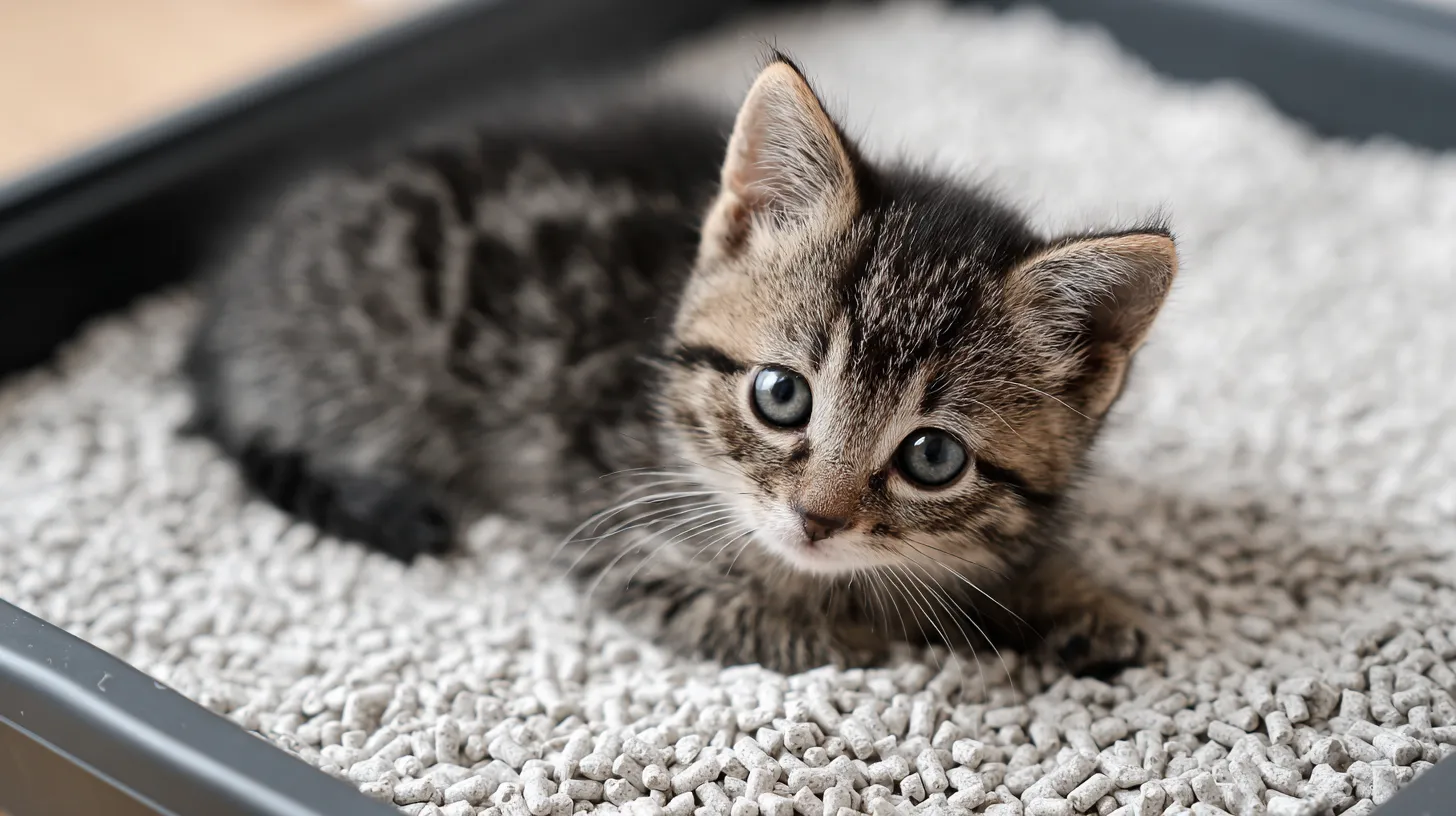
4. Setting Up the Litter Area
Placement plays a major role in litter box success. The litter box should be in a quiet, accessible, and well-ventilated area, away from feeding zones or heavy foot traffic.
Best Places to Set Up a Litter Box
- Bathroom corners with low noise
- Laundry room (if not too loud)
- Quiet hallway corner
Common Mistakes to Avoid:
- Don’t place the box near food or water bowls.
- Avoid dark, confined spaces at first.
- Keep the box away from air vents or fans.
5. Introducing the Kitten to the Litter Box
After each meal or nap, gently place your kitten inside the litter box. Kittens typically eliminate after eating or waking. Praise them softly when they use it correctly—never scold them for accidents, as this can create fear.
Repeat this routine consistently for the first few days. Over time, your kitten will associate the box with elimination naturally.

6. Maintaining Cleanliness and Hygiene
Kittens are sensitive to odors. A dirty litter box can discourage them from using it and lead to unwanted accidents. Scoop daily and replace the litter every few days. Wash the litter box with mild, fragrance-free soap once a week.
Cleaning Frequency Chart
| Task | Frequency |
|---|---|
| Scooping waste | 1–2 times daily |
| Changing litter | Every 3–4 days |
| Washing litter box | Weekly |
7. Dealing with Accidents
Even with consistent training, accidents happen. Clean any soiled area thoroughly with an enzymatic cleaner to remove odor and prevent re-marking. If your kitten repeatedly avoids the box, consult a veterinarian to rule out urinary or digestive issues.
8. Reward and Reinforce Positive Behavior
Positive reinforcement is key. Each time your kitten uses the litter box, reward them with gentle praise or a treat. Avoid punishment—it can delay progress and damage trust.
9. When to Seek Veterinary Advice
If your kitten stops using the litter box suddenly, it may be due to stress, illness, or infection. A veterinarian can check for underlying causes such as urinary tract infections or digestive problems.
10. Final Thoughts: Building Good Habits Early
Consistency, patience, and cleanliness are the three pillars of successful litter training. Every kitten learns at their own pace, but with the right setup and love, your feline friend will become fully trained in no time. Continue exploring more pet parenting guides at FURXIE.COM to keep your kitten happy, healthy, and clean.
Quick Summary Table
| Step | Key Action | Goal |
|---|---|---|
| Step 1 | Choose right box & litter | Comfort & familiarity |
| Step 2 | Show kitten the box | Initial association |
| Step 3 | Reward correct behavior | Positive reinforcement |
| Step 4 | Maintain daily cleaning | Prevent accidents |