Kitten Sleep Explained: Why Your Kitten Sleeps So Much
Meta description: Discover why kittens sleep so much, how long they should rest, and when to worry. Learn about kitten sleep cycles, growth, and healthy behavior.
New kitten owners often notice their furry friend spends most of the day sleeping. While this might seem unusual, it’s perfectly normal for kittens to rest up to 20 hours a day. Understanding kitten sleep patterns is essential for their health, growth, and development. This guide explains kitten behavior, sleep needs, and when excessive sleep could signal a problem.
How Much Sleep Is Normal for Kittens?
Kittens, especially those under six months old, have very different sleep requirements than adult cats. On average, kittens sleep between 16 and 20 hours per day. This extended rest helps their bodies develop muscles, bones, and immune systems.
| Kitten Age | Average Sleep Hours | Typical Behavior |
|---|---|---|
| 0–2 weeks | 20–22 hours | Eyes closed, constant sleep, feeding breaks only |
| 3–8 weeks | 18–20 hours | More movement, playtime between naps |
| 2–6 months | 16–18 hours | Developing independence, playful bursts |
Why Do Kittens Sleep So Much?
There are several reasons why your kitten sleeps excessively — most of which are perfectly normal and beneficial:
- Rapid growth: During sleep, kittens produce essential growth hormones that aid in physical and neurological development.
- Energy conservation: Playing, exploring, and learning new behaviors consume a lot of energy.
- Brain development: Like human infants, kittens process new experiences and strengthen neural pathways during REM sleep.
- Comfort and bonding: Sleeping close to you or other pets helps kittens feel safe and build trust.
For more details on supporting your kitten’s development, visit New Kitten Essentials Checklist.
What Does Healthy Kitten Sleep Look Like?
A healthy kitten alternates between deep sleep and light dozing. You may notice twitching paws or whiskers during REM sleep — a sign they’re dreaming. Most kittens find a warm, quiet place to rest after short play sessions.
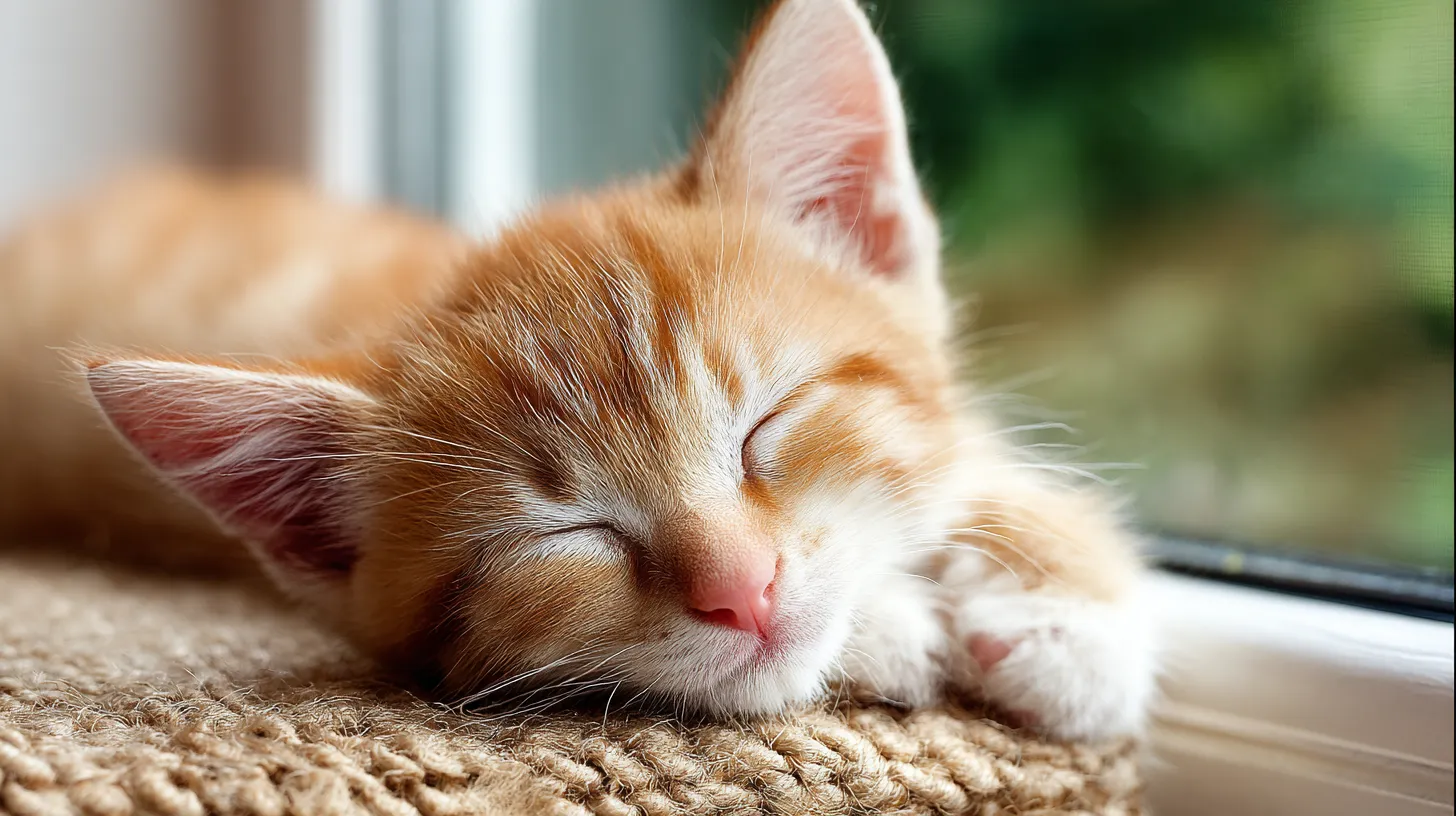
Signs of Healthy Sleep:
- Regular nap schedule after meals and playtime
- Soft purring or gentle twitching during dreams
- Waking up alert and ready to eat or play
When Should You Worry About Kitten Sleep?
While frequent naps are normal, excessive lethargy may indicate illness. Contact a vet if you notice:
- Difficulty waking your kitten
- Lack of appetite or sudden weight loss
- Constant hiding or refusal to play
- Labored breathing or unusual posture during sleep
Early intervention can prevent serious conditions like infections or anemia. Always track your kitten’s activity and behavior changes to share with your vet if needed.
Kitten Sleep Cycle vs. Adult Cats
As your kitten matures, sleep duration decreases gradually. Adult cats typically rest for 12–16 hours a day, often split into several short naps. However, they retain their crepuscular nature, meaning they’re most active at dawn and dusk.
Comparison Table: Kitten vs. Adult Cat Sleep
| Category | Kitten | Adult Cat |
|---|---|---|
| Average Sleep | 16–20 hours/day | 12–16 hours/day |
| Energy Bursts | Frequent and intense | Moderate |
| Sleep Purpose | Growth and recovery | Energy conservation |
How to Create the Perfect Sleep Environment
Providing a secure and comfortable space encourages healthy rest. Here’s how you can make your home kitten-friendly:
- Set up a warm bed away from noise and direct sunlight.
- Keep a consistent bedtime routine to help regulate sleep cycles.
- Offer a small blanket or stuffed toy for comfort.
- Ensure litter training is completed so your kitten feels secure moving around at night.
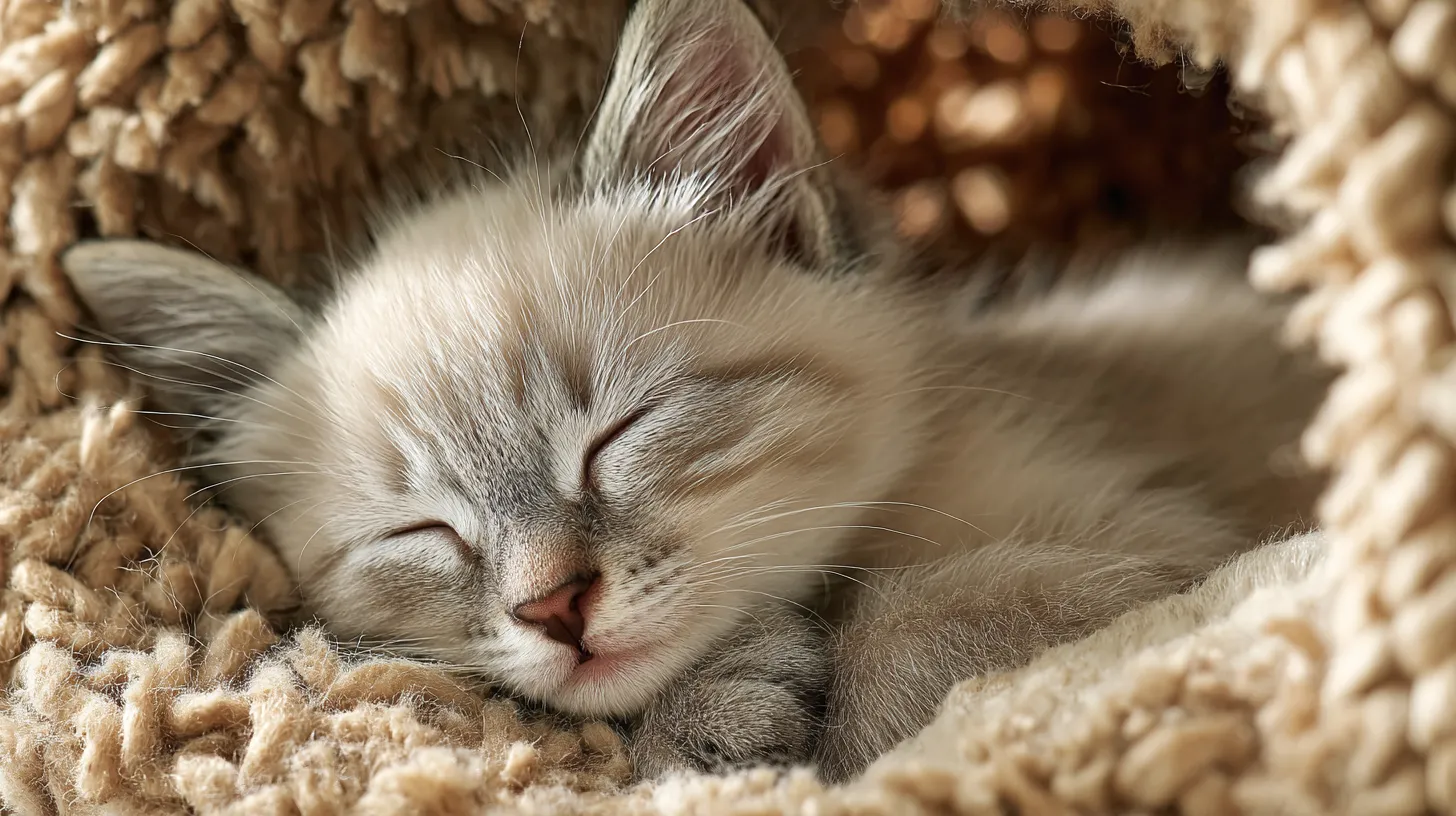
Helpful Tips for New Kitten Owners
If you’re a first-time pet parent, balancing playtime and rest is key. Here are a few essential tips:
- Feed small, frequent meals to maintain energy.
- Allow naps between play sessions — don’t wake a sleeping kitten.
- Keep the room temperature between 24–28°C for comfort.
- Limit loud noises and sudden movements around their bed.
For a detailed guide on kitten care, visit the Ultimate Kitten Care Guide on Furxie.com.
Key Takeaway
Sleeping a lot is an essential part of a kitten’s growth and development. As long as your kitten eats well, plays actively, and shows no signs of illness, their long naps are a positive sign of a healthy and happy pet. Understanding their sleep needs helps you build a nurturing environment and strengthen your bond as they grow into adulthood.