Expert Grooming Tips to Keep Your Pet’s Coat Healthy and Shiny
Meta Description: Discover the best grooming tips for dogs and cats to maintain a healthy, shiny coat. Learn natural care techniques, brushing routines, and hygiene secrets.
Grooming is more than just about keeping your pet looking good — it’s an essential part of their overall health. Regular brushing, bathing, and coat maintenance can prevent skin issues, infections, and discomfort. Whether you’re caring for a playful puppy or a calm cat, following a structured grooming routine ensures they stay clean, happy, and healthy. This guide reveals professional, natural, and home-friendly pet grooming tips that suit all breeds and lifestyles.
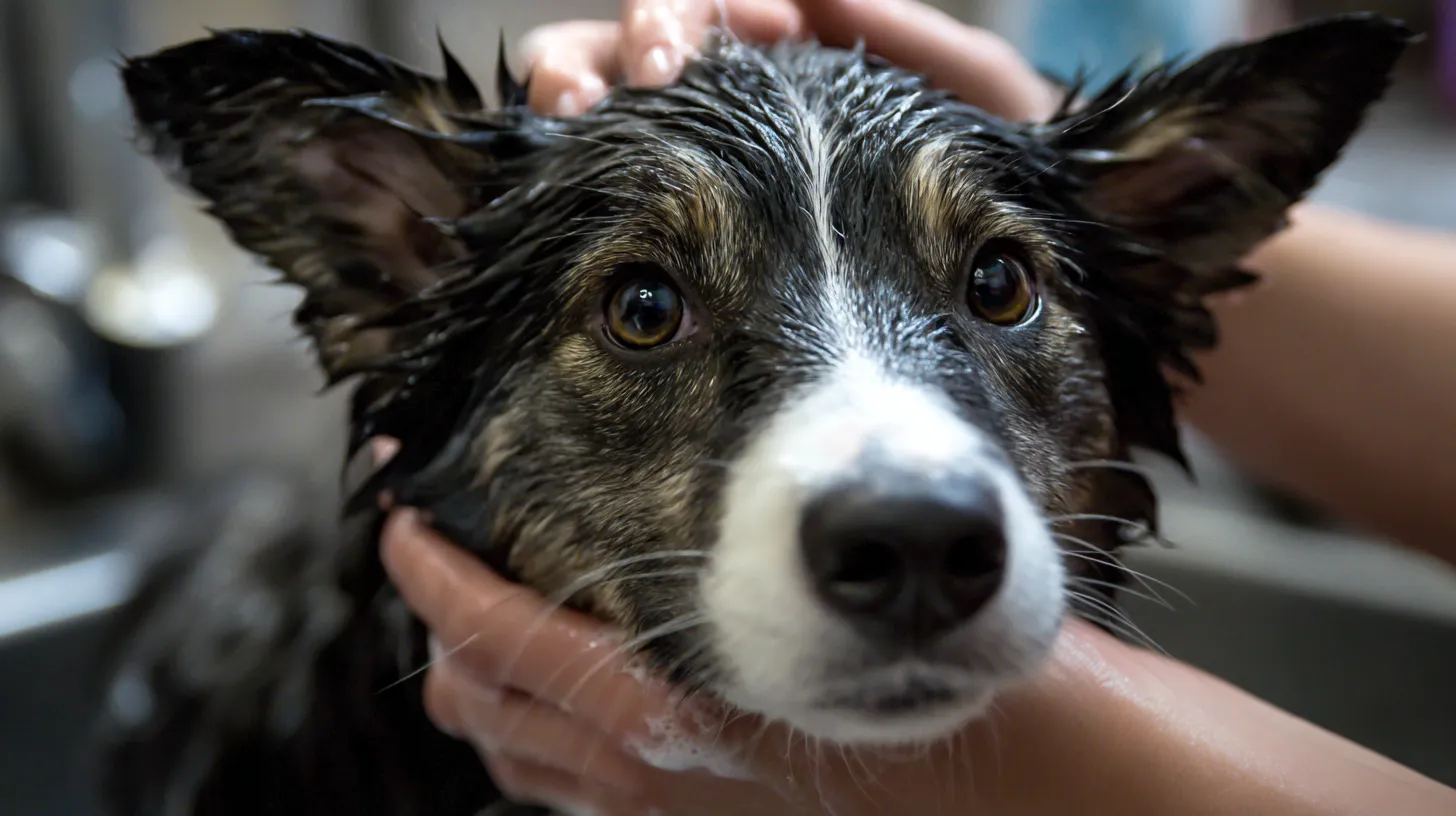
1. Why Grooming Is Vital for Pet Health
Grooming plays a key role in your pet’s hygiene and well-being. It prevents fleas, ticks, matting, and shedding issues. Moreover, grooming sessions build trust between pets and their owners. For long-haired breeds, consistent grooming avoids tangles and maintains temperature control — especially during seasonal changes.
- Dogs: Weekly grooming reduces odor and loose fur.
- Cats: Daily brushing helps with self-cleaning and hairball prevention.
- Discover low-maintenance breeds in Low-Maintenance Pet Breeds for Busy People.
2. Choose the Right Grooming Tools
Every pet has a unique coat type that requires specific tools. Using the wrong brush or trimmer can irritate their skin or damage fur texture.
| Coat Type | Best Tool | Recommended Routine |
|---|---|---|
| Short Hair | Bristle brush or grooming mitt | Brush twice a week |
| Long Hair | Slicker brush + wide-tooth comb | Brush daily to prevent tangles |
| Double Coat | Undercoat rake | Brush every 2–3 days during shedding season |
Choose pet-safe tools to protect skin and reduce static buildup during brushing.
3. Brushing Techniques for a Shiny Coat
Brushing stimulates blood circulation and distributes natural oils, resulting in a shiny, healthy coat. Always brush gently, following the direction of fur growth.
- Dogs: Use slow, long strokes; focus on legs and undercoat.
- Cats: Brush sensitive areas like the belly or neck last to reduce stress.
- Explore breeds that shed less in Small Dog Breeds That Don’t Shed.
4. Bathing Your Pet the Right Way
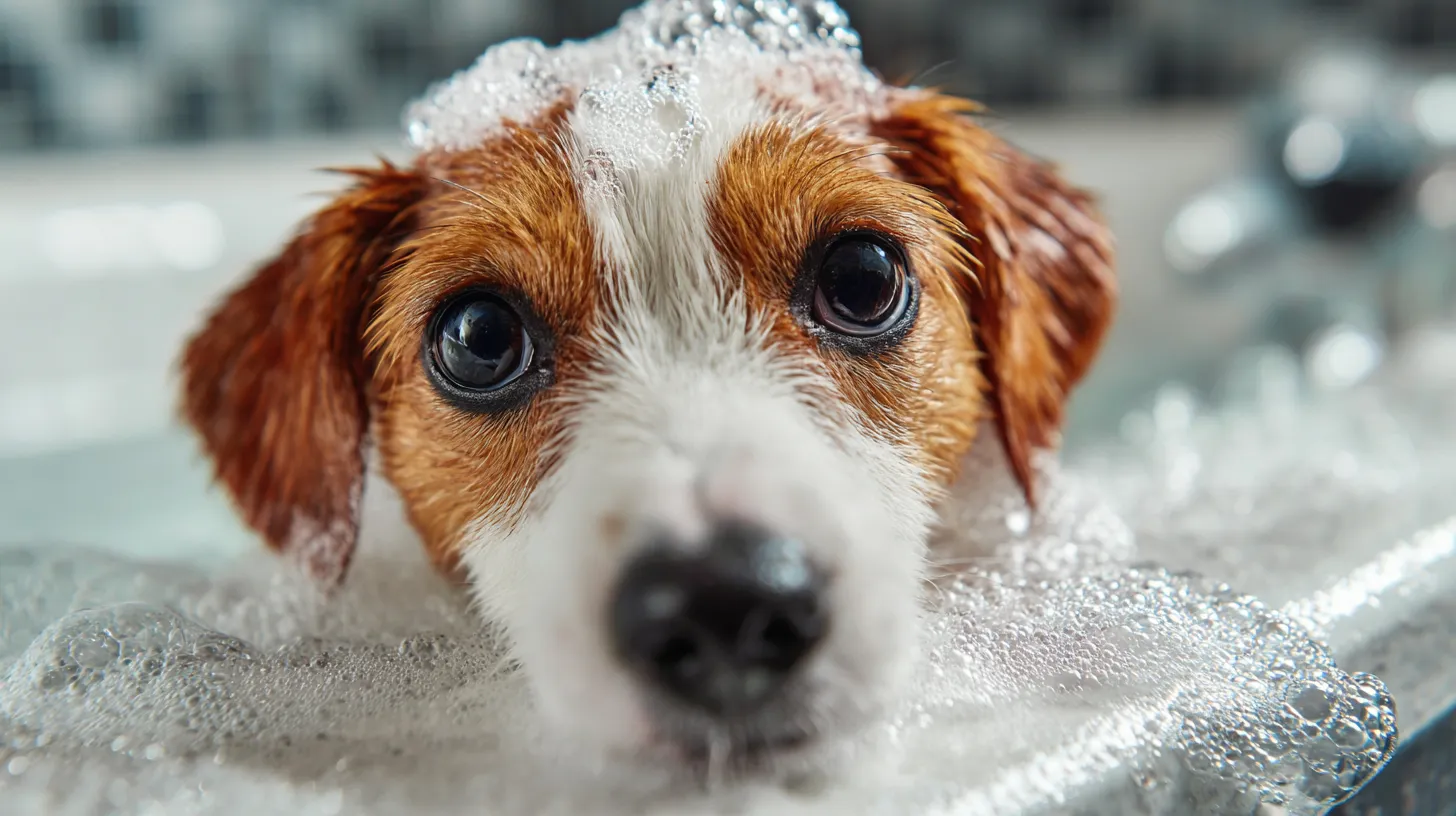
Overbathing can dry out your pet’s skin, while underbathing causes odor and matting. Use lukewarm water and natural, pH-balanced shampoos specifically formulated for pets.
- Frequency: Once every 3–4 weeks for dogs; every few months for indoor cats.
- Natural Tip: Add a spoon of coconut oil or aloe vera for extra shine.
- After Bath: Towel-dry or use a low-heat blow dryer to prevent chills.
Check grooming-friendly breeds in Friendly Dog Breeds That Are Great with Kids.
5. Don’t Forget Ears, Nails, and Teeth
Grooming isn’t just about fur. Pay attention to ears, nails, and teeth — areas often overlooked but essential for overall hygiene.
- Ears: Clean gently with a pet-safe solution every week to prevent infections.
- Nails: Trim monthly or as needed; use pet nail grinders for safety.
- Teeth: Brush with enzymatic toothpaste or dental chews — see Best Toys and Chews for Teething Puppies.
6. Keep Grooming Stress-Free
Many pets dislike grooming at first, but with patience and positive reinforcement, it becomes a bonding experience. Reward calm behavior with small treats, soft music, or gentle praise. Start grooming sessions slowly and in short intervals.
- Start brushing while your pet is relaxed.
- Keep grooming sessions under 15 minutes at first.
- Use treats for encouragement — especially for kittens or nervous dogs.
For social behavior improvement, explore How to Socialize a Puppy and How to Socialize a Kitten.
7. Nutrition’s Role in a Shiny Coat
A healthy diet is the foundation of a beautiful coat. Omega-3 fatty acids, vitamins, and minerals help maintain strong hair and skin elasticity. Dry, flaky coats can indicate poor nutrition or dehydration.
| Essential Nutrient | Food Source | Benefit |
|---|---|---|
| Omega-3 Fatty Acids | Fish oil, salmon, flaxseed | Enhances shine and reduces shedding |
| Biotin & Vitamin E | Eggs, sweet potatoes | Strengthens hair and skin |
| Protein | Lean meats, high-quality kibble | Supports healthy fur growth |
See more about balanced diets in Ultimate Guide to Pet Care.
8. Grooming Tips by Season
Weather changes affect your pet’s coat and grooming needs. Adjust your care routine based on the season:
- Spring: Use deshedding tools as winter coats shed.
- Summer: Trim fur lightly and increase bathing frequency.
- Winter: Avoid full shaves to maintain warmth.
- Fall: Begin moisturizing treatments to prevent dryness.
9. When to Visit a Professional Groomer
While home grooming is sufficient for many pets, certain breeds or coat conditions require professional help. Groomers handle difficult matting, coat trimming, and specialized treatments like medicated baths.
- Long-haired cats (Persians, Maine Coons) and double-coated dogs benefit from seasonal trims.
- Consider grooming every 6–8 weeks for maintenance.
- Look for certified groomers with pet-first handling practices.
10. Common Grooming Mistakes to Avoid
Even with good intentions, some grooming habits can harm your pet’s health. Avoid these common mistakes:
- Using human shampoos that dry out the skin.
- Cutting nails too short, which can cause bleeding.
- Brushing wet fur — always dry completely before grooming.
- Ignoring ear cleaning, leading to infections.
Learn more about pet care errors in 10 Common Pet Care Mistakes Every Owner Should Avoid.
Conclusion
Grooming is one of the most rewarding parts of pet ownership. It improves not only your pet’s appearance but also their comfort and happiness. By establishing a consistent, gentle, and natural grooming routine, you can ensure a shiny coat, healthy skin, and a stronger bond with your furry companion. Whether you own a playful puppy or a calm cat, these grooming habits will make your home cleaner — and your pet healthier.
For more expert pet care content, visit Furxie.com and explore guides like Daily Pet Care Routine and Ultimate Guide to Pet Care.