Ultimate Pet Hygiene Guide for a Clean and Healthy Home
Meta Description: Discover expert pet hygiene tips to prevent fleas, ticks, and bad odors at home. Keep your dog or cat fresh, healthy, and pest-free naturally.
Maintaining your pet’s hygiene is not just about appearance—it’s about health, comfort, and preventing diseases. Fleas, ticks, and unpleasant odors can quickly spread if hygiene is neglected. In this complete guide, you’ll learn how to protect your home and your furry friends with effective cleaning, grooming, and preventive care routines.

1. Why Pet Hygiene Matters
Good hygiene keeps your pets healthy, your home odor-free, and reduces the risk of parasitic infections. Unclean fur or bedding can quickly become breeding grounds for fleas, ticks, and bacteria that cause skin infections or allergies. Clean pets are also happier and more comfortable, improving their mood and energy.
For overall well-being, explore our Ultimate Guide to Pet Care for more daily pet care essentials.
2. Regular Grooming Routine for Pets
Establishing a consistent grooming routine helps remove dirt, dead skin, and loose fur while preventing mats that can hide parasites.
- Brushing: Brush your pet’s fur 2–3 times a week to remove debris and prevent tangles.
- Bathing: Bathe dogs every 4–6 weeks and cats as needed using gentle, pet-safe shampoos.
- Ear Cleaning: Clean ears weekly with a vet-approved solution to prevent ear mites and infections.
- Nail Trimming: Trim nails every 3–4 weeks to prevent overgrowth and discomfort.
Read Best Grooming Tips for Dogs and Cats to learn more about coat maintenance and shine.
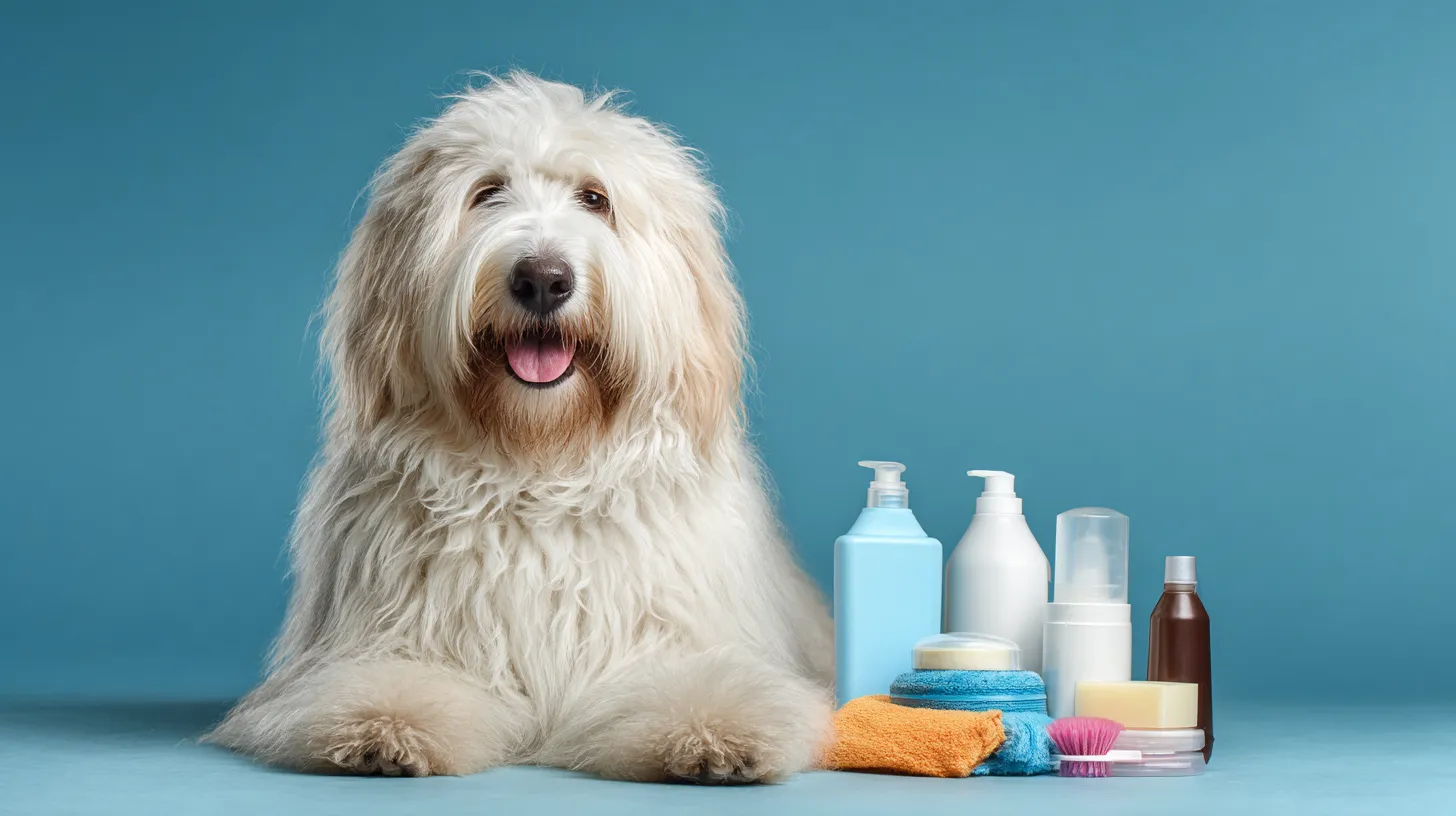
3. Preventing Fleas and Ticks Naturally
Fleas and ticks can cause serious health issues like anemia, skin irritation, and Lyme disease. Prevention is always easier than treatment.
Top Prevention Methods:
- Use vet-recommended flea and tick prevention drops or collars year-round.
- Wash your pet’s bedding weekly in hot water.
- Vacuum carpets, furniture, and corners regularly.
- Apply natural repellents like diluted apple cider vinegar or lemon spray for mild protection.
- Check your pet’s fur and skin after outdoor activities.
If you live in an area with high tick activity, always consult your vet about monthly parasite prevention medication.
4. How to Remove and Control Pet Odors
Bad pet odors are often caused by bacteria, dirty bedding, ear infections, or poor diet. Follow these hygiene steps to eliminate them:
- Clean Bedding Frequently: Wash blankets and toys every week with mild detergent.
- Use Pet Deodorizing Sprays: Choose natural sprays with aloe or lavender for freshness.
- Maintain Oral Hygiene: Brush teeth 2–3 times per week to prevent bad breath.
- Control Diet: Feed your pet quality food like those suggested in Best Puppy Food for Growth and Healthy Development.
5. Cleaning Your Home the Right Way
Pet hygiene also depends on your home cleaning habits. Parasites can live on carpets, upholstery, and in hidden corners. Here’s how to protect your space:
| Area | Recommended Cleaning Frequency | Best Cleaning Tips |
|---|---|---|
| Bedding & Blankets | Weekly | Use hot water and pet-safe detergent |
| Carpets | Every 2 weeks | Vacuum and use enzyme-based cleaners |
| Litter Box | Daily | Scoop regularly, change litter weekly |
| Food Bowls | Daily | Wash with warm, soapy water |
6. Healthy Skin and Coat Maintenance
A shiny coat and healthy skin indicate your pet’s hygiene and nutrition are balanced. Feed a diet rich in omega-3 fatty acids and provide regular brushing sessions. Add supplements like fish oil for better skin health, especially for long-haired breeds.
For more, see Most Intelligent Dog Breeds Ranked by Experts to learn which breeds require more grooming and mental stimulation.
7. Spotting Early Signs of Hygiene-Related Problems
Early detection can save your pet from discomfort and disease. Watch for these common hygiene-related issues:
- Persistent scratching or licking
- Visible fleas, ticks, or black flea dirt
- Unpleasant body or mouth odor
- Greasy or patchy fur
- Red or inflamed skin
If any of these symptoms persist, schedule a check-up with your vet for proper diagnosis and treatment.
8. Oral Hygiene and Dental Health
Just like humans, pets need regular dental care. Neglected oral hygiene can lead to tartar buildup, bad breath, and even heart disease.
- Brush teeth using a pet-specific toothbrush and toothpaste.
- Offer dental chews or toys that reduce plaque buildup.
- Schedule annual dental cleanings with your vet.
9. Natural Remedies for Flea and Odor Control
Prefer chemical-free solutions? Here are some safe, natural remedies you can use:
- Spray diluted lemon juice or apple cider vinegar on your pet’s coat (avoid eyes and wounds).
- Use diatomaceous earth on carpets and bedding to kill fleas.
- Add a few drops of lavender essential oil (pet-safe) to your pet’s shampoo for a fresh scent.
10. Final Thoughts on Pet Hygiene
Keeping your pet clean is an act of love that benefits both your family and your furry friend. Regular grooming, a clean home, proper diet, and preventive treatments form the foundation of great pet hygiene. With consistency and attention to detail, your pets can live happier, healthier, and odor-free lives.
Continue learning with our detailed articles like Daily Pet Care Routine and Low-Maintenance Pet Breeds for Busy People to maintain your pet’s health year-round.