Essential Pet Nutrition Guide for a Healthy Diet
Meta Description: Discover the best nutrition tips for dogs and cats, including what to feed, what to avoid, and how to maintain a balanced, vet-approved diet for your pets.
Nutrition is the foundation of your pet’s health and longevity. A proper diet affects everything from energy levels and coat shine to immune strength and mood. Whether you’re caring for a playful puppy, a curious kitten, or an adult pet, understanding what to feed—and what to avoid—is essential. This comprehensive pet nutrition guide covers all you need to know to keep your furry companions healthy and thriving.
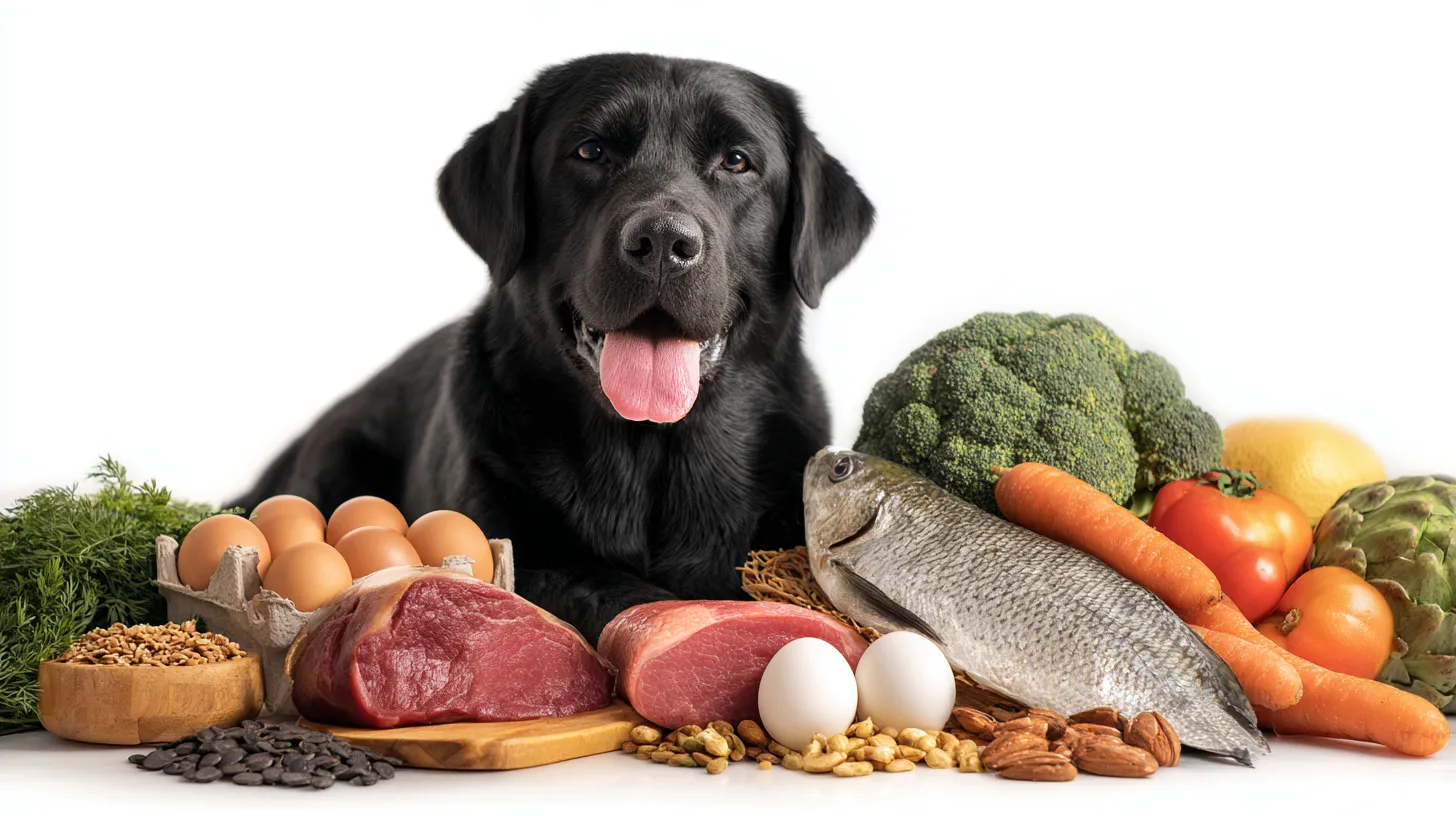
1. Understanding Your Pet’s Nutritional Needs
Dogs and cats have different dietary requirements based on their species, age, size, and activity level. Unlike humans, pets need specific nutrients like taurine (for cats) or omega fatty acids (for dogs) in precise amounts. Always consult your veterinarian before making major changes to their diet.
- Puppies and Kittens: Need more protein, calcium, and calories for rapid growth.
- Adult Pets: Require maintenance diets that balance protein and fat levels.
- Senior Pets: Need fewer calories but higher fiber and joint-support nutrients.
For new pet owners, check out How to Take Care of a New Puppy or Kitten for early nutrition and feeding routines.
2. The Key Nutrients Every Pet Needs
A well-balanced pet diet should include the following essential nutrients:
| Nutrient | Purpose | Sources |
|---|---|---|
| Protein | Muscle growth, tissue repair | Chicken, beef, fish, eggs |
| Fats | Energy and vitamin absorption | Salmon oil, chicken fat, flaxseed |
| Carbohydrates | Energy support and digestion | Rice, sweet potatoes, oats |
| Vitamins & Minerals | Bone strength, immunity | Carrots, spinach, liver |
| Water | Vital for all bodily functions | Fresh, clean water daily |
3. Best Food Types for Pets
Choosing the right type of food depends on your pet’s age, lifestyle, and preferences. The three main types are dry food, wet food, and raw or homemade diets.
Dry Food (Kibble)
- Convenient, long-lasting, and supports dental health.
- Choose brands with meat as the first ingredient, not fillers like corn or soy.
Wet Food (Canned)
- Higher moisture content; great for hydration.
- Ideal for cats and picky eaters.
Raw or Homemade Diets
- Can provide natural nutrients but require strict hygiene and balance.
- Consult a vet before switching to a raw or home-cooked plan.
See Best Puppy Food for Growth and Healthy Development and Best Kitten Food & Nutrition Guide for expert feeding recommendations.
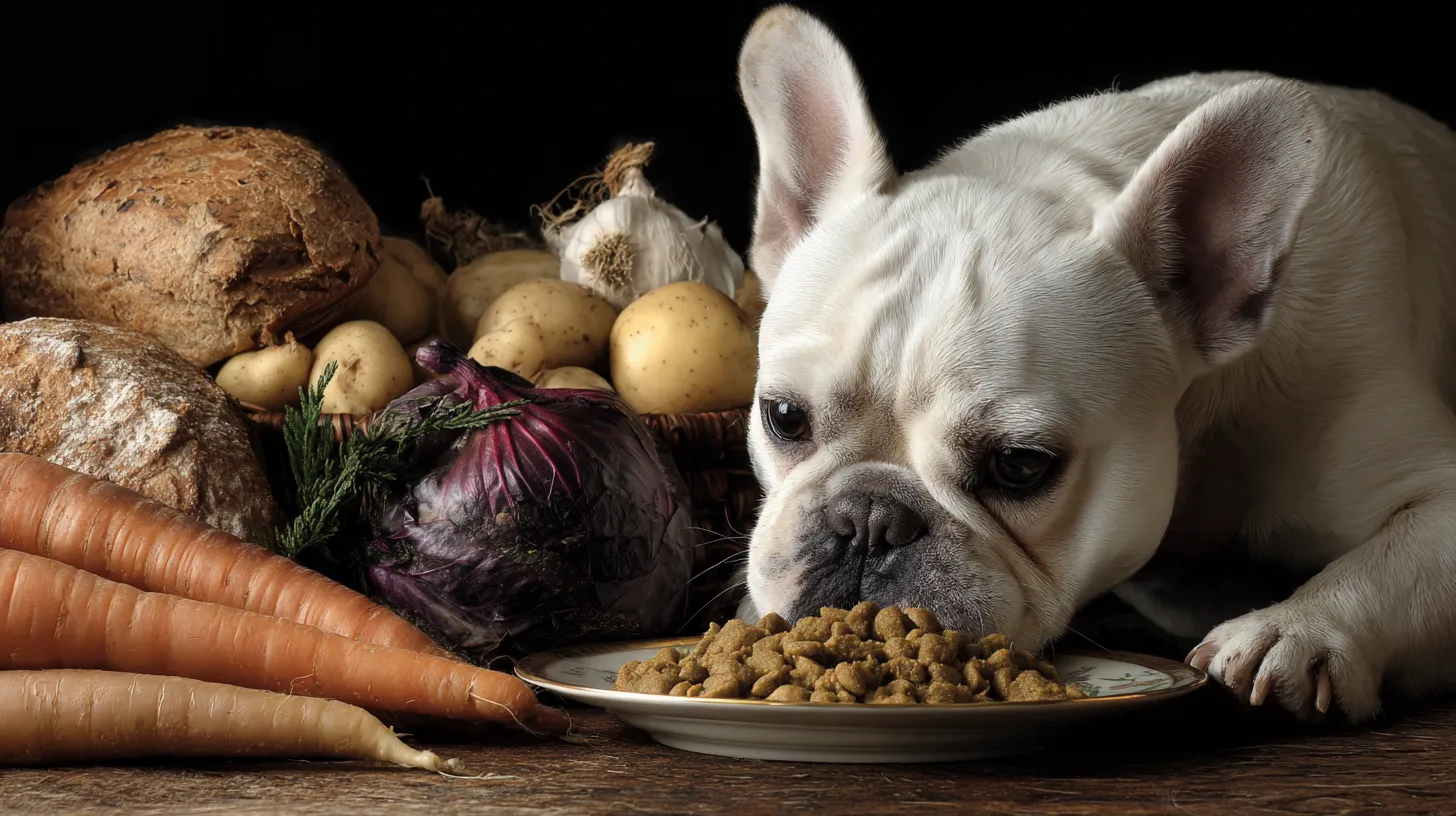
4. Foods You Should Never Feed Your Pet
Some human foods are toxic to dogs and cats—even in small amounts. Avoid these at all costs:
- Chocolate: Contains theobromine, which is toxic to pets.
- Onions and Garlic: Cause anemia in cats and dogs.
- Grapes and Raisins: Lead to kidney failure.
- Caffeine and Alcohol: Affect the nervous system.
- Cooked Bones: Can splinter and cause internal damage.
Learn more about safety and common diet mistakes in 10 Common Pet Care Mistakes Every Owner Should Avoid.
5. Feeding Schedule and Portion Control
Overfeeding is a leading cause of obesity in pets, leading to diabetes, joint issues, and heart disease. Establish a consistent feeding routine and monitor your pet’s body condition score (BCS).
| Pet Type | Meals per Day | Portion Guidelines |
|---|---|---|
| Puppy | 3–4 | 1 cup per 10 lbs body weight |
| Adult Dog | 2 | Based on activity level |
| Kitten | 3–5 | Small frequent meals |
| Adult Cat | 2–3 | Portion control to prevent weight gain |
6. Signs of Poor Nutrition
If your pet’s diet isn’t balanced, they might show physical or behavioral symptoms. Watch for:
- Dull coat or excessive shedding
- Lethargy and low energy
- Weight loss or obesity
- Frequent digestive upsets
- Excessive scratching or dandruff
If these signs appear, schedule a vet check-up or review your diet plan with a pet nutritionist.
7. Supplements and Treats: How Much Is Too Much?
Supplements can fill nutritional gaps, but over-supplementation is risky. Only give supplements prescribed by your vet. Treats should make up less than 10% of daily calorie intake.
- Fish oil: Supports skin and coat health.
- Probiotics: Aid digestion and immunity.
- Glucosamine: Helps joint mobility in older pets.
8. Natural and Homemade Pet Food Options
Some owners prefer natural diets with organic or homemade meals. This approach can work well if balanced correctly.
- Include lean meats, steamed vegetables, and healthy grains.
- Avoid seasoning, onions, garlic, and salt.
- Consult a vet to ensure proper vitamin and mineral ratios.
9. Hydration: The Forgotten Nutrient
Water is just as important as food. Always ensure your pet has access to clean, fresh water at all times. Wet food can also contribute to hydration, especially for cats.
10. Final Thoughts on Pet Nutrition
Providing a healthy, balanced diet is one of the most important ways to show love to your pet. Proper nutrition boosts their immunity, enhances lifespan, and keeps them active and joyful. Every pet is unique, so always tailor feeding to their age, breed, and health status.
For more expert tips, explore Ultimate Guide to Pet Care and Daily Pet Care Routine on Furxie.com.