Fast and Effective Puppy Potty Training Guide
Meta Description: Learn how to potty train your puppy quickly and effectively with proven methods, schedules, and consistency tips for a clean and happy home.
Housebreaking a new puppy can feel overwhelming, especially when accidents seem endless. However, with the right structure, consistency, and understanding of your puppy’s behavior, potty training can be smooth and stress-free. This guide will teach you how to potty train your puppy fast and effectively, using positive reinforcement, smart scheduling, and step-by-step strategies that truly work.
1. Understanding Your Puppy’s Potty Behavior
Puppies have small bladders and limited control, especially in the early months. Knowing their natural rhythms helps prevent accidents before they happen. Most puppies need to relieve themselves:
- After waking up from sleep or naps
- After eating or drinking water
- After playtime or excitement
- Every 2–3 hours during the day
For a complete overview of how puppies and kittens develop bladder control and independence, check Kitten Growth Stages: 0 to 12 Months Guide — the biological timeline is surprisingly similar for young pets.
2. Create a Consistent Feeding and Potty Schedule
Consistency builds success. A fixed schedule teaches your puppy when to expect meals, play, and potty breaks. Puppies thrive on routine, and regular feeding leads to predictable elimination times.
| Time | Activity |
|---|---|
| 7:00 AM | Wake up & first potty break |
| 7:30 AM | Breakfast & short walk |
| 12:00 PM | Lunch & potty break |
| 6:00 PM | Dinner & outdoor play |
| 10:00 PM | Final potty break before bedtime |
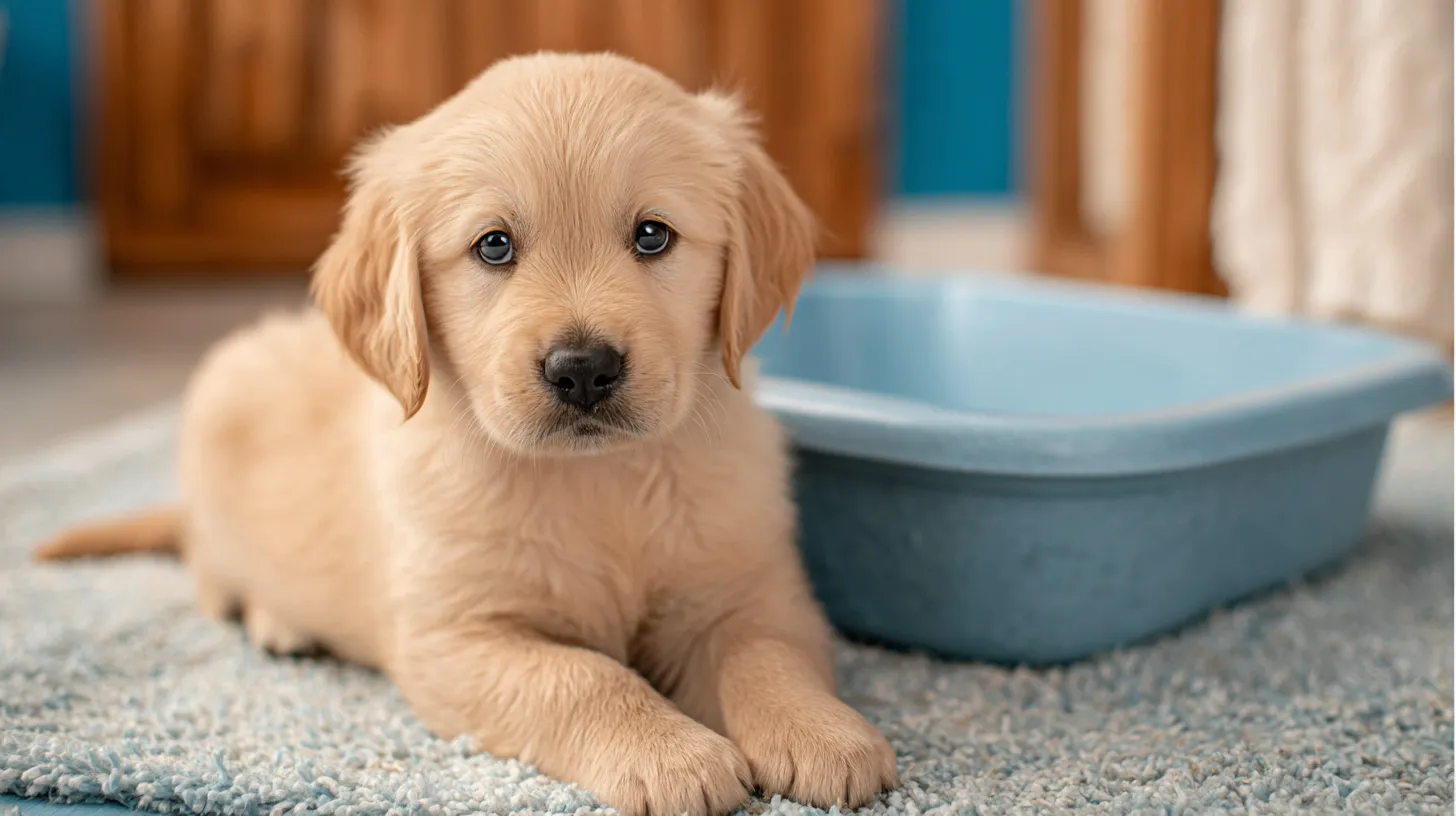
3. Choose the Right Potty Spot
Always take your puppy to the same designated potty area. Consistency helps them associate that spot with bathroom time. Whether you live in an apartment or have a backyard, use one specific place each time.
- Pick a quiet area with minimal distractions.
- Use a command like “Go potty” every time you take them out.
- Reward immediately after they finish, never during.
4. Use Positive Reinforcement
Punishment never works for potty training. Puppies respond best to positive reinforcement — reward them for doing the right thing instead of scolding for accidents. A small treat or a cheerful “Good job!” reinforces the habit faster.
For a detailed look at behavioral reinforcement, check Stop Puppy Biting Fast — the same principles of reward-based learning apply to all areas of puppy training.
5. Monitor Your Puppy Closely Indoors
Supervision prevents accidents. When your puppy is not in a crate or outside, keep a close eye on them. Early warning signs that your puppy needs to go include:
- Circling or sniffing the floor
- Whining or scratching at the door
- Sudden restlessness after play
Interrupt accidents gently — say “Outside!” and take them immediately to their potty spot.
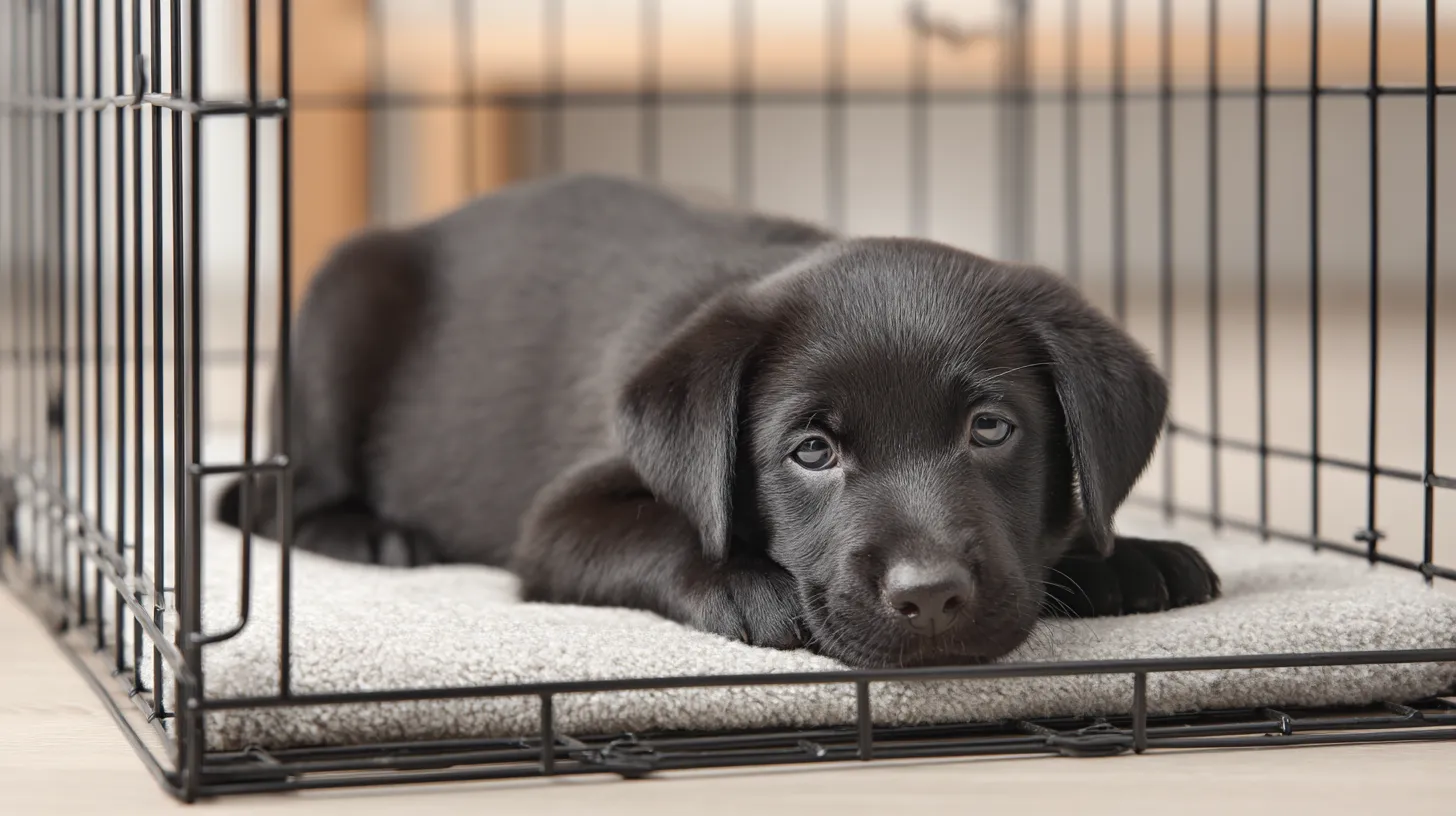
6. Crate Training for Potty Success
Crate training is one of the fastest and most effective ways to housebreak a puppy. Dogs naturally avoid soiling their sleeping area, which teaches them bladder control. However, the crate must be comfortable and properly sized.
- The crate should be large enough for standing and turning but not too big.
- Always take your puppy outside right after releasing them from the crate.
- Never leave them crated for more than 3–4 hours at a time during the day.
7. Handle Accidents the Right Way
Accidents happen — even with the best training. What matters most is your reaction. Avoid yelling or rubbing their nose in it. Instead, clean the spot thoroughly to remove any lingering odor, preventing repeat incidents.
- Use enzymatic cleaners to break down odors effectively.
- Avoid ammonia-based cleaners (they smell like urine to dogs).
Common Causes of Potty Accidents
| Cause | Solution |
|---|---|
| Irregular feeding schedule | Feed at consistent times daily |
| Too much water at night | Limit water intake before bedtime |
| Incomplete supervision | Use baby gates or leashes indoors |
8. Establish a Nighttime Potty Routine
Puppies under 12 weeks can’t hold their bladder through the night. A nighttime potty break prevents morning surprises.
- Set an alarm 4–5 hours after bedtime for a quick outdoor break.
- Keep nighttime trips calm and quiet — no playtime.
9. Use Training Pads Wisely
Puppy pads can be helpful, especially for apartment living, but overuse can delay outdoor training. Use them as a temporary tool, not a permanent solution.
Gradually move pads closer to the door, then outside, until your puppy transitions fully to outdoor pottying.
10. Be Patient and Consistent
Potty training takes time — anywhere from a few weeks to a few months, depending on the puppy’s age, breed, and consistency. Patience and positive reinforcement always pay off.
Quick Reference Table: Puppy Potty Training Timeline
| Age (Weeks) | Expected Progress |
|---|---|
| 8–10 | Frequent accidents, needs hourly breaks |
| 10–16 | Better control, fewer accidents with routine |
| 16–24 | Consistent habits forming, occasional reminders |
| 24+ | Fully house-trained with rare accidents |
Additional Puppy Care Resources
- Puppy Vaccination Schedule Guide
- Best Puppy Food for Growth and Healthy Development
- 10 Common Puppy Mistakes Every New Dog Owner Should Avoid
Conclusion
Potty training your puppy doesn’t have to be a long or frustrating process. With structure, consistency, and the right techniques, you can teach your dog to go outside in just a few weeks. Remember — every success deserves a celebration, and every accident is just part of the learning curve. Stay patient, reward progress, and enjoy watching your puppy grow into a well-trained, happy companion.
For more expert puppy and kitten care guides, visit Furxie.com, your trusted source for pet wellness, nutrition, and behavior training.