Top 10 Puppy Mistakes New Dog Owners Must Avoid
Meta Description: Learn the 10 most common puppy mistakes new dog owners make and how to avoid them to ensure your pup grows healthy, happy, and well-behaved.
Bringing home a new puppy is an exciting milestone, but it also comes with challenges that can shape your dog’s behavior for years to come. Many first-time dog owners unknowingly make common mistakes that lead to issues with obedience, health, and socialization. This guide will walk you through the top 10 puppy mistakes every new dog owner should avoid — and how to fix them effectively.
1. Skipping Early Socialization
One of the most common puppy mistakes is delaying socialization. Between 3 to 14 weeks, puppies are highly receptive to new experiences. Failing to expose your puppy to people, sounds, and environments during this time can result in fear and anxiety later.
- Introduce your puppy to friendly people, other pets, and safe outdoor environments.
- Reward calm behavior with treats and praise.
- Read this guide on how to socialize young animals effectively.
2. Overfeeding or Poor Diet Choices
Overfeeding or using low-quality food can cause digestive issues and obesity. Puppies need balanced nutrition to support rapid growth and development.
- Feed according to your puppy’s breed, size, and age.
- Check out the Best Puppy Food for Growth and Healthy Development guide for optimal feeding tips.
- Provide clean, fresh water at all times.
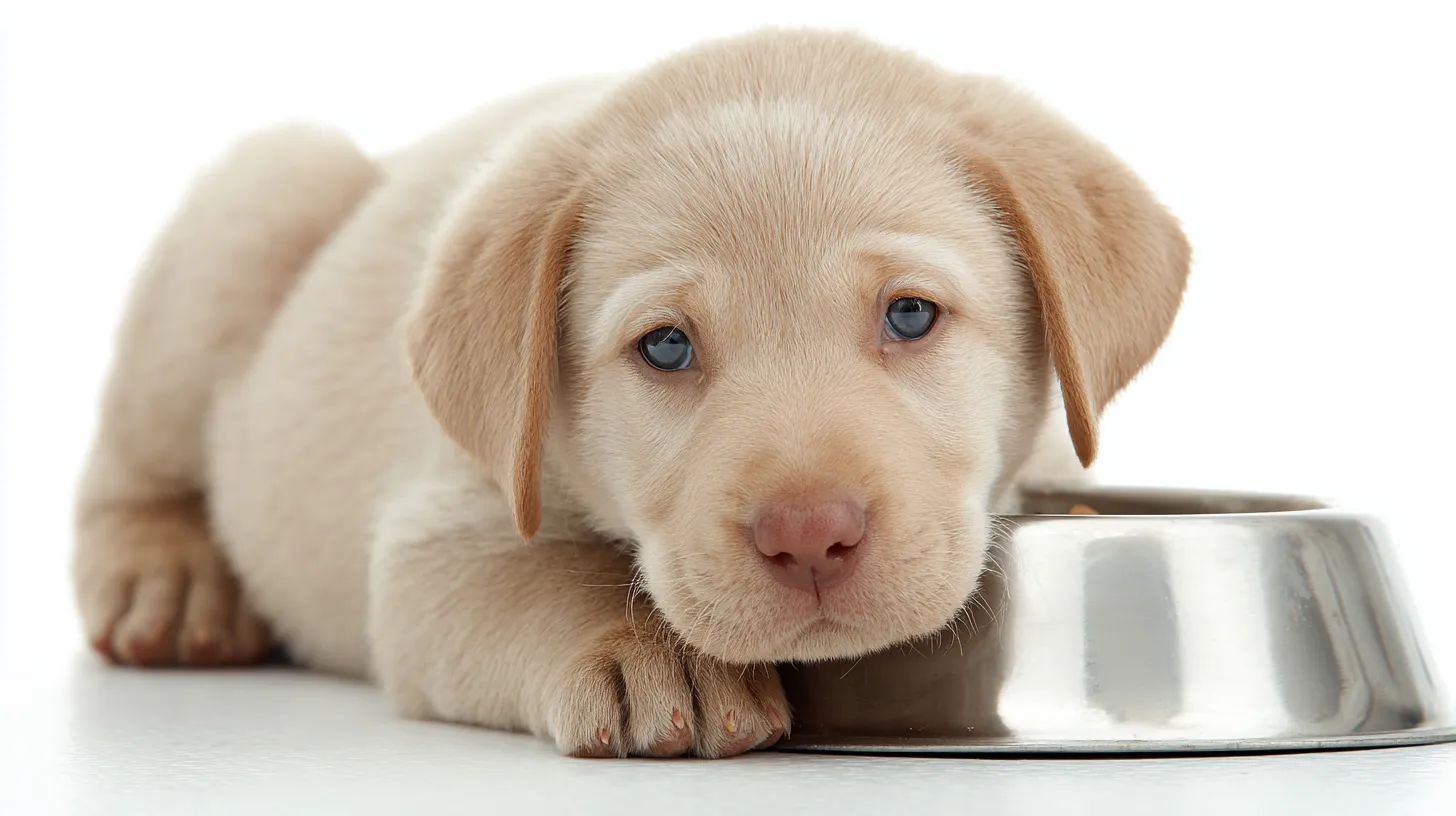
3. Ignoring Crate Training
Crate training is not punishment — it’s a safety and behavioral tool. When used properly, crates help your puppy learn boundaries and offer a secure resting space.
- Choose a crate large enough for your puppy to stand and turn around.
- Use soft bedding and positive reinforcement.
- Never use the crate for punishment.
4. Inconsistent Training Methods
Consistency is key in puppy training. Changing rules or using mixed signals confuses your dog and delays learning.
- Establish clear commands and stick to them.
- Reward positive behavior instantly.
- For help with discipline, read how to stop puppy biting fast.
5. Neglecting Regular Vet Visits
Early vet care prevents many health problems. Missing vaccinations or checkups can expose your puppy to preventable diseases.
| Age | Recommended Vet Care |
|---|---|
| 6–8 weeks | First vaccines, deworming |
| 10–12 weeks | Booster shots, flea control |
| 16 weeks | Rabies vaccine, health check |
6. Delaying Spaying or Neutering
Waiting too long to spay or neuter your puppy can lead to behavioral and health issues. Consult your vet about the best timing.
Learn more from this spay/neuter timing guide.
7. Ignoring Dental and Grooming Care
Grooming isn’t just about looks — it’s essential for hygiene and comfort. Dental neglect can lead to infections that affect your dog’s overall health.
- Brush teeth 2–3 times a week using dog toothpaste.
- Trim nails monthly and bathe as needed.
- Use gentle, puppy-safe grooming products.
8. Lack of Proper Exercise
Puppies are bundles of energy. Without enough play and walks, they can become destructive or anxious. However, excessive exercise can harm growing joints.
- Short walks and interactive play are ideal.
- Adjust activity based on your puppy’s breed and size.
- Refer to this growth guide for development-based exercise ideas (applies to pets generally).
9. Not Setting Boundaries Early
Letting your puppy jump on people or chew furniture might seem harmless at first, but it becomes harder to correct later.
- Redirect bad behavior with toys or commands.
- Use positive reinforcement instead of punishment.
- Keep consistent household rules for all family members.
10. Ignoring Mental Stimulation
Puppies need mental challenges as much as physical ones. Without brain games or new experiences, they can become bored and destructive.
- Use puzzle feeders, scent games, and basic obedience training.
- Rotate toys weekly to keep things fresh.
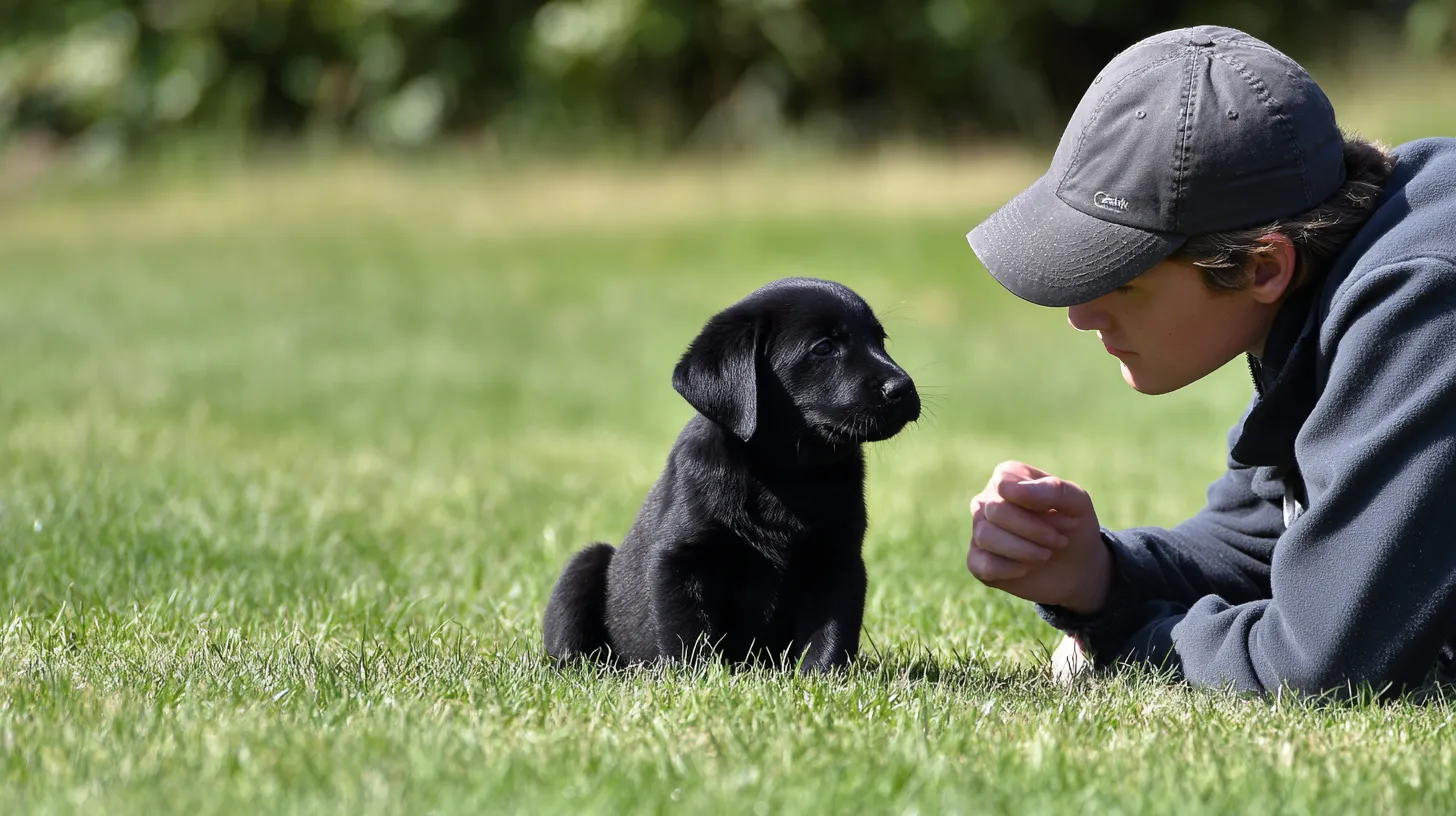
Bonus: Building a Healthy Routine
Creating structure helps your puppy feel secure and confident. A proper routine includes feeding times, walks, naps, and training sessions.
- Morning: short walk, meal, training session
- Afternoon: playtime and nap
- Evening: walk, dinner, quiet time
For additional tips on young pet care, visit the Ultimate Kitten Care Guide — many principles apply to puppies too.
Quick Recap: Puppy Mistakes to Avoid
| Mistake | Solution |
|---|---|
| Skipping socialization | Expose to varied environments early |
| Overfeeding | Use portion control and vet-approved diet |
| Inconsistent training | Stick to one set of commands and rewards |
| Ignoring vet visits | Follow vaccination and health schedule |
| No mental stimulation | Provide daily games and learning tasks |
Conclusion
Raising a puppy isn’t just about love — it’s about structure, patience, and consistent effort. Avoiding these 10 common mistakes helps your puppy develop into a loyal, confident, and well-mannered dog. By investing time in proper care, nutrition, and training, you’re building the foundation for a lifelong bond.
For more expert pet advice, visit Furxie.com and explore topics like pet health and essential supplies.