Step-by-Step Puppy Training at Home
Meta Description: A complete at-home puppy training plan: crate, potty, leash, cues, socialization, schedules, and fixes for biting, barking, and accidents.
Bringing home a new puppy is exciting—and a little overwhelming. The fastest way to raise a well-mannered, confident dog is to follow a clear, consistent plan rooted in positive reinforcement, realistic expectations, and smart management. This guide gives you a practical, day-by-day framework for puppy training at home: crate and potty training, essential cues, leash skills, socialization checklists, enrichment, and troubleshooting common problems without stress.
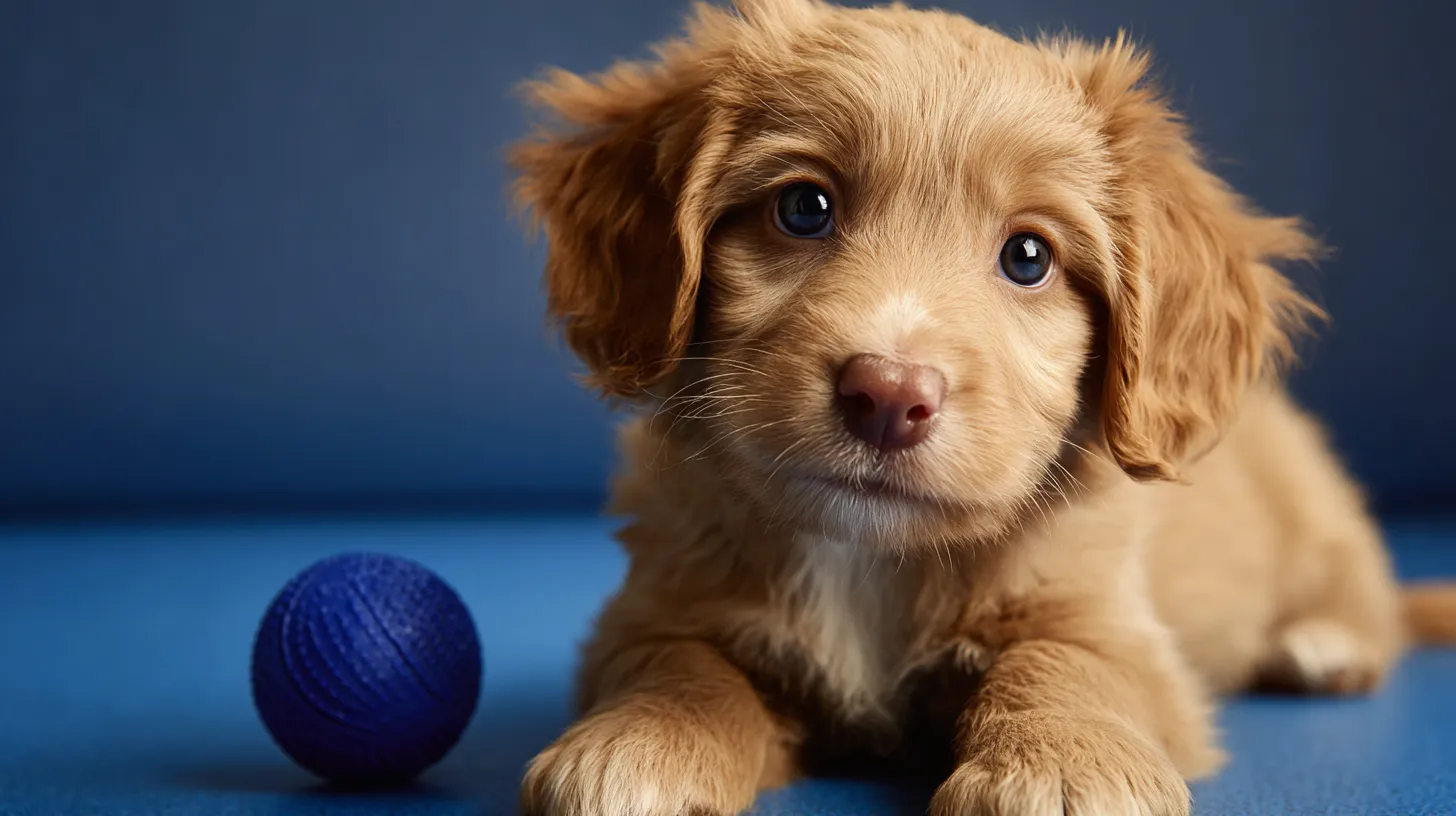
Core Principles of Modern Puppy Training
- Reward what you like: Mark and treat the exact behavior (quiet, sit, eye contact) the moment it happens.
- Prevent mistakes: Use leashes, baby gates, tethers, and crates to manage the environment.
- Keep sessions short: Puppies learn best in 60–180 second bursts, 3–10 times per day.
- Progress one step at a time: Change just one thing (distance, duration, or distraction) before making training harder.
- Be consistent: Everyone in the home uses the same cues and rules.
New to pet care? Start with Puppy Care 101: Essential Tips for First-Time Dog Owners and build your foundation.
Crate Training: Your Puppy’s Safe Den
A crate speeds up potty training, protects your belongings, and gives your puppy a stress-free place to rest. It should be just big enough to stand, turn, and lie down.
Crate Training in 5 Easy Steps
- Make it positive: Toss treats into the crate; let the puppy choose to enter.
- Feed meals inside: Bowl at the front for day 1–2, then move it toward the back.
- Close door briefly: 10–30 seconds while pup eats; open before whining starts.
- Build duration: Add 30–60 seconds at a time up to 10–15 minutes, then 30–60 minutes with chews.
- Use calming chews: Stuffed Kongs or safe long-lasting chews to create happy associations.
Chewing eases sore gums and reduces frustration—see Best Toys and Chews for Teething Puppies.
Potty Training: 3-Part Routine
Success relies on timing, supervision, and rewards. Take your puppy to the same outdoor spot on leash and reward within 2 seconds of finishing.
- Schedule: First thing in the morning, after naps, after play, after meals, and every 1–2 hours.
- Supervise: If you can’t watch, crate or tether to you.
- Celebrate: Quiet “Yes!” + treat party at the potty spot, then a short sniffy walk.
For a full, fast plan, use How to Potty Train Your Puppy Fast.
Accident-Proof House Plan
- Roll up rugs for 2–4 weeks; they feel like grass to puppies.
- Use an enzyme cleaner; standard cleaners leave tempting scent behind.
- Interrupt kindly (clap once), guide outside, reward outdoors; never punish.
Puppy Sleep & Daily Rhythm
Overtired puppies nip more and listen less. Most need 16–20 hours of sleep in a 24-hour period. Balance training with naps and calm enrichment.
| Age | Awake Window | Nap Need | Potty Interval |
|---|---|---|---|
| 8–12 weeks | 45–90 min | Very frequent | Every 60–90 min |
| 3–4 months | 1–2 hours | Frequent | Every 2 hours |
| 5–6 months | 2–3 hours | Regular | Every 3–4 hours |
More on healthy rest: Puppy Sleep Schedule: How Much Sleep Do Puppies Need?
The 7 Essential Cues (and Exactly How to Teach Them)
Use a reward marker (“Yes!” or a clicker), then deliver a pea-sized treat. Train in quiet first, then add difficulty gradually.
1) Name Response (Check-In)
Say the name once → when pup glances at you, mark and treat. Repeat 5–10 times, then add distractions.
2) Sit
Lift a treat from nose to forehead. The moment hips touch, mark + treat. Fade the lure after a few reps.
3) Down
From sit, lure to ground between paws; when elbows touch, mark + treat. Build duration (1–3–5 seconds).
4) Touch (Hand Target)
Present palm 1–2 inches from nose; when it boops your hand, mark + treat. Great for redirection on walks.
5) Drop (Trade)
Offer a higher-value treat near the item; when pup releases, mark + treat, then offer the item back sometimes.
6) Leave It
Cover a treat in your fist. Pup sniffs/paws? Wait. The moment they back off or make eye contact, mark + treat from your other hand.
7) Come (Recall)
Start indoors: say “Come!” once, run backwards, mark + jackpot treat when pup reaches you. Add a light long line outside.
Lock in good habits by avoiding common pitfalls: 10 Common Puppy Mistakes Every New Dog Owner Should Avoid.
Leash Skills Without Pulling
- Reinforce position: Feed at your left thigh for a loose leash “anchor point.”
- Be a tree: If the leash tightens, stop. When the leash slackens, move and reward.
- Pattern games: “Three steps, treat,” then “five steps, treat,” gradually expanding.
Socialization: 100 Tiny, Positive Experiences
Between 8–16 weeks (and beyond), gently expose your puppy to people, surfaces, sounds, and handling. Keep sessions short and fun—curiosity, never fear. Pair each novelty with food and distance that keeps your pup relaxed.
- People: hats, beards, canes, kids at a distance
- Places: vet lobby, car wash, elevator, sidewalk café
- Surfaces: metal grates, mulch, wobble boards, tarps
- Sounds: doorbells, blenders, traffic (played softly at first)
- Handling: paws, ears, collar grabs, gentle restraint with snacks
Use the step-by-step plan in How to Socialize a Puppy and keep vaccinations on schedule with Puppy Vaccination Schedule Guide.
Chewing, Biting & Nipping: Train Mouth Manners
Puppies explore with their mouths—especially during teething (3–6 months). Channel the need to chew and teach bite inhibition.
Prevent & Replace
- Rotate 3–5 safe chews daily; freeze rubber toys with wet food for relief.
- Practice “Drop” and “Leave it” in calm rooms first.
- End rough play at the first hard nip; offer a tug toy instead.
Get rapid-fix drills in Stop Puppy Biting Fast and pair with best teething toys.
Sample 24-Hour Puppy Training Schedule
| Time | Activity | Notes |
|---|---|---|
| 7:00 | Potty + breakfast | Hand-feed 10–20 treats for “Sit” & name response |
| 8:00 | Nap (crate) | Chew toy in crate |
| 9:00 | Potty + 2-min recall game | Long line in yard |
| 12:00 | Lunch + leash practice | “Three steps, treat” pattern |
| 15:00 | Socialization field trip | Short, positive, treat-rich |
| 18:00 | Dinner + enrichment | Snuffle mat / food puzzle |
| 21:00 | Calm training + potty | Mat relax, gentle pets |
Common Problems & Quick Fixes
| Problem | Why It Happens | What to Do |
|---|---|---|
| Accidents indoors | Too much freedom, missed signals | Reset schedule, supervise, enzyme clean; reward outside |
| Leash pulling | Forging gets them places faster | Be a tree; reward at heel; short structured sessions |
| Nipping at kids | Over-arousal, fatigue | More naps; swap to tug toy; teach “Touch” & “Sit to say hi” |
| Barking in crate | Progress jumped too fast | Back up a step; stuffable chew; cover one side of crate |
Nutrition, Health & Energy Management
Food impacts focus and stamina. Choose balanced diets and schedule training when your puppy is hungry but not starving—usually 30–60 minutes before meals. If food isn’t motivating, use a portion of dinner as training treats. See Best Puppy Food for Growth and Healthy Development and broader advice in Top Nutrition Tips for Pets.
Safety, Vaccines & Social Outings
Balance safe exposure with disease prevention by visiting cleaner, low-traffic spaces until vaccines are complete. Follow your vet’s plan and this vaccination schedule guide. Pair outings with treats to build optimistic associations.
Build Lifelong Good Habits
- Continue 5–10 minutes of training daily even after “they get it.”
- Upgrade rewards in tougher places (park, patio, pet store).
- Keep learning with structured resources and avoid common errors: 10 Common Pet Care Mistakes.
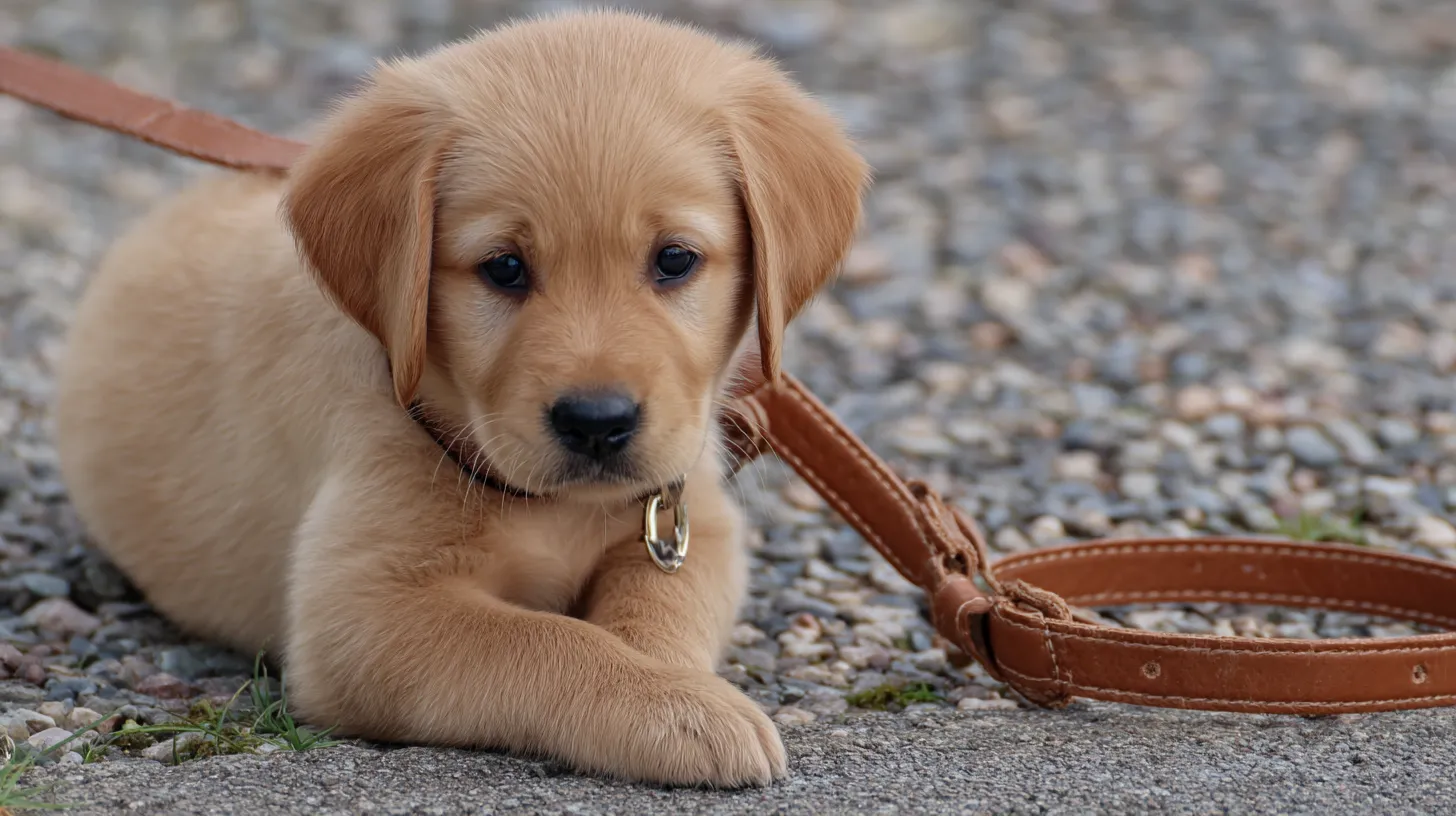
Helpful Internal Guides to Deepen Training
- Stop Puppy Biting Fast
- How to Socialize a Puppy
- Puppy Sleep Schedule
- Potty Train Your Puppy Fast
- Puppy Care 101
Expert, Vet-Forward External Resources
- AVSAB position statements on socialization & training
- AAHA puppy care & preventive guidelines
- AKC training library and beginner exercises
FAQ
How long will house training take?
With tight management and consistent rewards, most puppies are reliable in 2–6 weeks. Small breeds can take longer due to smaller bladders.
What treats should I use?
Use soft, pea-sized treats your puppy adores (boiled chicken, commercial soft trainers). For value hierarchy: kibble < soft treats < tiny meat bits.
How many sessions per day?
Five to ten micro-sessions (1–3 minutes) fit naturally around potty breaks and meals and keep learning fun.
For full-spectrum care beyond training, explore: Ultimate Guide to Pet Care, Daily Pet Care Routine, and Best Grooming Tips for Dogs and Cats.