Optimal Time to Spay or Neuter Your Kitten: Full Guide & Key Benefits
Meta Description: Learn the best age to spay or neuter your kitten, the health and behavioral benefits, and what to expect before and after the procedure.
Spaying or neutering your kitten is one of the most important decisions you’ll make as a pet owner. It not only helps control the feline population but also contributes significantly to your kitten’s health, longevity, and behavior. In this guide, we’ll explore the ideal time for the procedure, its benefits, recovery tips, and common misconceptions, backed by expert veterinary advice and real-world experiences.
Understanding What Spaying and Neutering Mean
Before diving into timing, it’s essential to understand what these terms mean:
- Spaying: Surgical removal of the ovaries and uterus in female kittens to prevent pregnancy.
- Neutering: Surgical removal of the testicles in male kittens to stop reproduction and reduce hormone-driven behaviors.
Both procedures are safe, routine, and performed under anesthesia by licensed veterinarians. To prepare for the surgery, ensure your kitten has had a thorough health check and all vaccinations are up to date. For more detailed pre-surgery care steps, visit the Ultimate Kitten Care Guide.
Best Age to Spay or Neuter a Kitten
According to veterinary experts, the ideal time to spay or neuter your kitten is between 4 to 6 months of age. However, recent studies suggest early-age spaying (as young as 8 weeks) can also be safe under proper medical supervision.
| Kitten Age | Recommended Procedure | Notes |
|---|---|---|
| 8–12 Weeks | Possible (for shelter programs) | Requires specialized vet care |
| 4–6 Months | Ideal timing | Minimizes hormonal behaviors and risks |
| 6+ Months | Still safe | Some behavioral habits may persist |
Discuss your kitten’s specific needs with your vet to determine the optimal timing. Each kitten’s development varies depending on breed, health, and environment.
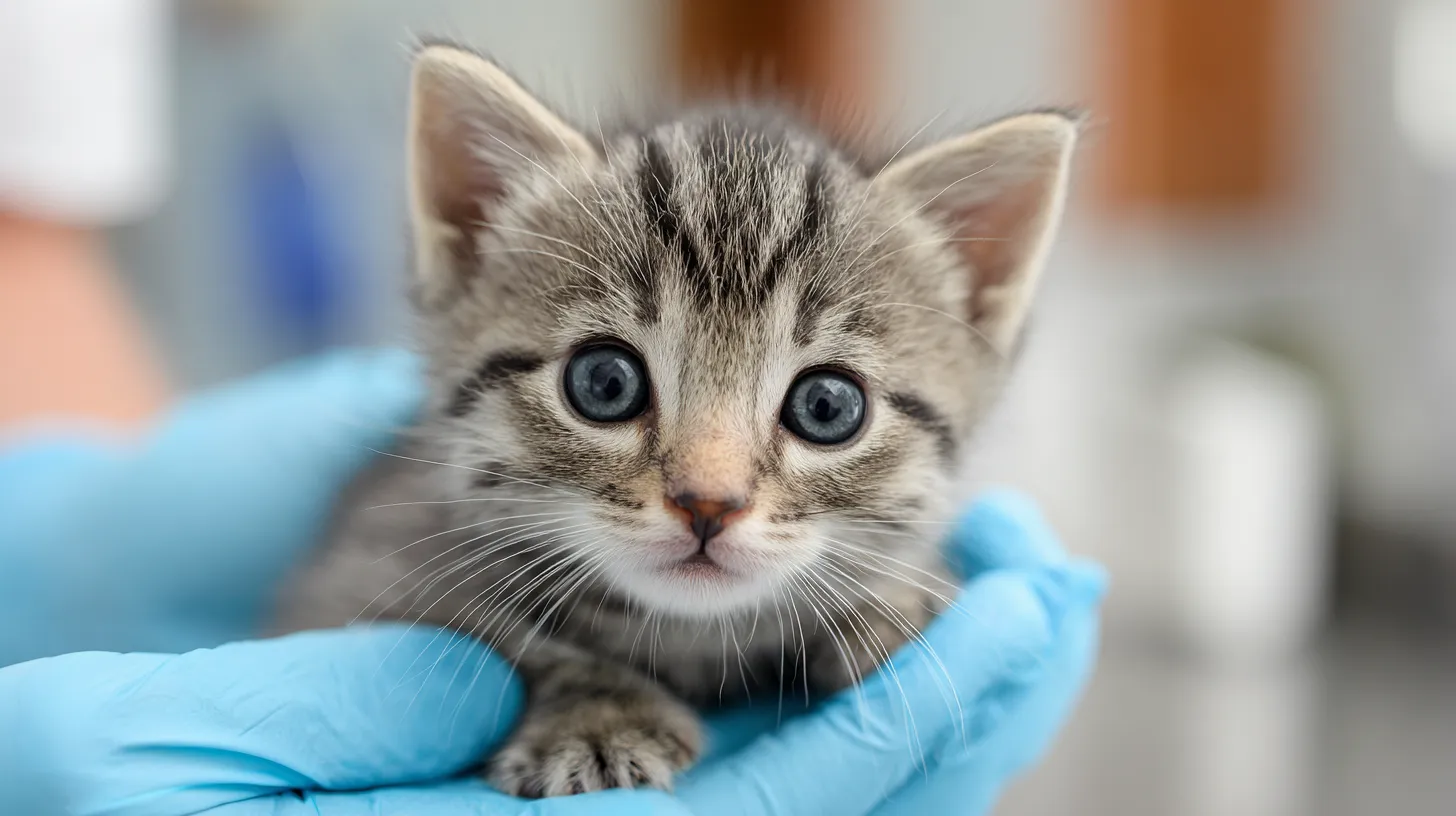
Health Benefits of Spaying and Neutering
Beyond population control, the procedure has remarkable health advantages:
- Prevents reproductive diseases: Reduces risk of uterine infections, ovarian cysts, and mammary tumors in females.
- Prevents testicular cancer: Eliminates the risk in males by removing the testicles.
- Reduces marking and roaming: Neutered males are less likely to spray urine or wander far from home.
- Improves temperament: Spayed or neutered kittens often become calmer and more affectionate.
For nutrition and recovery support after surgery, check out Best Kitten Food & Nutrition Guide for optimal post-surgery diets.
Behavioral Benefits and Long-Term Impact
Many pet owners notice a positive shift in behavior within weeks after spaying or neutering. Common improvements include:
- Less aggression toward other cats.
- Reduced tendency to bite or scratch excessively.
- Fewer nighttime meows and attempts to escape.
If your kitten still displays unwanted habits like biting, read Dealing with Kitten Biting & Scratching for effective training tips.
Preparation Before the Surgery
Checklist to Follow
- Ensure your kitten has fasted 8–12 hours before surgery (ask your vet for specific guidelines).
- Provide a quiet, stress-free environment before the visit.
- Use a safe carrier and keep your kitten warm during transport.
- Confirm that your vet uses pain management and post-op monitoring.
For essential preparation items, explore New Kitten Essentials Checklist.
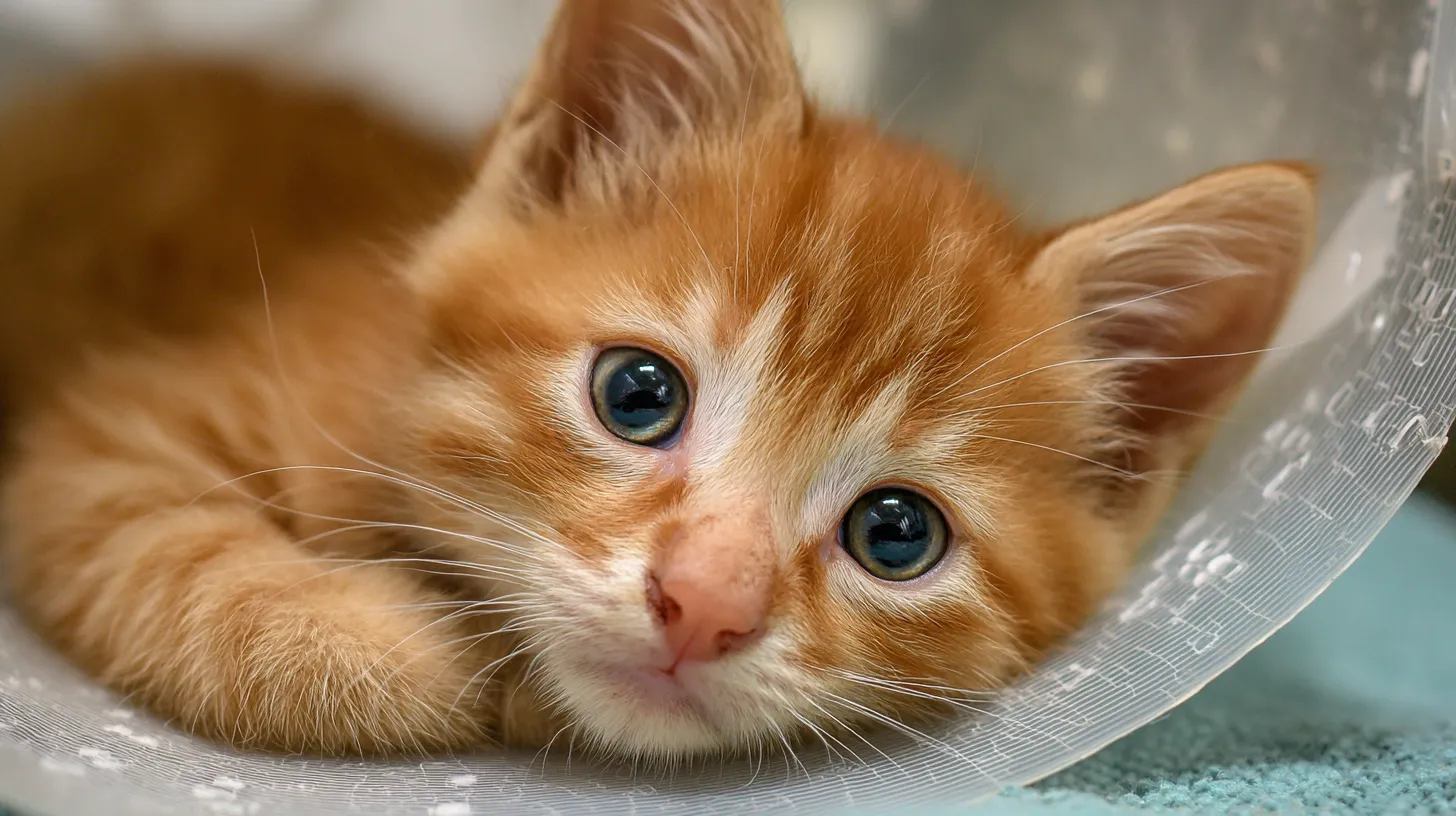
Aftercare and Recovery Tips
Post-surgery care is vital for your kitten’s smooth recovery. Most kittens bounce back within 24–72 hours. Here are key recovery tips:
- Keep your kitten in a calm, clean area away from other pets.
- Monitor the incision daily for swelling or redness.
- Prevent licking by using a soft e-collar if necessary.
- Offer small meals and water gradually.
If you notice unusual lethargy, fever, or loss of appetite, contact your veterinarian immediately. You can also reference Common Kitten Health Problems to identify symptoms early.
Myths About Spaying and Neutering
Myth 1: My kitten should have one litter before spaying.
Fact: There are no proven health benefits to allowing your kitten to have a litter before being spayed. In fact, early spaying reduces risks of cancers and infections.
Myth 2: Neutering changes a cat’s personality completely.
Fact: The procedure calms hormonal behaviors but doesn’t alter your kitten’s loving personality.
Myth 3: Indoor cats don’t need it.
Fact: Indoor cats can still experience heat cycles or display marking behaviors. Spaying and neutering improve overall comfort and hygiene.
Helping Your Kitten Adjust
After surgery, kittens might feel tired or slightly disoriented. Ensure they have a soft, warm bed and stay hydrated. To encourage gentle play and prevent stress, follow tips in How to Socialize a Kitten.
Conclusion: A Healthier, Happier Future for Your Kitten
Spaying or neutering your kitten is a loving, responsible decision that ensures long-term health, better behavior, and fewer risks. Timing it right — ideally between 4 and 6 months — provides maximum benefits. Consult your vet, prepare properly, and give your furry companion a smooth recovery journey. For more comprehensive resources on kitten care, visit FURXIE.COM.