Aggressive Dog Training: Safe, Humane Steps
Meta Description: Evidence-based, humane plan to manage and retrain aggressive dog behavior—safely. Learn triggers, thresholds, safety gear, and when to call a pro.
Living with a dog who growls, snaps, or bites can feel overwhelming—and scary. The good news: with a safety-first plan, consistent management, and reward-based behavior modification, many dogs can improve significantly. This guide shows you how to work humanely and effectively on aggression using desensitization and counter-conditioning (DS/CC), reinforce calm choices, lower stress, and know when to bring in a certified professional.
Start Here: What Counts as Aggression?
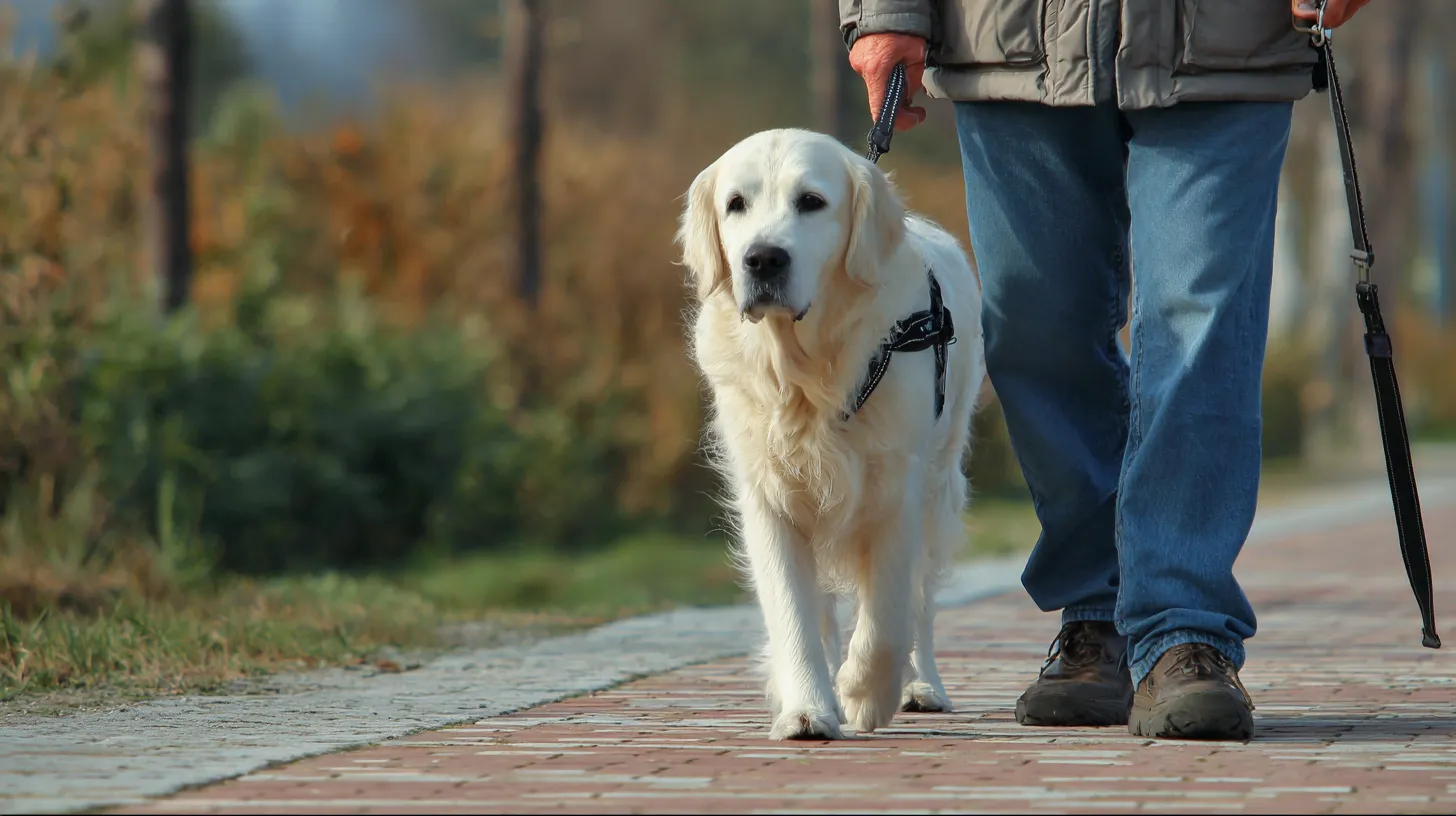
Aggression is behavior intended to increase distance—think growling, lunging, snapping, or biting. It can be rooted in fear, pain, frustration, territoriality, resource guarding, or poor social skills. Labels like “dominant” rarely help; instead, identify the function and triggers so you can change the underlying emotion and the dog’s prediction about what happens near that trigger.
For foundational, reward-based approaches endorsed by veterinary behavior experts, see the AVSAB position statements and the IAABC behavior resources. If barking is part of your dog’s reactivity, pair this article with Stop Dog Barking Fast: Proven Methods.
Non-Negotiables: Safety, Vet Check, and Management
Immediate Safety Checklist
- Veterinary exam to rule out pain, endocrine issues, or neurological causes. Pain is a top driver of sudden aggression.
- Basket muzzle conditioning (not cloth): allows panting and treat delivery. Follow a cheerful, gradual plan; see IAABC tutorials.
- Two-point control for strong lungers: front-clip harness + leash attached to belt or second point.
- Predictable routines for sleep, exercise, enrichment, and decompression walks.
- Environment management: baby gates, window film, privacy fencing, covered crates; learn calm crating with Crate Train Your Puppy.
Risk Triage: Train Only in the Green
| Zone | What You See | What You Do | Goal |
|---|---|---|---|
| Green (Under Threshold) | Soft body, normal breathing, able to take food | Train: DS/CC, mark calm choices | Build positive associations |
| Yellow (Approaching Threshold) | Stiffening, closed mouth, scanning | Increase distance, reset, then train | Return to green before working |
| Red (Over Threshold) | Lunge, bark, snap, bite | Exit calmly; do not train here | Protect safety; prevent rehearsal |
Read the Room: Early Warning Signs
Most dogs warn long before a bite. Catching these signals early lets you change the picture before things escalate.
- Head turn, whale eye, pinned ears
- Body freeze, weight shift forward, tail high and still
- Closed mouth, lip lift, low growl
When you spot early signs, add distance, turn away, or place a visual barrier. Then train again in Green Zone conditions.
Core Method: Desensitization & Counter-Conditioning (DS/CC)
DS/CC changes how your dog feels about a trigger. We keep intensity low enough that your dog is relaxed while pairing the trigger with top-tier rewards. Over time, the trigger predicts good things, and your dog learns alternative behaviors.
DS/CC Step-By-Step
- Define the trigger precisely (men with hats, dogs within 20 ft, handling paws, guarding the couch).
- Find threshold distance where your dog notices but stays relaxed and eating.
- Pair trigger → reward: Trigger appears → say “Yes!” or click → deliver high-value food. Trigger disappears → food stops.
- Add a simple behavior (look at you, hand target, step onto mat) while the trigger is present at sub-threshold levels.
- Close distance gradually or increase difficulty in tiny steps across sessions.
New to markers? See Clicker Training for Dogs (Easy Guide). For general manners that support aggression rehab, use Dog Obedience Training: Sit, Stay, Come and the Puppy Training at Home routines (applicable to adults, too).
Sample Plans by Aggression Type
Leash Reactivity (Dogs or People)
- Management: Walk at off-hours, use visual barriers (parked cars, hedges), pick routes with space.
- Training Game—Look at That: Dog glances at trigger → mark → feed. Over time, glances become calm check-ins with you.
- Heel windows: Reinforce 2–3 steps of loose leash, then release to sniff as a life reward.
Resource Guarding (Food, Toys, Spaces)
- Management: Feed behind a gate; no reaching into bowls; trade up rather than “grab and go.”
- Training: Approach → toss better treat → retreat. Repeat until your approach predicts upgrades. Progress to brief bowl touch only after many calm reps.
- Safety: Do not test with real theft scenarios. Use staged setups with leashed or contained dog.
Handling Sensitivity (Grooming/Vet/Children)
- Cooperative care: Teach a chin-rest target. Dog places chin and earns treatment; removes chin to pause.
- Micro-steps: Look at brush → treat; brush touches shoulder → treat; one gentle stroke → treat. Stop below threshold.
- Pair with calm hygiene routines and tools from Best Grooming Tips.
Weekly Progression Template
| Week | Focus | Success Target | Notes |
|---|---|---|---|
| 1 | Safety gear + management | Muzzle happily worn 3–5 min; gated feeding | Condition muzzle with treats and play |
| 2 | DS/CC at long distance | 10 calm “look → treat” reps per session | Two 3-min sessions daily |
| 3 | Add alternate behavior (mat/heel) | 5 “trigger present → on mat” successes | Keep under threshold |
| 4 | Close distance slightly / add easy distractions | Calm body, loose leash, engaged eating | Skip a step if stress shows; go easier |
Reinforcement Strategy: From Food to Real-Life Rewards
- Stage 1: Continuous reinforcement for every correct response.
- Stage 2: Variable schedule; mix food, play, sniff breaks, access to space.
- Stage 3: Life rewards for brave choices (looking away from a trigger, turning back to you).
Need help setting a daily rhythm that lowers arousal? Use the Daily Pet Care Routine and check for health friction points in Common Pet Care Mistakes and Senior Pet Care if your dog is older.
Prevent Trigger Stacking
Multiple stressors in a short window can turn a manageable dog into a powder keg. Track sleep, visitors, weather, and exercise. If your dog already had a tough morning (delivery vans, vet visit), skip the busy park that afternoon.
When to Call a Professional (and Who)
- Call now if there was a bite that broke skin, if you have children in the home, or if triggers are frequent and unavoidable.
- Look for IAABC (behavior consultants), ACVB (veterinary behaviorists), or CCPDT credentials and reward-based methods.
- Start here: Find Best Local Dog Trainer Nearby.
Related Furxie Guides to Pair with This Plan
- Stop Dog Barking Fast: Proven Methods
- Puppy Training at Home: Complete Guide
- Potty Train Your Puppy Fast (Step-by-Step)
- Clicker Training for Dogs (Easy Guide)
- Dog Obedience Training: Sit, Stay, Come
Trusted External Resources
- AVSAB: Reward-Based Training Statements
- APDT: Trainer Resource Center
- RSPCA: Common Behavior Problems
FAQ: Aggressive Dog Training
Can aggression be cured?
Behavior is fluid, not a switch. Many dogs reach safe, reliable management with excellent improvement, but you should expect lifelong maintenance and smart prevention.
Are e-collars or harsh corrections faster?
Punishment can suppress signals and increase risk. Veterinary behavior bodies recommend reward-based methods for better outcomes and fewer side effects (see AVSAB above).
How long until I see progress?
Some dogs relax in weeks; complex cases may take months. Progress depends on history, genetics, health, and consistency. If you’re stuck, consult a credentialed pro.
Official site: Furxie.com